
Microsoft Office Subscriptions Push Millions Toward Free Productivity Alternatives
For years, buying Microsoft Office meant paying a flat fee once and using that software indefinitely. Today, continuous software fees have replaced those timeless standalone licenses, leaving consumers frustrated by mandatory monthly charges. Instead of accepting expensive recurring fees, savvy computer users are looking toward free software suites that offer all the essential writing, spreadsheet, and presentation tools without the corporate catch.
Ever since the debut of Office 2013, the tech giant has aggressively marketed its cloud-connected plans as the default choice. Although standalone editions like Office Home 2024 remain available for a hefty $180 price tag, they are restricted to a single machine. Meanwhile, family plans bundle appealing cloud storage perks, but force users to pay for unwanted artificial intelligence utilities embedded directly into the workspace.
Office Online Delivers Quick Browser Editing for Casual Tasks
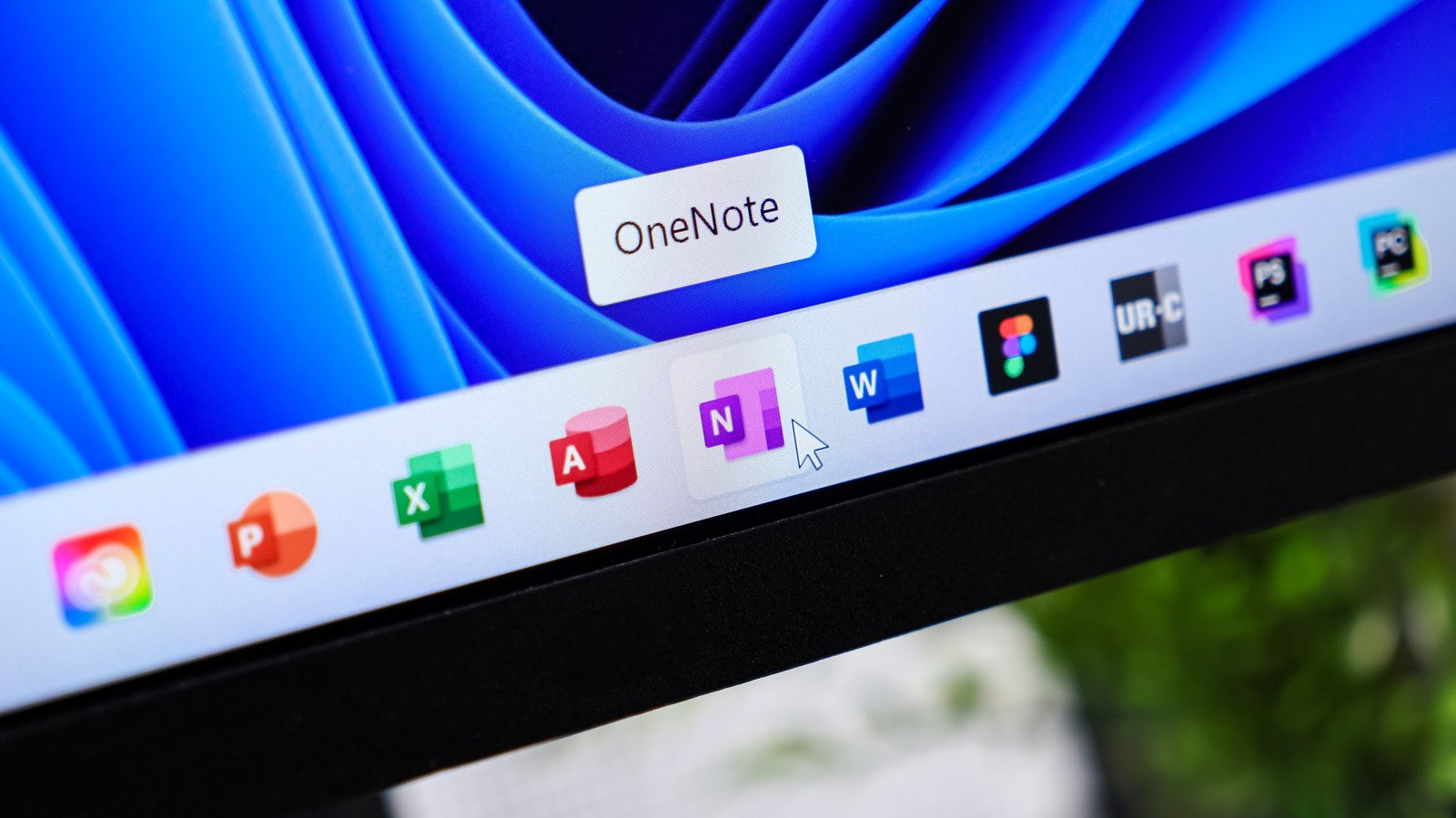
If you prefer staying within the familiar ecosystem without spending money, Office Online serves as a convenient browser-based solution. By logging into any personal account, individuals instantly gain access to stripped-down web versions of standard programs like Word, Excel, PowerPoint, and OneNote. These free applications handle everyday reporting and quick document collaboration quite well.
- Provides real-time co-authoring for fast team projects.
- Maintains layout compatibility with standard desktop software.
- Includes web-friendly variants of OneNote, Forms, and To Do.
However, browser tools have noticeable limits. Because these applications require a continuous internet connection, editing offline becomes remarkably difficult. Furthermore, complex spreadsheets featuring extensive macros or massive datasets will frequently cause performance bottlenecks inside web browsers.
OnlyOffice Provides a Powerful Local Desktop Experience
For individuals seeking a robust standalone application, OnlyOffice offers an impressive offline workspace that mirrors traditional software layouts. This open suite groups text documents, spreadsheets, presentations, and PDF readers into a cohesive tabbed interface. Because it natively saves files in standard formats like DOCX and XLSX, users never have to stress about formatting errors or broken layout structures when sharing files with colleagues.
Although subscription models dominate modern software markets, consumers refuse to stay trapped in endless billing cycles. By embracing robust web tools or capable offline apps, anyone can manage daily administrative workloads efficiently while keeping their hard-earned money securely in their pockets.
Microsoft Office Market Impact and Industry Significance
The introduction of Microsoft Office represents a pivotal shift in modern technological adoption across enterprise and consumer sectors alike. Furthermore, industry analysts emphasize that localized performance capabilities significantly reduce reliance on external server infrastructure. Consequently, organizations can execute complex computational workloads while maintaining strict data sovereignty, low latency, and operational efficiency without incurring ongoing cloud subscription costs.
Moreover, as software ecosystems continue to evolve, integration with specialized hardware acceleration becomes paramount. Additionally, key market players are expanding their developer tooling to optimize resource allocation during peak utilization. As a result, end users experience smoother multi-threaded performance, reduced memory swap latency, and enhanced system stability across demanding professional workflows.
Performance Benchmarks and Practical Microsoft Office Scenarios
In real-world deployment scenarios, evaluating sustained throughput and thermal efficiency is essential for technical decision-makers. Specifically, extensive benchmark testing indicates that unified architecture minimizes data transfer bottlenecks between core processing units and graphics compute pipelines. Therefore, demanding tasks operate with minimal compute overhead.
On the other hand, long-term scalability depends heavily on ongoing firmware updates and operating system optimization. Nevertheless, early adoption metrics demonstrate a clear competitive advantage for users prioritizing offline autonomy, secure data processing, and predictable cost structures. Ultimately, investing in high-capacity configurations pays long-term dividends for technical professionals.