
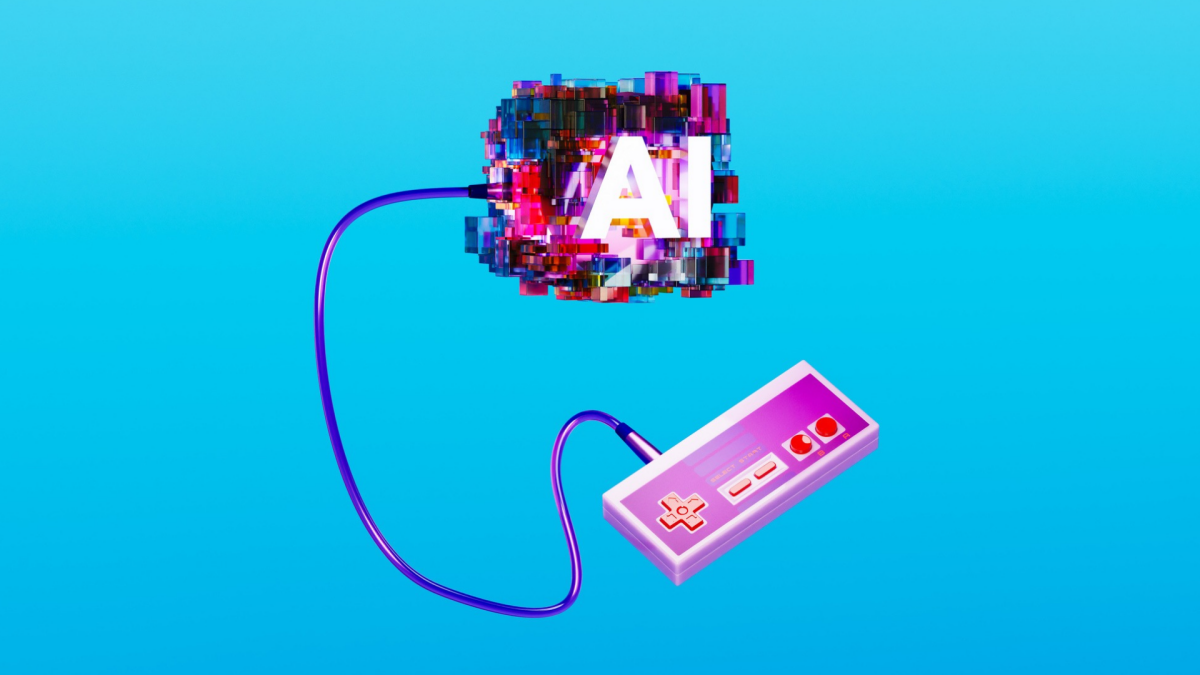
Anthropic Imposes Strict Limits on Video Game Reverse Engineering
Major artificial intelligence labs are shifting their policies as copyright lawsuits escalate. According to recent reports, Anthropic has quietly updated its guardrails to restrict video game reverse engineering, decompiling, and modding tasks through its flagship assistant. Because developers have increasingly relied on large language models to analyze complex source code, major tech firms are suddenly facing intense legal pressure from intellectual property holders.
This policy pivot arrives at a turbulent time for the gaming sector. Major leaks and unauthorized source code distributions have gone viral recently, prompting aggressive legal responses from major publishers like Take-Two Interactive. Meanwhile, independent modders discovered that advanced AI systems could drastically accelerate the process of porting classic titles into modern web browsers without developer consent.
Video Game Reverse Engineering: The Growing Collision Between AI and Software Copyright
For months, the hacking community utilized conversational models to streamline tedious debugging tasks. While this democratization of coding enabled creative crossover projects—such as importing classic characters into entirely different virtual worlds—it also laid bare the vulnerabilities of proprietary source code. The situation escalated further following recent hardware jailbreaks that allowed older console games to run smoothly on modern systems.
Although these developments thrilled hobbyists, they created an absolute nightmare for legal departments.
- Anthropic restricts code decompilation tasks.
- Publishers issue subpoenas over source leaks.
- Modding communities face tightening AI guardrails.
- Hardware jailbreaks test platform security.
That said, critics are quick to point out the glaring hypocrisy within the tech industry. As Tom’s Hardware noted, frontier AI companies built massive training datasets by scraping public art and information without explicit permission. Now, those same corporations are aggressively enforcing copyright protocols when their tools touch proprietary software code.
What This Means for Developers and Hobbyists
In terms of Video Game Reverse Engineering, Because prominent models are tightening their restrictions, bad actors will likely seek out alternative language models that lack similar ethical guardrails. This dynamic risks triggering an unregulated AI arms race where the least restricted models capture the most users. For everyday hobbyists interested in safe, ethical homebrew development, these sudden clampdowns signal the end of easy AI-assisted code analysis.