
Flash floods Disrupt Critical Infrastructure and Homes
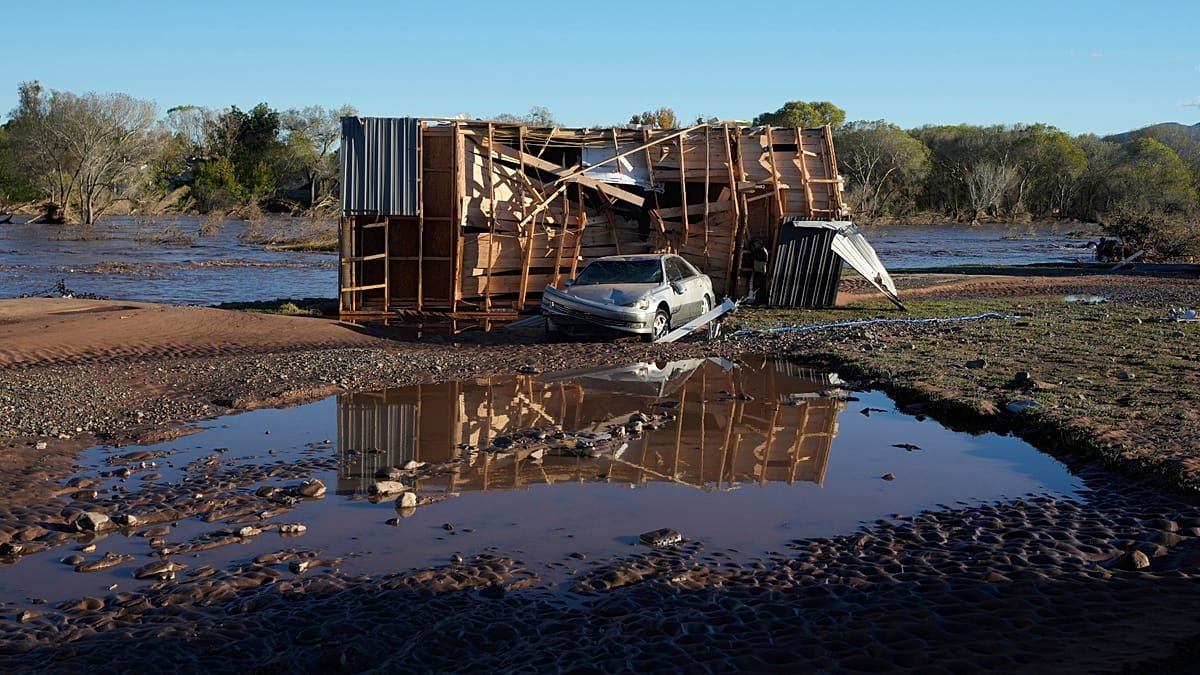
Severe Flash floods have torn through the United States Southwest, leaving a trail of destruction that has forced hundreds to evacuate their homes. As of November 2, heavy rainfall triggered catastrophic water levels across the Four Corners region, where Arizona, Colorado, New Mexico, and Utah intersect. Aerial footage confirms that infrastructure, including residential streets and local fields, remains submerged under deep, muddy water.
In Arboles, Colorado, the impact of these Flash floods proved particularly devastating, with motorhomes, private vehicles, and entire structures swept away by the current. Meanwhile, in Camp Verde, Arizona, local residents were forced to scramble for higher ground as water levels rapidly rose around a vulnerable RV park. Rescue operations, including urgent helicopter extractions, have been ongoing throughout the week to reach those stranded by the surging waters.
The Human and Economic Cost of Current Flash floods
Tragically, authorities have confirmed at least one fatality, with police investigating a second death potentially linked to the severe weather. The San Juan River reached a perilous height of 16.81 feet before beginning to recede, providing a small measure of relief to the town of Durango. Although the intense rainfall has slightly bolstered local reservoirs, which have struggled through years of prolonged drought, the immediate cost of the Flash floods remains high.
In Durango, approximately 200 residents mobilized on Monday to begin the grueling task of clearing thick mud and debris from their properties. The recovery process is expected to take weeks, as local officials assess the damage to roads and utility lines. While the water levels have started to drop in some areas, the threat from Flash floods persists as saturated ground remains unable to absorb further precipitation.
What This Means for Infrastructure Resilience
- At least 1 confirmed fatality linked to the disaster.
- San Juan River crested at 16.81 feet.
- Hundreds of residents forced into emergency evacuations.
- Significant debris clearance underway in Durango, Colorado.
The Bottom Line: While these Flash floods have provided a temporary boost to regional water storage, the catastrophic damage to homes and transportation networks highlights the vulnerability of the Four Corners region to extreme weather. As recovery efforts continue, local governments must weigh the necessity of water collection against the growing risks posed by Flash floods that threaten the safety of residents and the stability of local infrastructure.
For full official background and direct documentation, read the source coverage on Euronews.com Reporting.