
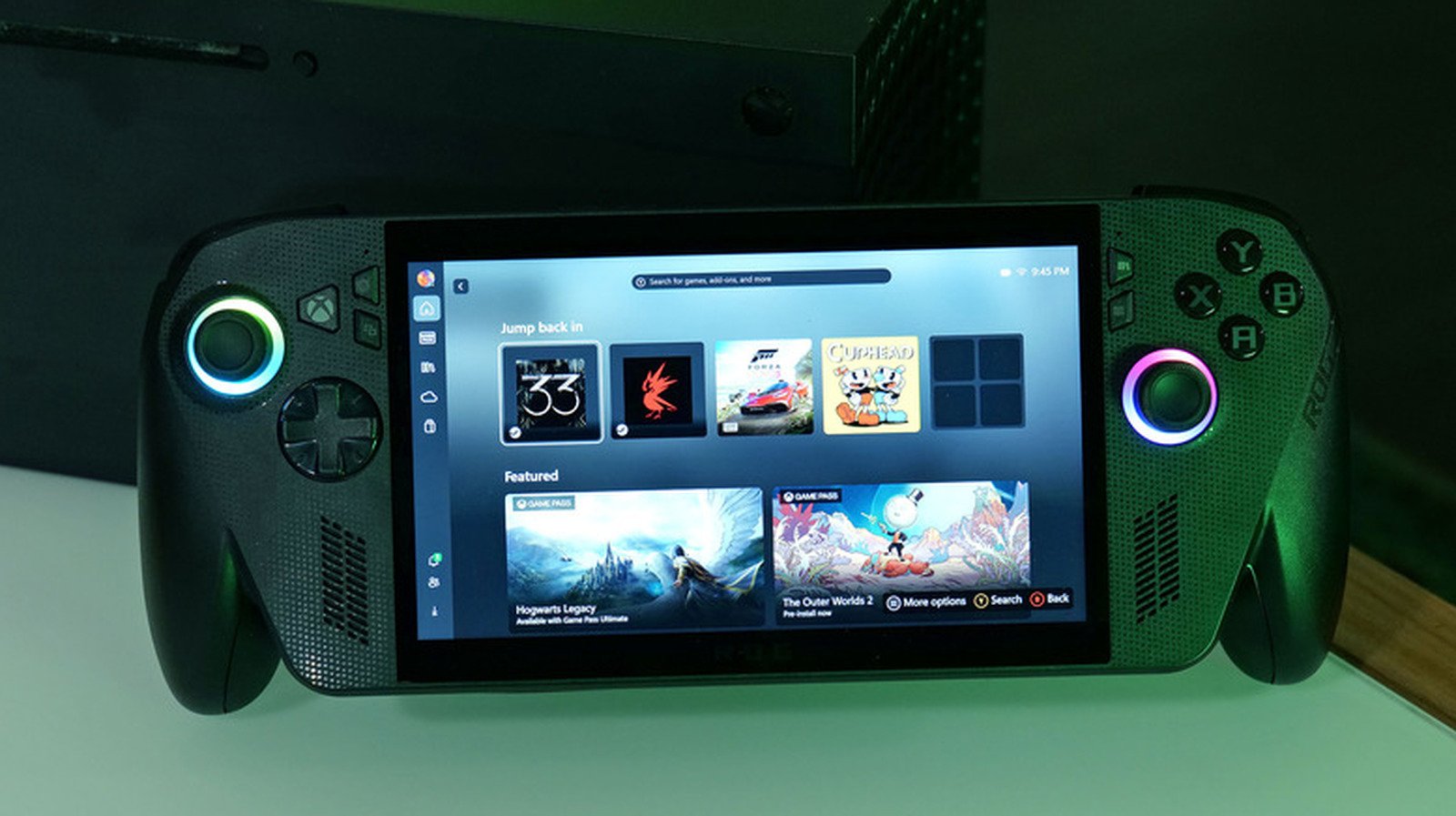
Microsoft Deploys Automatic Super Resolution on Ally X
Microsoft has officially rolled out Automatic Super Resolution to the ROG Ally X, marking a significant step in the company’s efforts to compete with industry-standard upscaling tools. While previously limited to a testing phase, this technology now arrives for all users, including those on the ROG Ally X20 and select Windows Copilot+ PCs equipped with AMD Ryzen processors.
Automatic Super Resolution: Expanding Beyond the Docked Experience
The original vision for this upscaling tech was to provide 1440p-like detail for users playing on larger screens. However, due to high demand, Microsoft has extended support for Automatic Super Resolution to handheld mode. This functionality allows the console to smooth out demanding titles that might otherwise feel choppy during portable play. According to official announcements, the system is designed to intelligently upscale resolution, providing a sharper image without requiring manual adjustments.
Refining Performance and Visual Quality
Previously, users were required to manually lower game resolutions for the software to engage, but the official version of Automatic Super Resolution now defaults to 1080p. While the company notes that handheld performance may vary compared to docked configurations, the visual benefits for older games remain substantial. Furthermore, the update introduces a new performance mode capable of hitting 120 fps, a notable jump from the previous 60 to 75 fps limit.
Key Hardware Performance Improvements
- Official support for both handheld and docked play modes.
- New Performance Mode targeting up to 120 fps for competitive titles.
- Expanded compatibility for Windows Copilot+ PCs with AMD Ryzen.
- Integration of HDR visual support in upcoming system updates.
What This Means for Handheld Gamers
The inclusion of Automatic Super Resolution represents a direct challenge to NVIDIA’s DLSS, which has long set the benchmark for AI-driven upscaling. By bringing these features to the handheld market, Microsoft is attempting to bridge the gap between portable convenience and desktop-grade visual fidelity. For gamers, this means faster frame rates and clearer images in fast-paced shooters and graphically demanding titles.
The Bottom Line
As Microsoft continues to refine Automatic Super Resolution, the focus remains on optimizing the mobile experience for ASUS console owners. Although some configurations may not offer peak performance, the ability to toggle high-fidelity settings on the go provides a clear advantage over previous iterations. As HDR support and further performance updates arrive, the platform is poised to become a more capable competitor in the high-end gaming hardware space.
For full official background and direct documentation, read the source coverage on Engadget.com Reporting.