
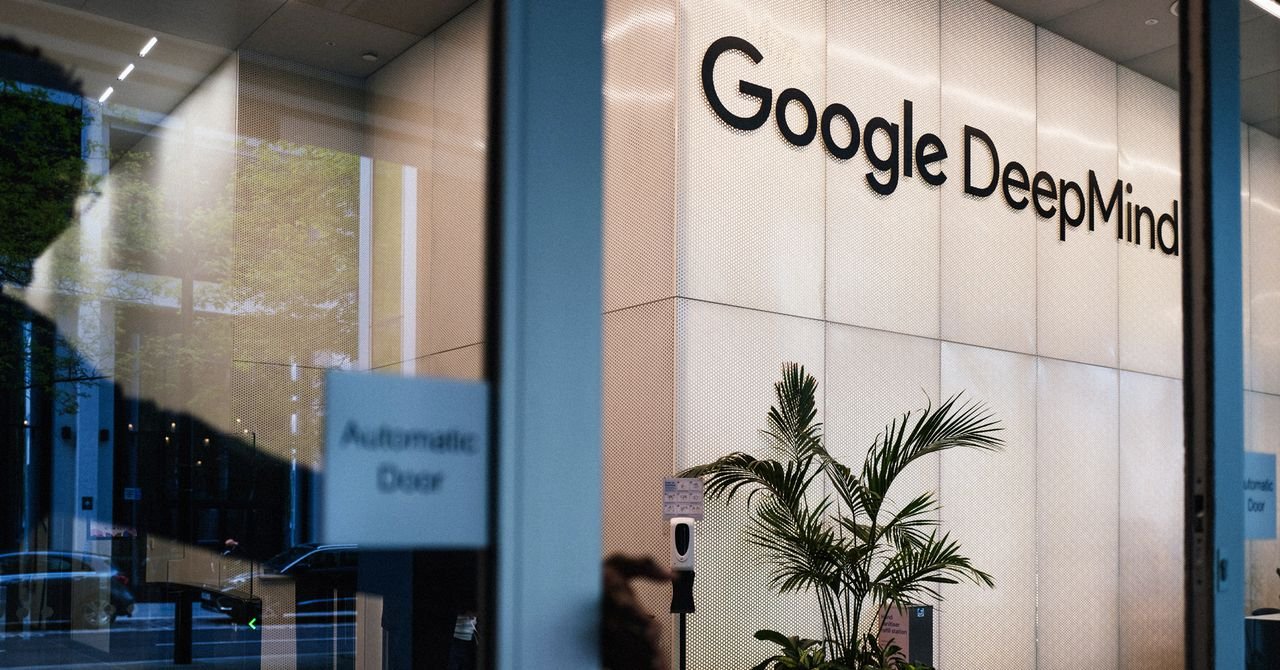
Employees at Google DeepMind have asked a UK government body, according to WIRED, to intervene in an intensifying labor dispute. By filing an application with the Central Arbitration Committee, staff are seeking for a process that could lead to a unionization ballot. This move marks a major escalation for approximately 1,000 product-focused workers who claim their internal concerns regarding the direction of the company have been consistently dismissed.
The Core Conflict Behind Google DeepMind Organizing Efforts
The push for collective bargaining began in earnest following a controversial policy shift in February 2025. At that time, parent company Alphabet removed long-standing ethics guidelines that explicitly prohibited the use of AI for weapons development. For many at Google DeepMind, this was a breach of the moral framework that defined their initial mission. Employees argue that their primary goal is to reestablish these ‘red lines’ and ensure the technology benefits humanity rather than fueling military operations.
Why Staff Are Demanding A Seat At The Table
Internal communication suggests that management viewed previous attempts at voluntary unionization as an administrative burden rather than a genuine dialogue. John Chadfield, a national officer at the Communication Workers Union, noted that staff feel their problems have been minimized by HR representatives. The workers are specifically concerned about:
- The removal of ethical guidelines regarding weapons development.
- Ongoing agreements between the company and military organizations in the US and Israel.
- A perceived lack of transparency regarding the ethical oversight of new AI models.
Comparing Corporate Stance With Employee Concerns
The company maintains that its partnerships are essential for national security. A spokesperson previously stated that Google DeepMind remains committed to the consensus that AI should not be used for autonomous weaponry without human oversight. However, the employees seeking to unionize remain unconvinced by these assurances. They argue that without a formal, legally protected union, they have no leverage to demand that the company withdraw from these specific military contracts.
What This Means for the Future of AI Labor
The application asks the Central Arbitration Committee to assess support for a process that could lead to a ballot. Recognition and any subsequent policy changes would be separate developments. This would represent a significant shift in how large tech labs handle internal dissent. For the broader industry, the situation at Google DeepMind serves as a case study in how technical staff are increasingly using labor rights to influence corporate policy. As these workers continue their campaign, the tech sector will be watching closely to see if collective bargaining can effectively challenge the strategic direction of leading AI firms.
For additional reporting, see wired Reporting.
An application is not recognition
WIRED reports that unions applied to the Central Arbitration Committee seeking a process that could lead to a ballot. Filing an application does not mean a ballot has already happened, a union has been recognized, or the employer has been ordered to cancel contracts.
| Check | What to verify |
|---|---|
| Procedural stage | Look for the dated application, any committee decision, and a separate ballot result. |
| Representation | Check which workers and roles a proposal covers; do not assume it includes every employee worldwide. |
| Policy outcome | Distinguish a campaign demand from an agreed change to company policy. |
The technology-policy relevance is whether staff obtain a formal channel to influence workplace decisions. It is not evidence that the legal process has already determined the ethics or legality of a particular AI contract.