
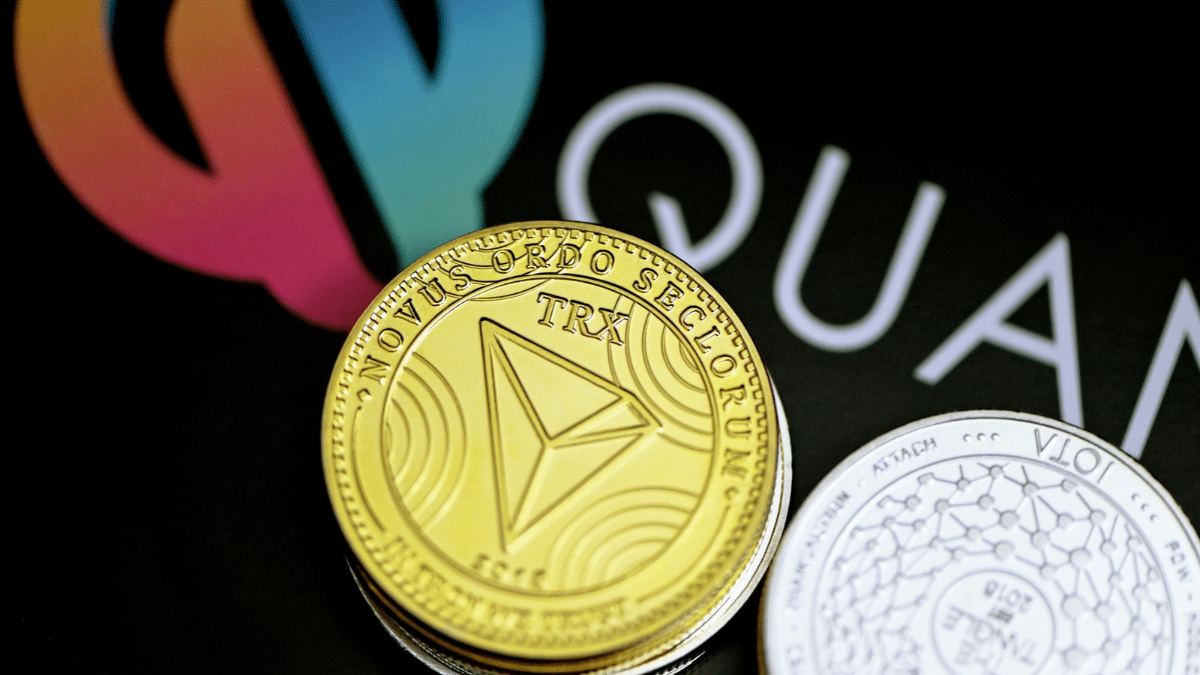
The Digital Crime Task Force has been announced, according to Gadgets 360, to address the escalating threat of artificial intelligence in illicit financial operations. By combining the resources of Tron, Tether, and Chainalysis, this coalition aims to monitor suspicious USDT transactions on the Tron blockchain. Because cybercriminals are increasingly utilizing AI to automate impersonation schemes, the industry is seeing a 4.5 times increase in revenue per scam compared to previous years.
How the Digital Crime Task Force Operates
The report describes this initiative as following the dissolution of the T3 Financial Crime Unit, which previously involved TRM Labs. The new Digital Crime Task Force focuses on identifying wallets linked to illicit activities such as romance scams, investment fraud, and North Korean-led hacking operations. Tether, acting as the stablecoin issuer, maintains the capability to freeze assets within these identified wallets, which may restrict transfers of affected tokens; tracing and freezing do not guarantee recovery for a victim.
Why AI is Changing the Landscape
Recent reports from Chainalysis highlight that impersonation scams have seen an annual growth rate exceeding 1,400 percent. This surge is largely attributed to the low barrier to entry for criminals using generative AI. By automating outreach and mimicking trusted figures, bad actors are reaching more victims with less manual effort. The Digital Crime Task Force seeks to close the time gap between detecting a suspicious transaction and taking enforcement action.
- Monitoring of USDT flows on the Tron network.
- Real-time exchange of intelligence with global law enforcement agencies.
- Rapid freezing of illicit funds to prevent further theft.
- Analysis of AI-driven scam patterns to predict future threats.
The Bottom Line on Asset Security
For the average user, the formation of the Digital Crime Task Force represents a significant shift toward proactive blockchain defense. While the firms have not yet detailed specific cases or asset freezes, the architecture is designed to make the network less hospitable to criminal entities. As the Digital Crime Task Force continues to refine its investigative techniques, the collaboration aims to protect the integrity of the USDT ecosystem for all participants.
For additional reporting, see Gadgets360.com Reporting.
A task force does not guarantee recovery
The Gadgets 360 report describes cooperation on tracing suspicious crypto activity. Analytics, an issuer’s ability to freeze some tokens, a law-enforcement investigation, and restitution to a victim are different steps. None should be presented as a guarantee of reimbursement.
| Check | What to verify |
|---|---|
| Preserve evidence | Record transaction hashes, wallet addresses, timestamps, messages, and receipts. |
| Use official channels | Report promptly to the relevant exchange, wallet service, and law-enforcement channel for your jurisdiction. |
| Avoid recovery scams | Do not share seed phrases or pay an unsolicited person who guarantees that tracing alone can reverse a transfer. |
A public announcement is not proof that a particular address was investigated or that funds were frozen. Verify case-specific statements, and distinguish an analytics provider’s detection claim from a confirmed enforcement outcome.