
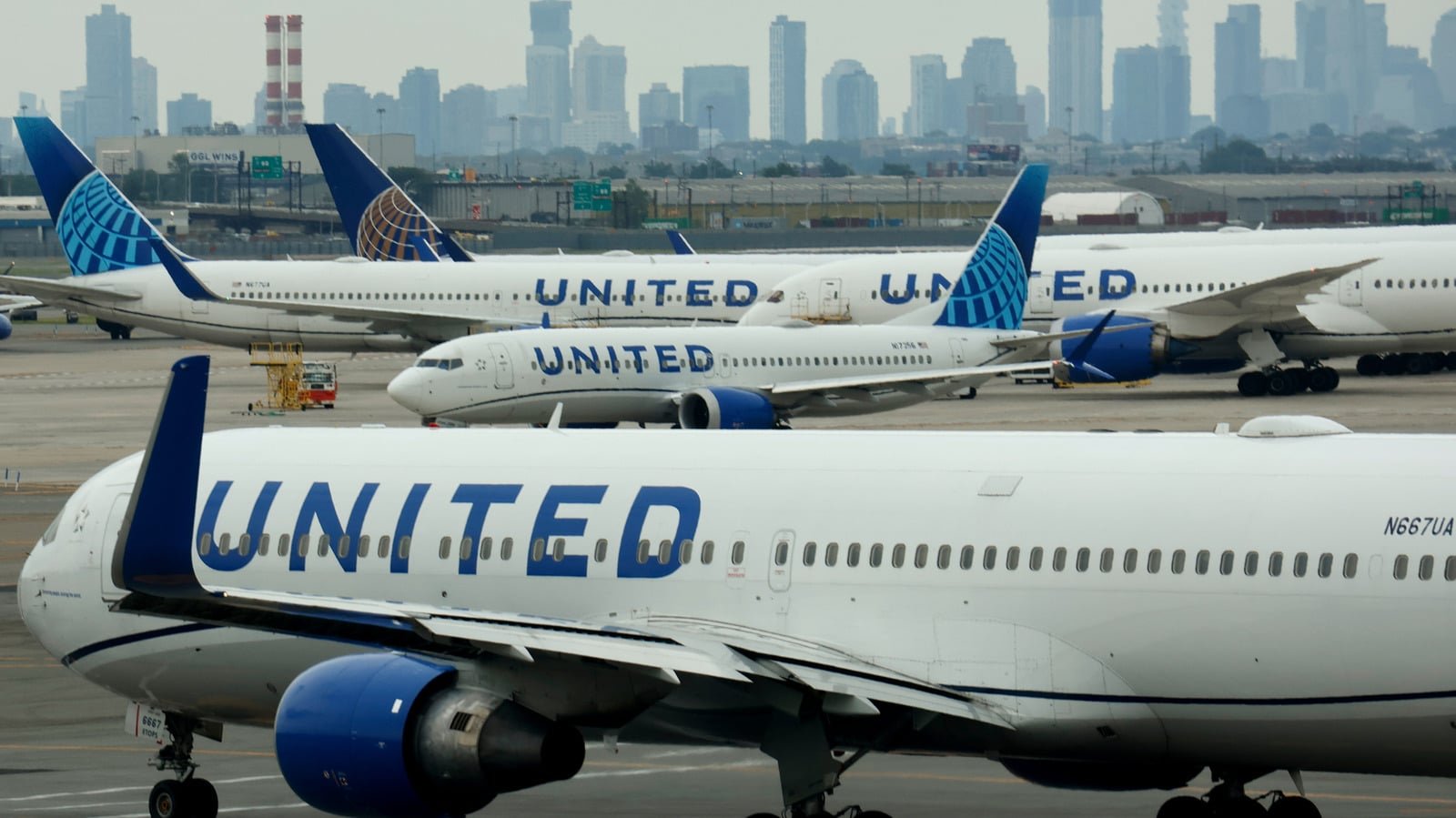
United Airlines Blocks AI agents to Stop Security Risks
United Airlines has officially moved to restrict AI agents from booking flights across its primary website, third-party travel agencies, and various flight aggregators. This policy shift places the airline among a growing group of major corporations, such as JPMorgan Chase and Amazon, that are actively limiting how automated bots interact with their platforms to prevent security vulnerabilities.
The Security Risks of Using AI agents
The primary concern for the airline involves the sensitive data handled during the booking process. When customers provide payment details or login credentials to third-party AI agents, they face risks including unauthorized account changes, unintended purchases, or the potential loss of MileagePlus rewards. United emphasizes that these automated tools often lack the necessary safeguards to protect user privacy effectively.
Regulatory Hurdles for Automated Booking
Beyond data security, the airline cites potential violations of Department of Transportation and Federal Aviation Administration regulations as a key driver for this decision. For instance, specific safety protocols, such as acknowledging that checked luggage does not contain explosives, are legally required to be performed by a human. Because AI agents cannot verify these critical safety declarations, the airline views them as a liability.
Industry Perspectives on Agentic Commerce
United CEO Scott Kirby has been vocal about his reluctance to embrace the trend of automated commerce. During a recent event, Kirby stated that the company aims to avoid building dependencies on middlemen that could complicate the direct relationship between the airline and its passengers. While some competitors like Southwest have experimented with ChatGPT plugins to facilitate bookings, United is choosing to prioritize direct control over its digital storefront.
Consumer Adoption and Practical Limitations
- AI agents currently show low adoption rates for complex tasks.
- Recent data from Uber shows only four rides booked via AI out of 320 million trips.
- Automated shopping remains less frictionless than traditional human-led booking methods.
Ultimately, the limited success of AI agents in the travel sector suggests that consumers still prefer manual verification for high-stakes transactions. As the industry grapples with the integration of AI agents, companies like United are betting that keeping human oversight at the center of the booking experience remains the safest path forward.