
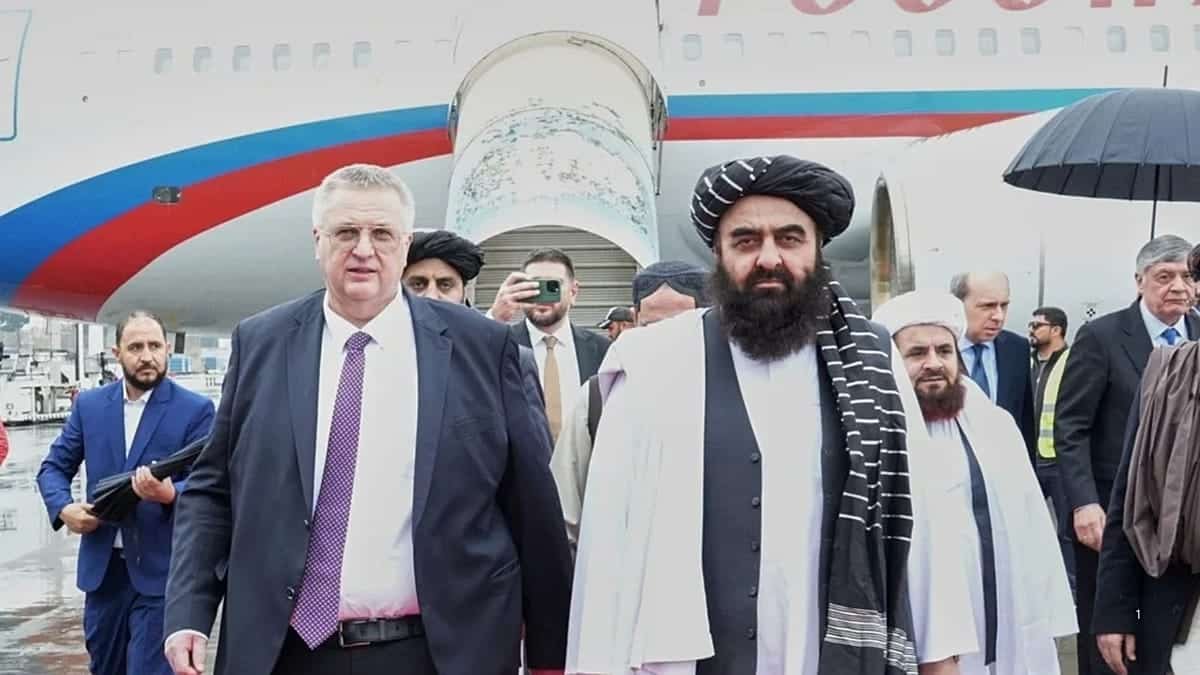
Russia Targets Afghan investments to Secure Trade Gains
As Moscow looks to broaden its economic footprint in Central Asia, the push for Afghan investments has become a cornerstone of its current diplomatic strategy. A massive delegation of 70 Russian business representatives recently arrived in Kabul, engaging in high-level talks with Taliban officials to solidify deals spanning transport, logistics, agriculture, and pharmaceutical manufacturing. This move signifies a calculated effort to stabilize trade corridors and leverage the region’s resource potential.
Afghan Investments: Strategic Shifts in Regional Infrastructure
The core of the recent summit involved discussions regarding the creation of a special economic zone aimed at fostering Afghan investments. According to reports from the Taliban’s economic leadership, the discussions focused on utilizing Afghanistan’s strategic location to facilitate easier transit for goods destined for Russian markets. By streamlining these logistics, Moscow aims to reduce transit costs, effectively making the region a more viable hub for its chemical fertilizers and industrial components.
Afghan Investments: Comparative Analysis of Regional Economic Integration
When analyzing the viability of these Afghan investments, it is useful to compare Russia’s current approach with historical regional development models. While the U.S. focused on security-led infrastructure, Russia is prioritizing direct commercial integration through resource extraction and agricultural exports. The following table outlines the key focal areas for the current Russian-Afghan economic dialogue compared to traditional development aid.
| Sector | Russian Investment Focus | Historical Focus |
|---|---|---|
| Mining | Industrial extraction | Oversight/Regulation |
| Agriculture | Fertilizer/Processing | Subsistence support |
| Transport | Rail and road transit | Tactical logistics |
Afghan Investments: Technical Deep-Dive into Resource Development
A critical component of the Russian strategy involves building fertilizer production plants on Afghan soil. This technical investment represents a significant departure from simple import-export models. By localizing production, Moscow hopes to mitigate the logistical challenges of transporting raw materials across difficult terrain. This shift in Afghan investments directly addresses the need for industrialized agriculture, which is essential for the nation’s 24-million-strong workforce to achieve long-term economic stability.
Consumer and Market Impact
For the average stakeholder, the influx of capital into infrastructure could signal a shift in regional pricing for agricultural goods. However, the reliance on these Afghan investments comes with geopolitical risks. As Moscow remains the only state to officially recognize the current administration, the long-term sustainability of these trade routes depends heavily on regional security and the ability of the Taliban to maintain stable transit corridors for international business interests.
Frequently Asked Questions
How significant is the increase in trade between the two nations?
Trade between Russia and Afghanistan has more than doubled in the first eight months of 2026, reaching a valuation of over 349 million dollars.
What sectors are prioritized for Afghan investments?
The primary sectors include transport, logistics, mining, construction of railways, and the establishment of local chemical fertilizer production facilities.
Why is Russia the only nation officially recognizing the current government?
This is a unique diplomatic position held by Moscow since July 2025, distinguishing it from other international bodies that maintain specific economic ties without full recognition.
The Bottom Line
Russia’s aggressive pursuit of Afghan investments marks a decisive shift in its regional policy. By focusing on tangible industrial infrastructure and agricultural capacity, Moscow is attempting to secure a permanent economic foothold. While the financial benefits are clear for both parties, the success of these ventures remains tied to the complex political realities of the region.
For full official background and direct documentation, read the source coverage on Euronews.com Reporting.