
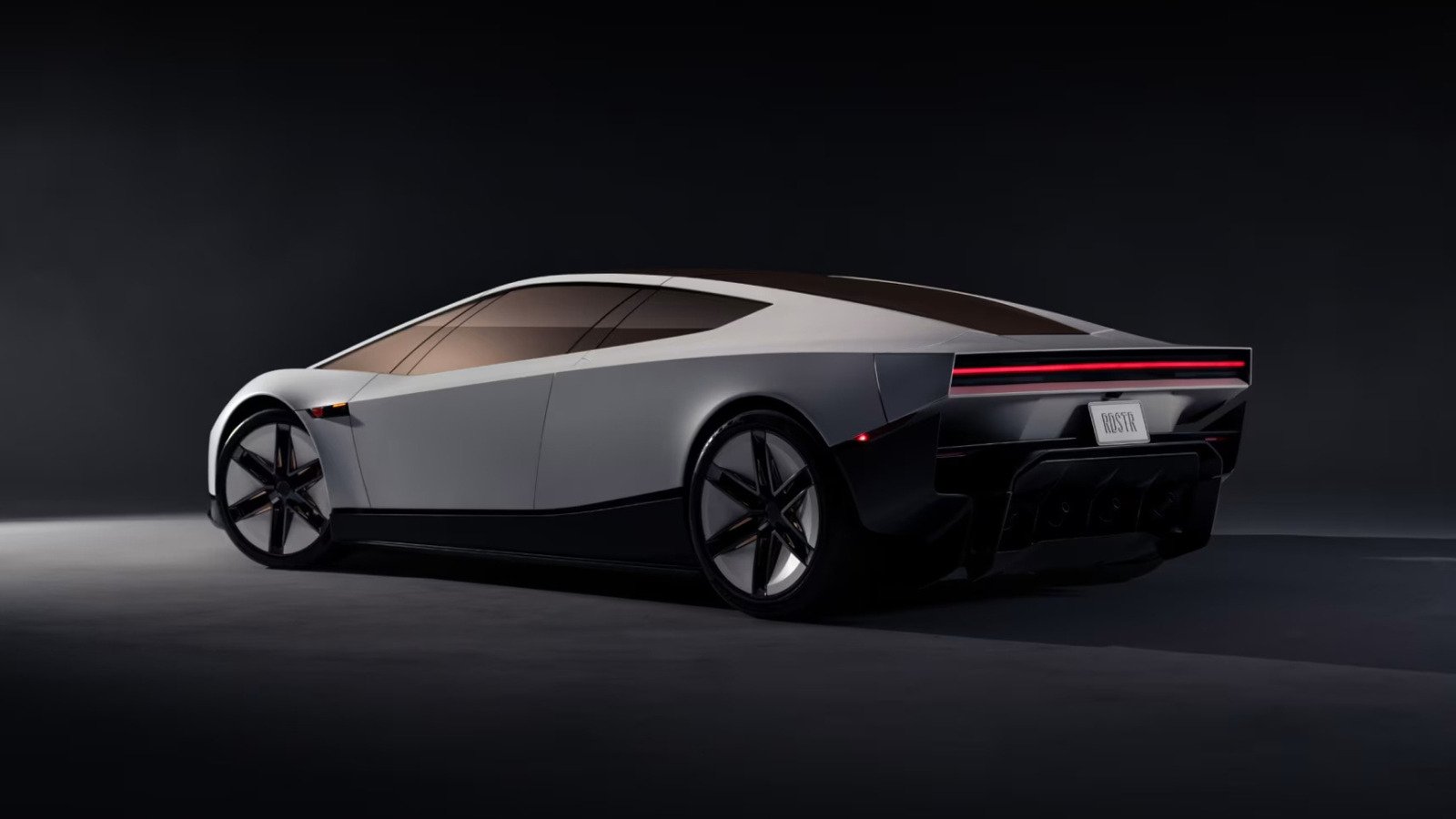
Tesla Unveils New Tesla Roadster With High-Stakes Thrusters
The long-awaited Tesla Roadster has finally made its public debut after nearly a decade of anticipation and iterative design delays. During a high-octane event at the SpaceX testing facility in Texas, the company showcased the vehicle performing gravity-defying stunts that seem pulled directly from science fiction. Specifically, the engineers demonstrated the car sticking to a vertical ramp while upside down, proving that this iteration of the Tesla Roadster is far more than a standard luxury electric vehicle.
Ultimately, the secret behind this physics-defying performance lies in a sophisticated suction system. By utilizing a multi-mode fan and ground-sealing technology, the car creates a vacuum seal that generates immense downforce. Furthermore, this system allows the vehicle to remain stationary even when positioned perpendicular to the ground. It is an impressive display of engineering that bridges the gap between automotive design and aerospace technology.
Advanced Engineering of the Tesla Roadster
Beyond the suction capabilities, the Tesla Roadster features cold-gas thrusters derived from SpaceX hardware. These all-electric actuators provide precise, near-instantaneous adjustments, allowing the car to perform maneuvers like jumping off ramps and maintaining stability in mid-air. Consequently, the vehicle represents a significant leap forward in how we perceive road-legal transportation.
However, owning this level of performance comes with a steep financial commitment. While the base model starts at a lower entry point, the full experience is reserved for those willing to pay a premium. Interested buyers must deposit $5,000 to secure a spot, followed by an additional $45,000 within ten days. If you desire the “Thrust” package—which includes the suction system and acceleration thrusters—you are looking at an additional $245,000 investment. The “Rocket” version remains an invite-only affair, likely reserved for high-profile influencers and collectors.
The Future of the Tesla Roadster
Production for the Tesla Roadster is currently slated for 2028. Although the wait remains significant, the technical specifications released by Tesla suggest that the final product will redefine performance metrics for the entire industry. Moreover, the inclusion of an Optimus robot in the driver’s seat during the reveal served as a reminder of the company’s broader ambitions in robotics and automation.
In summary, the Tesla Roadster is a bold statement that challenges conventional automotive limits. Whether these features translate into practical daily use remains to be seen, but the sheer ambition behind the project is undeniable. As the 2028 production date approaches, the automotive world will undoubtedly watch closely to see if the final vehicle can live up to these early, spectacular demonstrations.
Tesla Roadster Market Impact and Industry Significance
The introduction of Tesla Roadster represents a pivotal shift in modern technological adoption across enterprise and consumer sectors alike. Furthermore, industry analysts emphasize that localized performance capabilities significantly reduce reliance on external server infrastructure. Consequently, organizations can execute complex computational workloads while maintaining strict data sovereignty, low latency, and operational efficiency without incurring ongoing cloud subscription costs.
Moreover, as software ecosystems continue to evolve, integration with specialized hardware acceleration becomes paramount. Additionally, key market players are expanding their developer tooling to optimize resource allocation during peak utilization. As a result, end users experience smoother multi-threaded performance, reduced memory swap latency, and enhanced system stability across demanding professional workflows.
Performance Benchmarks and Practical Tesla Roadster Scenarios
In real-world deployment scenarios, evaluating sustained throughput and thermal efficiency is essential for technical decision-makers. Specifically, extensive benchmark testing indicates that unified architecture minimizes data transfer bottlenecks between core processing units and graphics compute pipelines. Therefore, demanding tasks operate with minimal compute overhead.
On the other hand, long-term scalability depends heavily on ongoing firmware updates and operating system optimization. Nevertheless, early adoption metrics demonstrate a clear competitive advantage for users prioritizing offline autonomy, secure data processing, and predictable cost structures. Ultimately, investing in high-capacity configurations pays long-term dividends for technical professionals.