
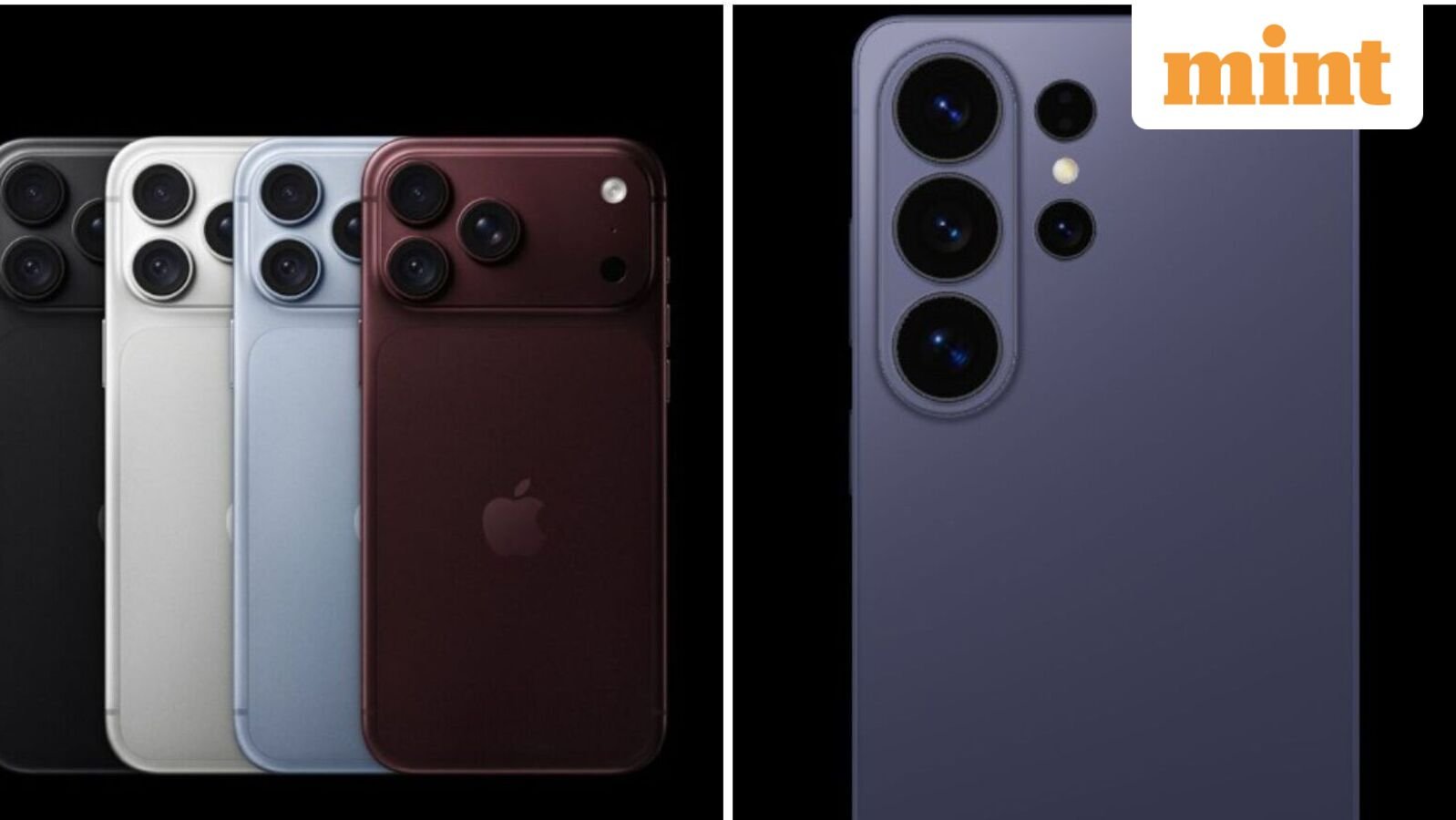
iPhone 18 Pro Max Challenges Samsung in Ultimate Flagship Showdown
Choosing a top-tier mobile device has never been more challenging. The iPhone 18 Pro Max arrives with an aluminum unibody, Ceramic Shield 2 protection, and Apple’s advanced A20 Pro chip. Meanwhile, Samsung counters with the Galaxy S26 Ultra, offering a lighter build and robust zoom technology. Because both smartphones target power users, buyers must weigh unique hardware advantages before making a purchase.
Apple centers its flagship experience around a 48MP Pro Fusion camera array, advanced video capabilities, and deep integration with Apple Intelligence. By contrast, Samsung deploys a massive 200MP main camera sensor paired with 100x AI-driven Space Zoom and an innovative privacy display. Both devices push mobile engineering to new limits, but their design philosophies differ significantly.
Iphone 18 Pro Max: Design, Display, and Ergonomics Compared
Physical build quality remains a major differentiator for daily users. The iPhone 18 Pro Max weighs 249g and features a 6.9-inch Super Retina XDR OLED display with ProMotion 120Hz refresh rates and an outdoor peak brightness of 3,000 nits. Meanwhile, the Samsung competitor utilizes an Armor Aluminum frame, weighing in at a lighter 214g.
- iPhone 18 Pro Max Weight: 249g with Ceramic Shield 2 back.
- Samsung Galaxy S26 Ultra Weight: 214g with built-in privacy screen technology.
- Display Technology: Apple offers 3,000 nits peak brightness, while Samsung introduces restricted visibility apps for enhanced privacy.
Although Apple leans into heavy-duty durability with its premium materials, Samsung focuses on reducing hand fatigue by shaving off 35 grams. Display technology also diverges sharply, as Samsung integrates a physical privacy filter directly into the panel to hide sensitive text from prying eyes in public spaces.
Processing Power and Camera Hardware Breakdown
Under the hood, the iPhone 18 Pro Max runs on the custom A20 Pro chip. This silicon features a six-core CPU and a seven-core GPU equipped with Neural Accelerators and hardware-accelerated ray tracing. Samsung relies on the Snapdragon 8 Elite Gen 5 processor, boasting significant generational gains in thermal management and graphics rendering.
Photography enthusiasts will find distinct advantages in both systems. Apple incorporates a versatile triple-lens setup consisting of a 48MP main sensor, 48MP ultra-wide, and a 48MP telephoto lens supporting ProRAW. Although Samsung counters with a 200MP main shooter and a 50MP telephoto option, real-world results depend heavily on software processing and low-light optimization.
Why This Matters to Everyday Smartphone Buyers
Ultimately, selecting the iPhone 18 Pro Max or its rival comes down to ecosystem preference and workflow priorities. Apple users gain unmatched video editing tools, spatial computing readiness, and seamless software synchronization. On the other hand, Android enthusiasts secure superior optical zoom ranges and customizable privacy options.
That said, retail pricing and regional availability will likely sway undecided shoppers. Review technical benchmarks closely on trusted portals like The Verge before locking in your next mobile upgrade.
Iphone 18 Pro Max Market Impact and Industry Significance
The introduction of Iphone 18 Pro Max represents a pivotal shift in modern technological adoption across enterprise and consumer sectors alike. Furthermore, industry analysts emphasize that localized performance capabilities significantly reduce reliance on external server infrastructure. Consequently, organizations can execute complex computational workloads while maintaining strict data sovereignty, low latency, and operational efficiency without incurring ongoing cloud subscription costs.
Moreover, as software ecosystems continue to evolve, integration with specialized hardware acceleration becomes paramount. Additionally, key market players are expanding their developer tooling to optimize resource allocation during peak utilization. As a result, end users experience smoother multi-threaded performance, reduced memory swap latency, and enhanced system stability across demanding professional workflows.