
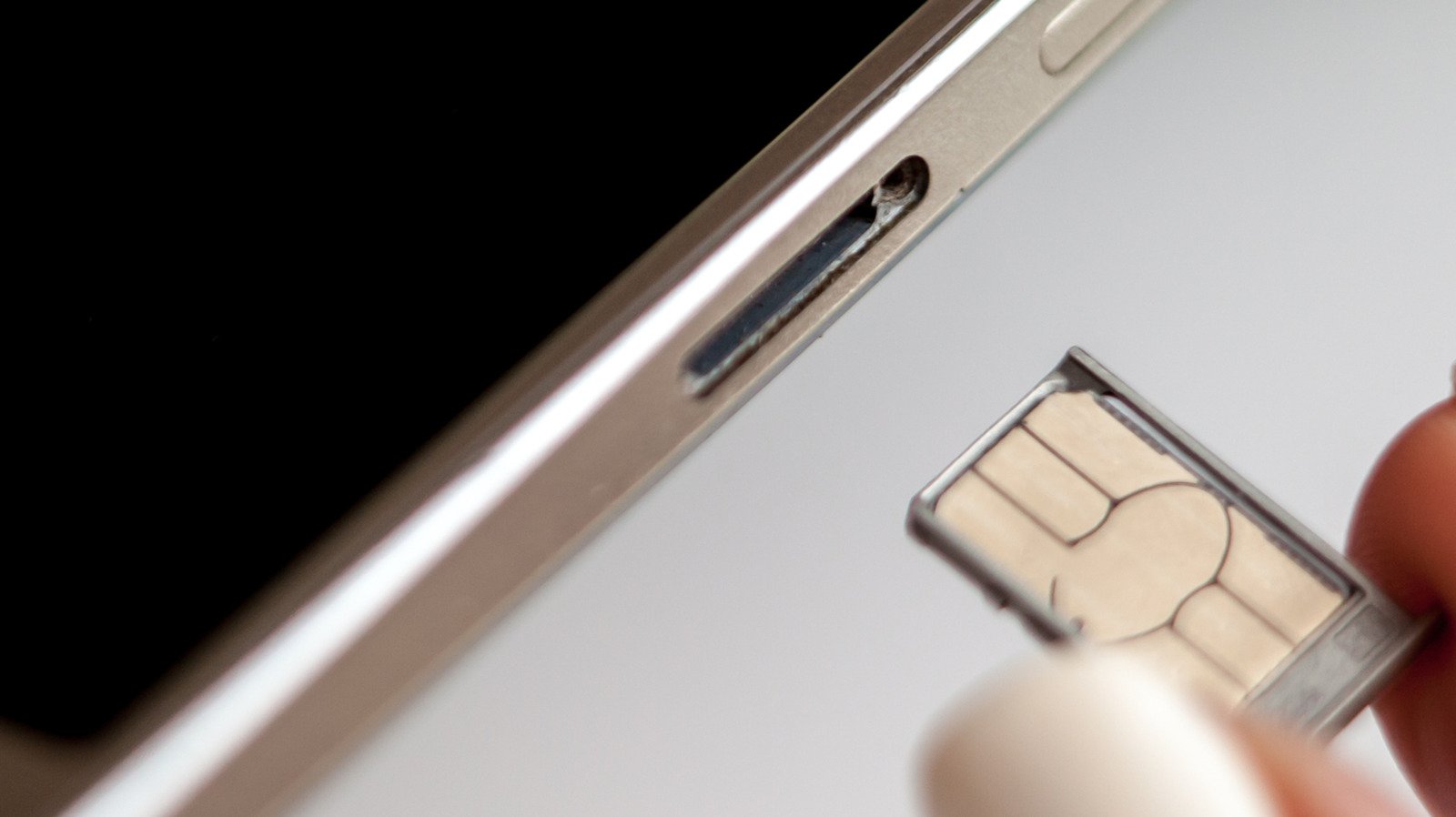
Why Powering Down Matters When Swapping a SIM Card
Modern smartphones let you swap a physical SIM card while the device remains powered on, but taking a brief moment to shut down your phone prevents hidden risks. Whether you are changing carriers to save money on a mobile plan or installing a cheap local carrier while traveling abroad, a careless swap can cause issues. In fact, most users breeze through the process without incident, yet rushing can lead to minor hardware complications or software glitches. Taking a proactive approach ensures your device registers the new network seamlessly without throwing frustrating error messages.
Physical Risks and the Benefits of a Quick Shutdown
Although today devices tolerate hot-swapping, tiny mistakes carry consequences. While handling a physical SIM card, you might accidentally introduce dust, moisture, or lint into the delicate tray slot. Forcing an incorrect size into a restricted opening can easily bend pins or break the plastic tray entirely. When a card sits incorrectly, your phone repeatedly tries and fails to establish a cellular connection, which rapidly drains battery life and causes overheating. By shutting down your device beforehand, you force the operating system to read the fresh carrier configuration files from scratch upon reboot. That simple reboot drastically minimizes the likelihood of encountering stubborn network errors.
Quick Steps for a Secure Carrier Swap
- Power down your smartphone completely or enable airplane mode.
- Gently insert an ejector tool into the phone pinhole to release the tray.
- Exchange your old SIM card for the new carrier chip, ensuring correct alignment.
- Reinsert the tray carefully and power the device back on.
- Enter your security PIN if requested by the operating system.
Although eSIM technology relies entirely on digital QR codes and carrier apps, removable modules remain popular for pay-as-you-go flexibility and privacy. That said, keeping your physical SIM card procedures clean and deliberate protects your hardware investment. According to The Verge, proper hardware handling prevents long-term cellular issues. Ultimately, spending an extra thirty seconds to turn off your handset saves you from tedious troubleshooting later on.
Sim Card Market Impact and Industry Significance
The introduction of Sim Card represents a pivotal shift in modern technological adoption across enterprise and consumer sectors alike. Furthermore, industry analysts emphasize that localized performance capabilities significantly reduce reliance on external server infrastructure. Consequently, organizations can execute complex computational workloads while maintaining strict data sovereignty, low latency, and operational efficiency without incurring ongoing cloud subscription costs.
Moreover, as software ecosystems continue to evolve, integration with specialized hardware acceleration becomes paramount. Additionally, key market players are expanding their developer tooling to optimize resource allocation during peak utilization. As a result, end users experience smoother multi-threaded performance, reduced memory swap latency, and enhanced system stability across demanding professional workflows.
Performance Benchmarks and Practical Sim Card Scenarios
In real-world deployment scenarios, evaluating sustained throughput and thermal efficiency is essential for technical decision-makers. Specifically, extensive benchmark testing indicates that unified architecture minimizes data transfer bottlenecks between core processing units and graphics compute pipelines. Therefore, demanding tasks operate with minimal compute overhead.
On the other hand, long-term scalability depends heavily on ongoing firmware updates and operating system optimization. Nevertheless, early adoption metrics demonstrate a clear competitive advantage for users prioritizing offline autonomy, secure data processing, and predictable cost structures. Ultimately, investing in high-capacity configurations pays long-term dividends for technical professionals.