
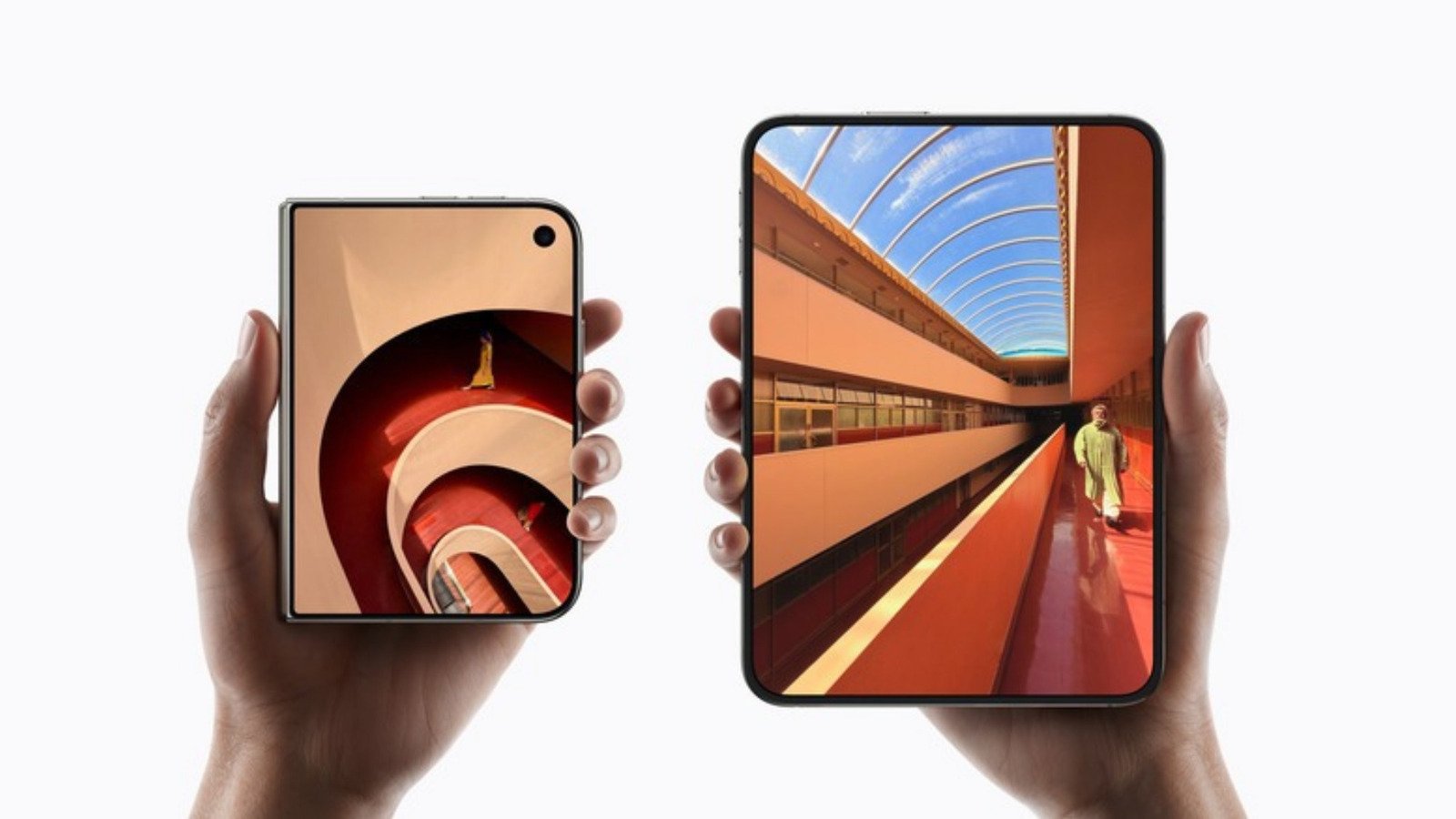
How the Modern Foldable Phone Overcame Early Design Flaws
Technological advances often come with growing pains, and mobile hardware is no exception. Back in 1984, the bulky brick phone required users to carry 1.7 pounds for just half an hour of talk time. Today, the modern foldable phone faces a much different set of engineering hurdles, though it has evolved dramatically since its early commercial days. When I first gripped the Samsung Galaxy Z Fold 4, fitting it into a standard pocket felt like a genuine struggle. Friends frequently asked why I was lugging around two separate handsets instead of a single device.
Despite those initial size complaints, the moment that display unfolded to reveal a massive tablet-sized screen remained truly awe-inspiring. Because of rapid engineering breakthroughs, recent iterations like the Google Pixel 11 Pro Fold and Samsung Galaxy Z Fold 8 have pushed form factors even further. Meanwhile, Apple has finally entered the hardware race with the iPhone Duo, making mainstream adoption feel almost inevitable. Yet, this success rests entirely upon a long history of painful hardware stumbles.
The Rocky Road of Early Flexible Displays
Trend analysts boldly declared 2019 the official year of the foldable phone, even though the market was barely ready. That year delivered the first real strides, starting with an obscure Chinese manufacturer named Royole. At CES 2019, Royole debuted the FlexPai as the world’s first commercially available flexible device. Although it captivated crowds, early reporters found the gadget rough around the edges and decidedly janky. However, it proved that flexible OLED panels could actually ship to consumers.
Shortly after, Samsung launched its inaugural Galaxy Fold in February 2019, triggering a wave of PR disasters. High-paying buyers discovered that peeling off a protective plastic layer destroyed the screen entirely. That fragility forced a humiliating public recall and hardware redesign. Those early failures taught manufacturers vital lessons about hinge durability, crease reduction, and screen resistance.
- Royole FlexPai launched at CES 2019 as an early pioneer.
- Samsung Galaxy Fold recalled in 2019 due to fragile plastic screen layers.
- Modern models include Google Pixel 11 Pro Fold and Apple iPhone Duo.
Why Mass Market Adoption is Finally Happening
That said, hardware manufacturers have finally solved many of the durability issues that plagued early models. Because engineering teams refined hinge mechanics and ultra-thin glass, today’s foldable phone feels genuinely sturdy in daily use. Apple’s market entry will likely convert millions of hesitant mainstream buyers who previously ignored Android alternatives.
Looking back at the awkward dimensions of the Royole FlexPai highlights just how far the industry has traveled in a few short years. While the foldable phone once commanded exorbitant prices for fragile hardware, current devices represent a mature category. Ultimately, the foldable phone has transitioned from an expensive novelty into a legitimate daily driver for mobile enthusiasts everywhere.
For full official background and direct documentation, read the source coverage on Engadget.com Reporting.