
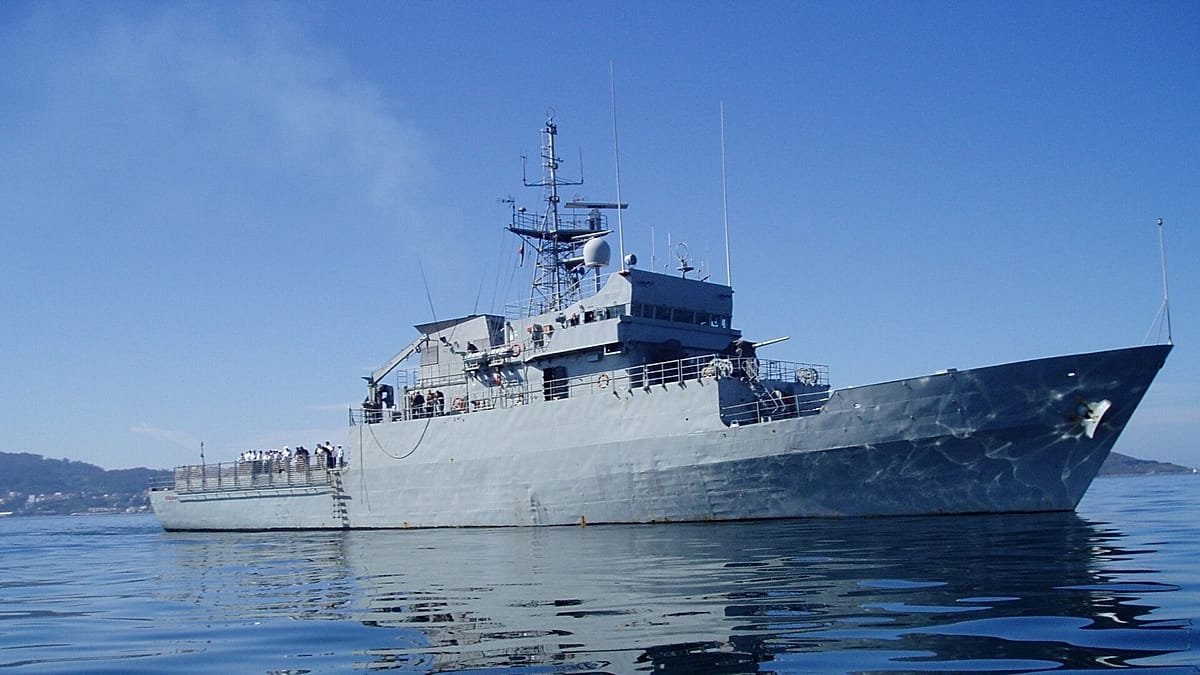
Spanish Navy Deploys Patrol Vessels to Ceuta Waters
The Spanish Navy has officially changed its protocol regarding foreign vessels, meaning that patrol vessels now act without requiring higher authorization. This shift directly addresses the innocent passage of Moroccan vessels through the territorial waters off Ceuta and Melilla. Although international maritime law allows foreign ships to transit coastal waters, recent events prompted a much stricter response.
Until recently, the Maritime Action Operations and Surveillance Centre monitored these movements passively. That said, the situation changed dramatically at the end of July. Military sources confirm that surveillance is now heavily reinforced. Instead of waiting for vessels to enter the zone, the military now sends out patrol vessels to meet them head-on. Because of this policy shift, authorities are far more alert to any potential security risks.
Active Surveillance Replaces Passive Monitoring in Ceuta
The operational difference lies entirely in the active response. While detection capabilities remain the same, the direct deployment of patrol vessels marks a major tactical pivot. The Atalaya, a Ferrol-based ship carrying four machine guns and one cannon with a 48-member crew, was deployed to Ceuta. Meanwhile, the Isla de León operates near Melilla and Perejil Island to protect local maritime interests.
- Atalaya deployed to Ceuta with 48 crew members
- Isla de León assigned to Melilla and nearby waters
- Direct shadowing replaces passive radar tracking
- Operations designed to deter unauthorized incursions
These deployments help distinguish true innocent passage from activities that threaten local sovereignty. Meanwhile, the Interior Ministry reports that maritime activity flying the Moroccan flag decreased significantly following the new measures. El Mundo originally reported these crucial military protocol changes.
Why This Tactical Shift Matters for Regional Security
Ultimately, sending out patrol vessels serves as an essential tool for both surveillance and deterrence. Although Spain continues to maintain diplomatic ties with Rabat, the military refuses to compromise on border security. By actively shadowing foreign ships, the Navy ensures that international transit rules are strictly respected without escalating regional tensions unnecessarily.