
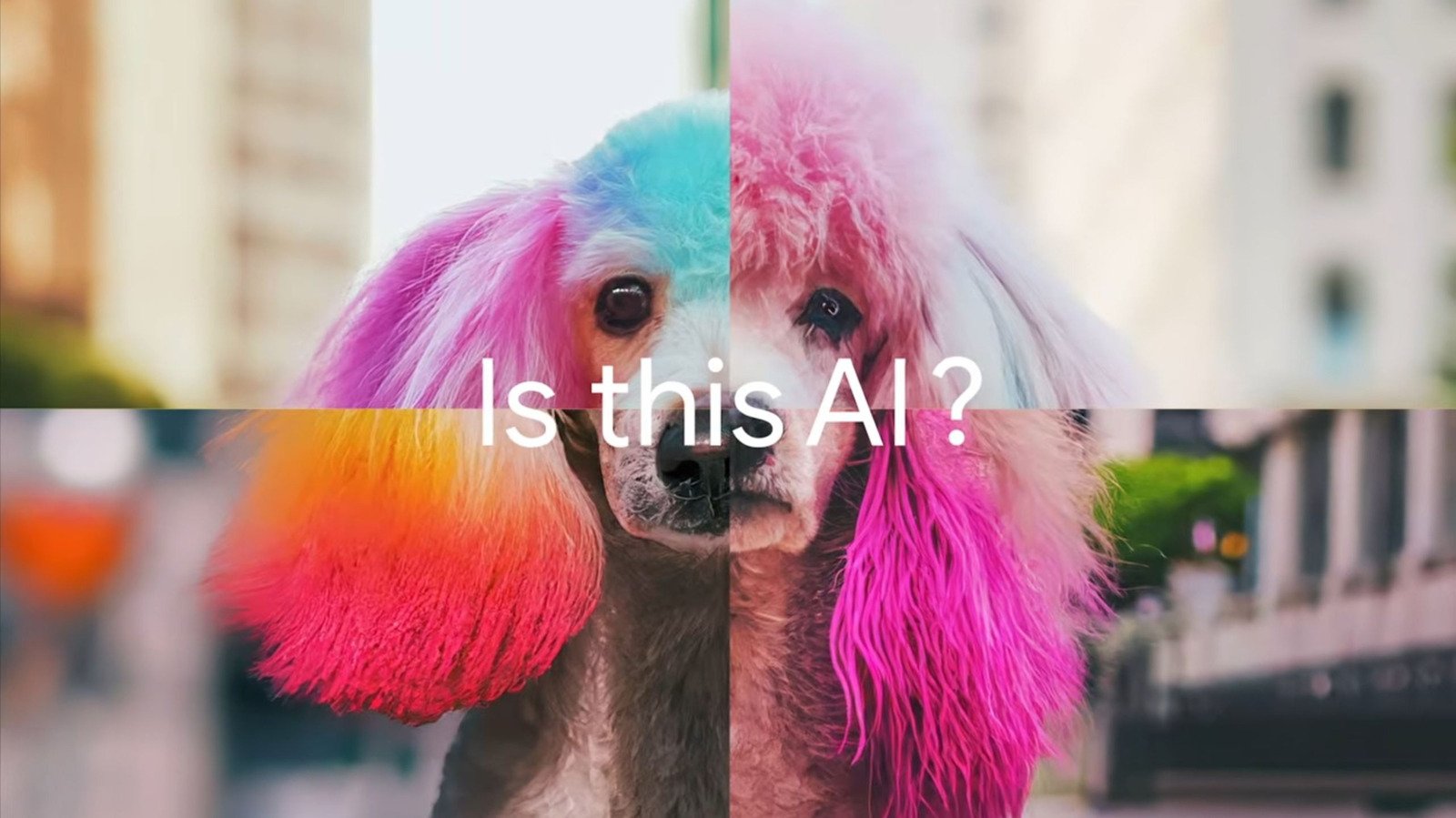
Google Battles Deepfakes With SynthID Detector Launch
Google has officially expanded access to its SynthID Detector, providing a public-facing tool designed to identify AI-generated media. As generative models proliferate across the internet, the SynthID Detector offers a transparent way for users to verify whether an image, video, or audio clip contains hidden watermarks embedded by major AI developers.
The release marks a transition from a closed beta, previously restricted to researchers and journalists, to a broader, more accessible service. By visiting the official web portal, anyone can now upload a file to receive a simple yes or no verdict regarding its origins. This move addresses a growing anxiety among internet users who struggle to distinguish between organic reality and synthetic output.
Synthid Detector: The Practical Limits of Identifying Synthetic Media
While the launch of the SynthID Detector sounds like a silver bullet for digital truth, it carries significant limitations. The system functions by scanning for specific, imperceptible watermarks rather than performing a deep analysis of visual patterns or logical inconsistencies. Consequently, it cannot identify content generated by platforms that do not participate in the initiative, such as Meta’s suite of AI tools.
Because the system relies on these specific signatures, it avoids the common pitfall of false positives that plague traditional detection software. However, it also means that if an image is heavily cropped or modified in ways that strip the metadata, the detector may fail to provide an accurate result. Google has implemented a daily limit of approximately ten checks per user to maintain system stability and prevent abuse.
How This Compares to Previous Verification Methods
Before this rollout, users were forced to rely on manual inspection or direct queries to models like Gemini, which often felt like asking a fox to guard the henhouse. Many users remained skeptical of self-policing mechanisms. By introducing the SynthID Detector, Google is shifting the burden of verification away from the AI models themselves and into the hands of the public, albeit with a focus on partner-supported content.
- Supports major AI partners including OpenAI, NVIDIA, and Kakao.
- Offers a simple binary output: detected or not detected.
- Apple support is currently in development for future integration.
- Strict usage caps prevent mass-scale automated scraping.
The bottom line is that while this tool is a step toward greater transparency, it is not a comprehensive solution for internet-wide misinformation. It serves as a verification layer for specific, watermarked media rather than a universal truth engine. As the technology matures, the industry will likely need a more robust, cross-platform standard to truly mitigate the spread of sophisticated deepfakes across social networks.
For full official background and direct documentation, read the source coverage on Engadget.com Reporting.