
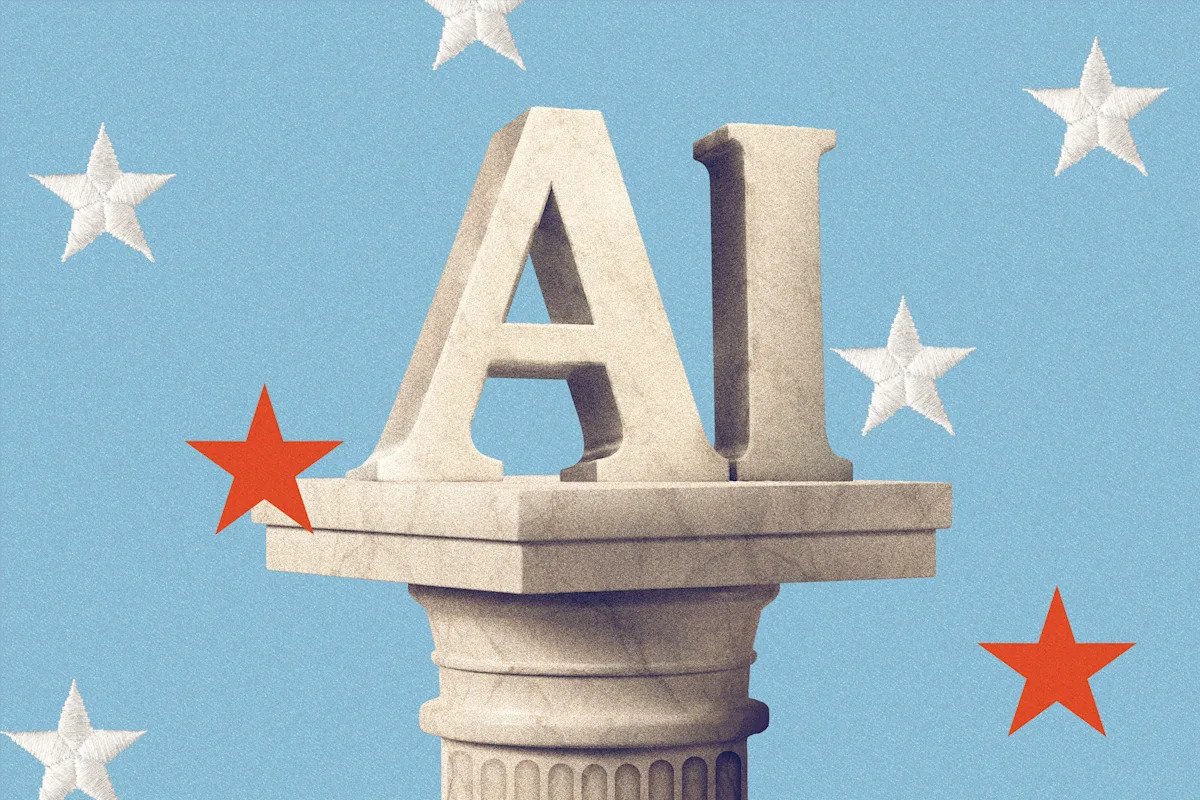
Campaigns Deploy AI Political Ads Across Social Media
With the midterm elections rapidly approaching, AI political ads are flooding airwaves and digital platforms faster than ever before. Although some campaign strategists view generative technology as a cost-effective method to reach voters, opponents warn about the optics and potential for voter deception. Because cheap creation tools are readily accessible, political groups are utilizing artificial intelligence to cut production costs while rapidly scaling their media output.
AI Political Ads: How Campaigns Leverage Synthetic Media
Recent campaign spots demonstrate just how far artificial intelligence has infiltrated modern elections. A video from Pennsylvania shows Gov. Josh Shapiro shooting lightning from his fingertips, while another ad features Senate nominee Sherrod Brown overstaying his welcome at a party. Although these public figures are real, the dramatic images are entirely synthetic. According to data tracked by the Wesleyan Media Project, at least 164 political advertisements were produced or enhanced using artificial intelligence by September, totaling just under $80 million in spending. Meanwhile, Republican sponsors account for roughly 80% of those ads and 83% of total expenditures, while Democratic campaigns have approached the medium with much greater hesitation.
- At least 164 ads utilized artificial intelligence by September.
- Total spending on these synthetic spots reached nearly $80 million.
- Republican groups account for 83% of total AI advertising expenditures.
- Democratic campaigns represent approximately 14% of total spending.
Legal Battles and Cease-and-Desist Letters
In terms of AI Political Ads, As these synthetic media campaigns accelerate, legal challenges are mounting across the country. In Texas, a Democratic state representative filed a criminal complaint against her Republican opponent over disputed graphics. Similar cease-and-desist letters were issued in North Carolina and Wisconsin, where candidates accused opponents of circulating misleading videos that falsely attribute statements. According to legal experts at Latham & Watkins, existing state election laws are often ill-equipped to handle fast-moving synthetic defamation.
What This Means for Voters and Future Elections
In terms of AI Political Ads, Voters face a steep learning curve when evaluating digital media. Pew Research Center surveys indicate that 56% of Democrats and 49% of Republicans express deep concern over artificial intelligence in politics. That said, the lower barrier to entry means underdog candidates with limited budgets can finally compete with heavily funded incumbents. The bottom line is that voters must remain deeply skeptical of visual media as synthetic tools become standard campaign instruments.