
Apple Intelligence Streamlines Daily iPhone Workflows
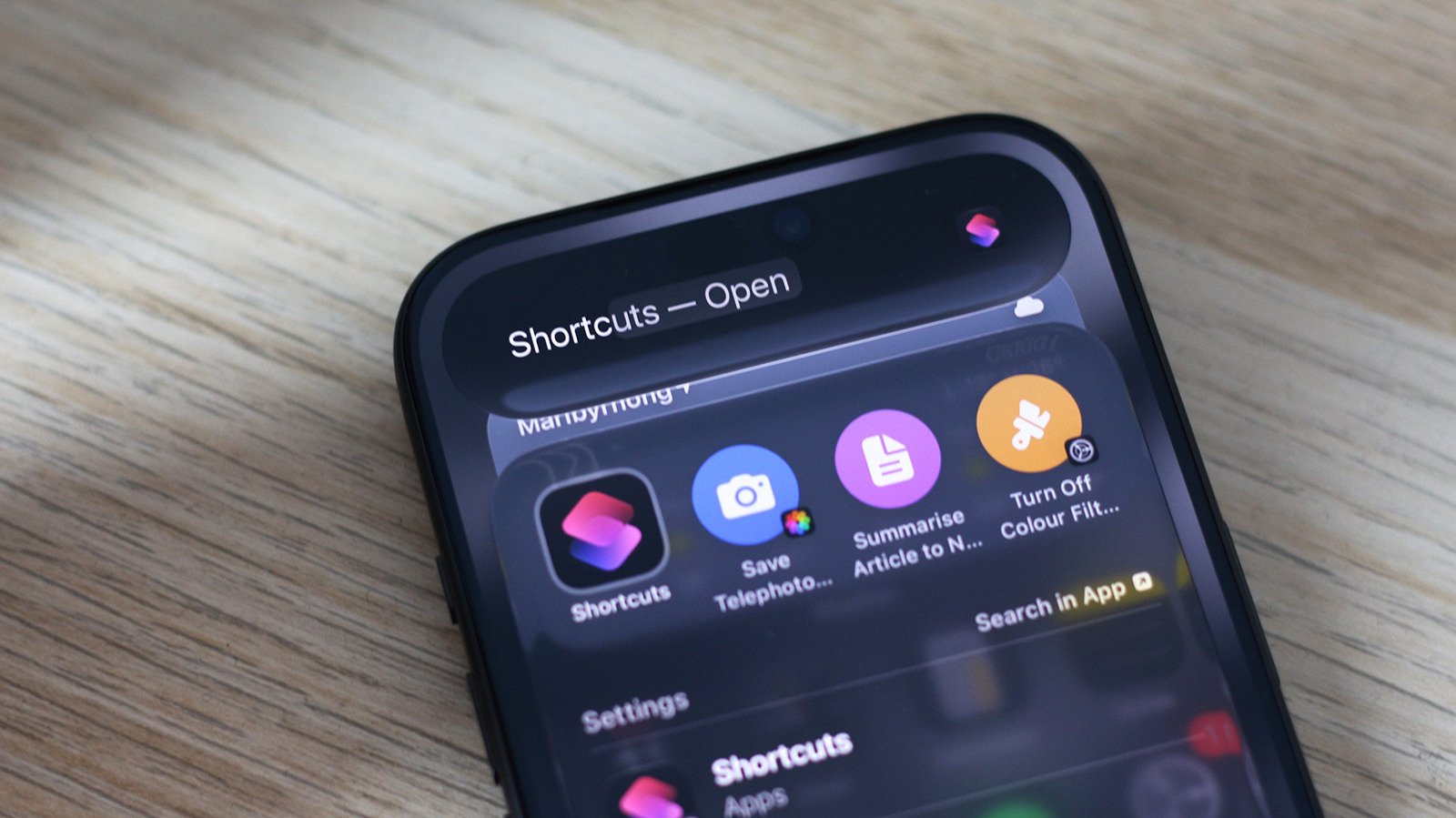
The latest updates to the Shortcuts app prove that Apple Intelligence is finally delivering tangible utility for power users. While automation tools have existed since 2018, integrating Apple Intelligence allows users to build complex logic using simple, natural language prompts. Instead of navigating tedious menus, you simply describe your intent to the system, and it attempts to construct the workflow automatically.
Specifically, this new functionality targets users who previously found the barrier to entry for automation too high. To begin, launch the Shortcuts app, tap the large plus icon, and type your request. Once the system finishes drafting the sequence, you can test it immediately. Furthermore, because these generated tasks remain fully editable, you retain complete control over the final output.
Refining the Logic of Apple Intelligence
While the convenience is undeniable, the reliability of Apple Intelligence currently fluctuates depending on the complexity of your request. For instance, attempting to toggle screen filters based on app activity often requires manual troubleshooting. In one test, the system successfully enabled a grayscale filter when launching an app but failed to disable it afterward. Consequently, users should view these AI-generated workflows as a starting point rather than a finished product.
Moreover, the system occasionally misinterprets commands entirely. If you ask it to power down the device at a specific battery percentage, it might simply lock your screen instead. Nevertheless, the ability to iterate on these drafts makes the process far more efficient than building from scratch. You can easily adjust the individual actions within the editor to fix any logical gaps left by the AI.
Advanced Capabilities Within Apple Intelligence
Beyond basic task creation, Apple Intelligence introduces powerful data processing capabilities for your automated routines. By selecting the new ‘Use Model’ action, you can route information through local AI models to summarize text or analyze data on the fly. This shift effectively turns your phone into a programmable assistant capable of handling nuanced requests that were previously impossible to automate.
Ultimately, the integration of Apple Intelligence represents a significant leap forward for mobile productivity. While it is not yet perfect, it significantly flattens the learning curve for those eager to master iOS automation. As the technology matures, we can expect these shortcuts to become increasingly accurate and indispensable for daily device management.
Apple Intelligence Market Impact and Industry Significance
The introduction of Apple Intelligence represents a pivotal shift in modern technological adoption across enterprise and consumer sectors alike. Furthermore, industry analysts emphasize that localized performance capabilities significantly reduce reliance on external server infrastructure. Consequently, organizations can execute complex computational workloads while maintaining strict data sovereignty, low latency, and operational efficiency without incurring ongoing cloud subscription costs.
Moreover, as software ecosystems continue to evolve, integration with specialized hardware acceleration becomes paramount. Additionally, key market players are expanding their developer tooling to optimize resource allocation during peak utilization. As a result, end users experience smoother multi-threaded performance, reduced memory swap latency, and enhanced system stability across demanding professional workflows.
Performance Benchmarks and Practical Apple Intelligence Scenarios
In real-world deployment scenarios, evaluating sustained throughput and thermal efficiency is essential for technical decision-makers. Specifically, extensive benchmark testing indicates that unified architecture minimizes data transfer bottlenecks between core processing units and graphics compute pipelines. Therefore, demanding tasks operate with minimal compute overhead.
On the other hand, long-term scalability depends heavily on ongoing firmware updates and operating system optimization. Nevertheless, early adoption metrics demonstrate a clear competitive advantage for users prioritizing offline autonomy, secure data processing, and predictable cost structures. Ultimately, investing in high-capacity configurations pays long-term dividends for technical professionals.