
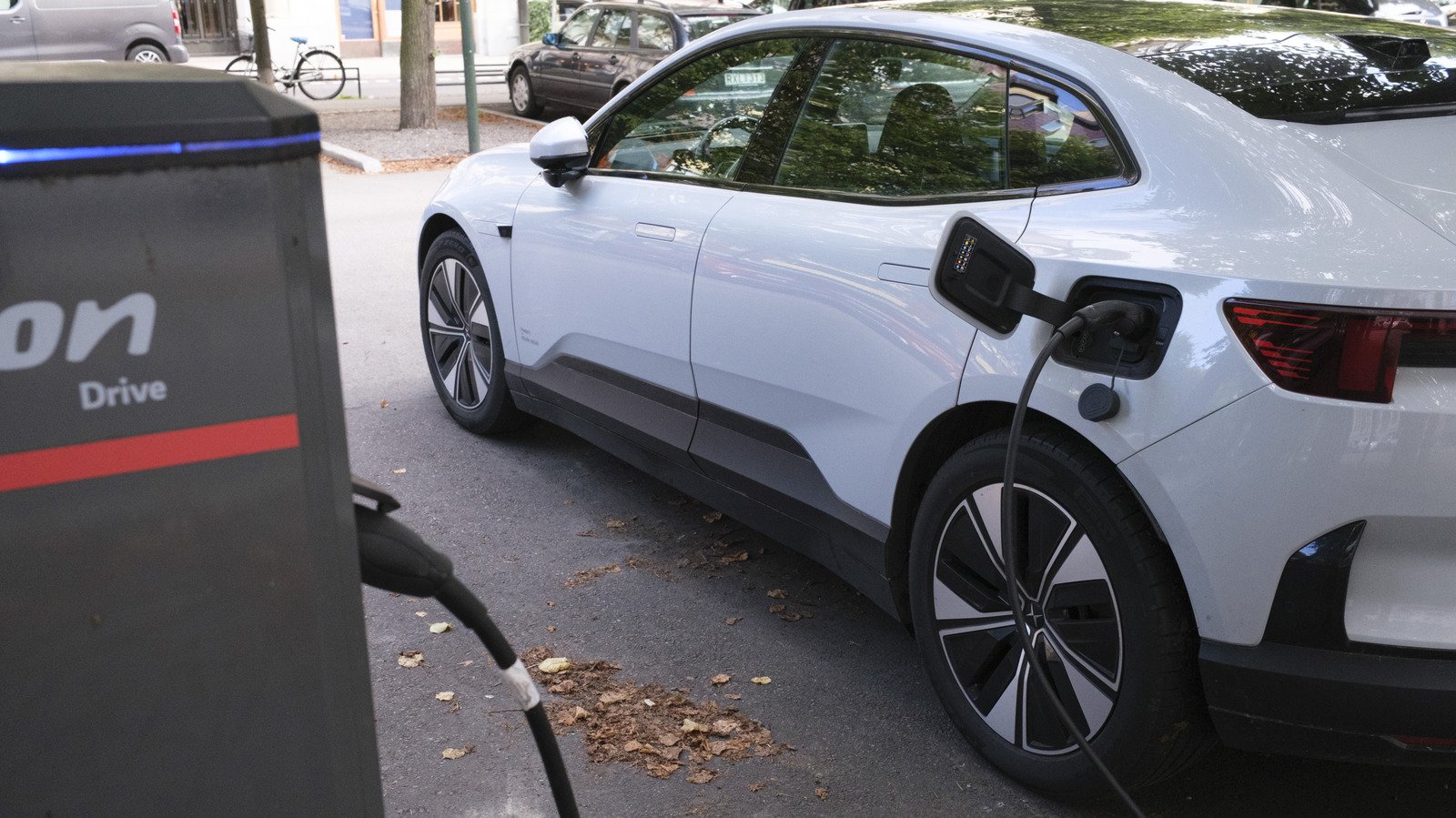
Experts Warn EV battery health Habits Damage Long Range
Many drivers overlook the importance of maintaining optimal EV battery health when transitioning from combustion engines to electric mobility. While electric vehicles offer reduced maintenance costs and lower fuel expenses, they require a shift in mindset regarding energy storage management. Ignoring these fundamental charging practices often leads to premature degradation, which can significantly reduce your total driving range over time.
Specifically, treating your vehicle like a modern smartphone is the best approach to ensure longevity. Most owners fail to realize that the way they power their cars determines whether they can complete long trips years down the road without unnecessary stops. By adjusting a few simple habits, you can protect your investment and maintain peak performance for the life of the car.
Optimizing EV battery health Through Smart Charging
First, avoid the common mistake of charging to 100 percent every single day. While a full charge is necessary for long journeys, keeping your battery at 80 or 90 percent is generally safer for daily use. Furthermore, modern vehicles allow you to set specific charge limits, which prevents unnecessary stress on the cells. Consistent overcharging is a leading cause of declining EV battery health in both LFP and NMC battery architectures.
Additionally, you should aim to keep your state of charge between 20 and 80 percent. Running the battery down to nearly zero is just as detrimental as keeping it at full capacity for extended periods. Consequently, staying within this “sweet spot” maximizes the efficiency of your charging sessions. Because charging speeds often throttle significantly after reaching 80 percent, maintaining this range also saves you time during daily commutes.
Thermal Management and EV battery health
Temperature plays a critical role in your car’s long-term viability. Specifically, you must avoid charging in extreme heat, such as temperatures approaching 104 degrees Fahrenheit. Heat accelerates chemical degradation within the cells, which directly compromises EV battery health. On the other hand, preconditioning your battery during cold weather is essential to ensure efficient energy intake. If you live in a hot climate, try to charge your vehicle in a shaded garage or during the cooler early morning hours to mitigate thermal stress.
Finally, minimize the use of Level 3 DC fast chargers. While these stations are convenient for road trips, relying on them exclusively can degrade your cells faster than using standard Level 2 home chargers. Research suggests that moderate charging habits yield better results. Ultimately, protecting your EV battery health requires a proactive approach that balances convenience with long-term mechanical preservation.
EV Battery Health Market Impact and Industry Significance
The introduction of EV Battery Health represents a pivotal shift in modern technological adoption across enterprise and consumer sectors alike. Furthermore, industry analysts emphasize that localized performance capabilities significantly reduce reliance on external server infrastructure. Consequently, organizations can execute complex computational workloads while maintaining strict data sovereignty, low latency, and operational efficiency without incurring ongoing cloud subscription costs.
Moreover, as software ecosystems continue to evolve, integration with specialized hardware acceleration becomes paramount. Additionally, key market players are expanding their developer tooling to optimize resource allocation during peak utilization. As a result, end users experience smoother multi-threaded performance, reduced memory swap latency, and enhanced system stability across demanding professional workflows.