
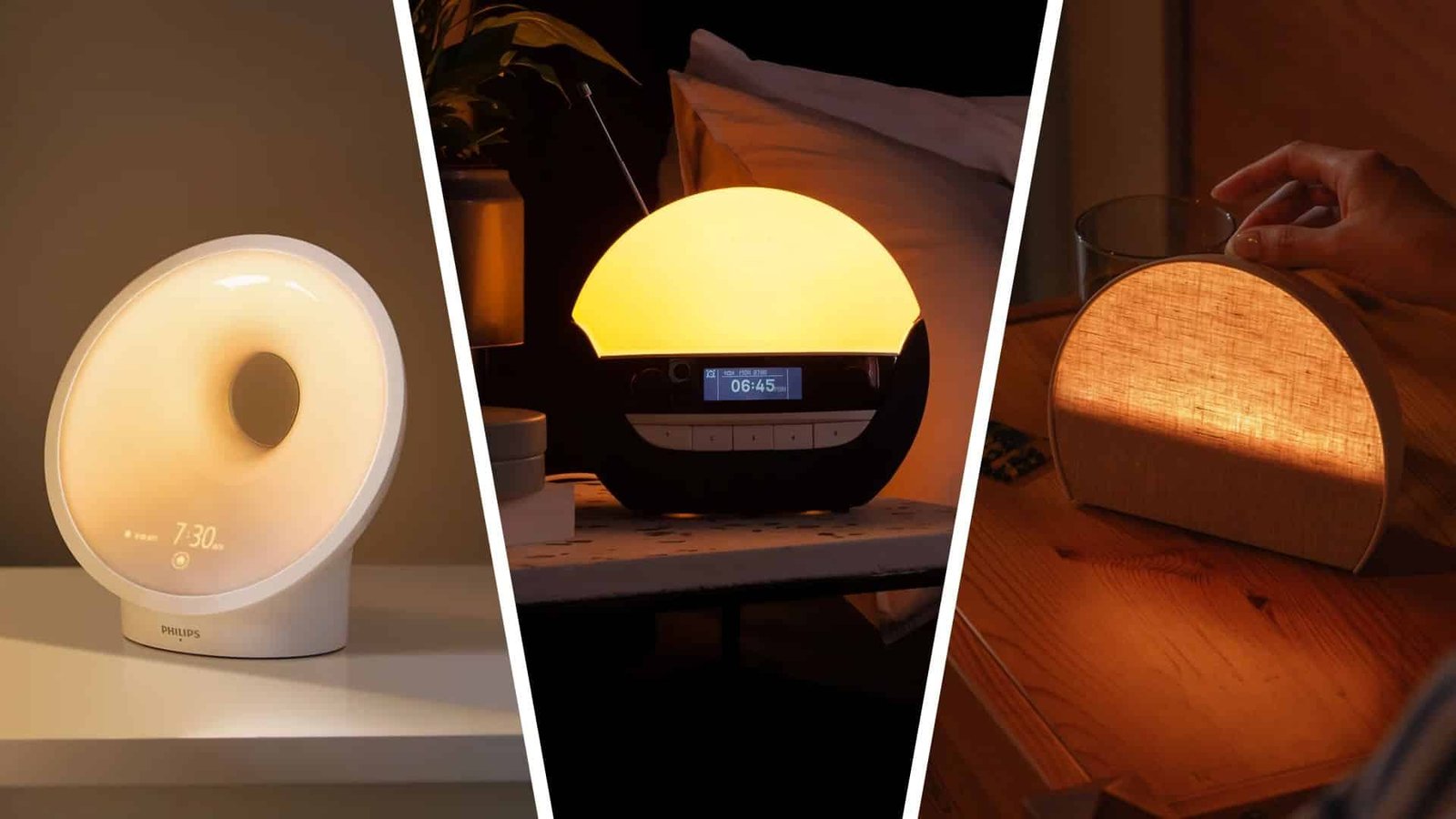
In the modern era of high-performance computing and hyper-connected professional environments, the most significant productivity gains often arrive not from massive cloud-based AI models, but from the deliberate optimization of the human element within the technical stack. While enterprise-grade hardware focuses on throughput, latency, and thermal efficiency, the individual operator remains the ultimate bottleneck. This is where the integration of a high-fidelity wakeup light becomes a critical component of a professional’s hardware ecosystem. By leveraging circadian rhythm synchronization, this peripheral serves as a foundational tool for maintaining cognitive alertness, ensuring that the human processor is primed for the demands of complex, multi-threaded workflows before the first line of code is even written.
Technical Specifications and Architectural Breakdown
At its core, a professional-grade wakeup light is an exercise in precise light-spectrum engineering. Unlike standard ambient lighting, these devices utilize a high-density array of LEDs calibrated to specific color temperatures—typically ranging from 1,800K (simulating a soft, pre-dawn glow) to 6,500K (mimicking the high-intensity clarity of midday sun). The architectural objective is to suppress melatonin production while stimulating cortisol release through the retinohypothalamic tract.
From an engineering perspective, the device’s efficacy relies on its dimming curve and spectral power distribution. High-end units employ pulse-width modulation (PWM) frequencies significantly higher than the human flicker-fusion threshold to prevent ocular fatigue or headaches. The hardware controller manages a gradual transition, often programmable via localized firmware, which ensures that the transition from a dark environment to a peak-intensity state occurs over a 20 to 45-minute window. This prevents the physiological shock associated with traditional alarm systems, which often trigger an acute stress response that can degrade cognitive performance for hours.
Furthermore, current-generation models are increasingly incorporating localized logic controllers that allow for offline scheduling. By decoupling the light’s operation from cloud-based servers, users ensure consistent performance regardless of network latency or internet outages. This emphasis on local execution mirrors the broader industry shift toward edge computing, where reliability and operational autonomy are prioritized over dependency on external data centers.
Industry Landscape and Competitive Comparison
The market for light-based circadian management has matured from novelty consumer goods into a specialized segment of the wellness-technology sector. Technical professionals, particularly those working in high-stakes environments like software development, cybersecurity, or quantitative finance, are increasingly viewing these devices as essential infrastructure. When comparing current offerings, the primary differentiators are spectral accuracy, UI/UX for scheduling, and the integration of secondary sensory inputs, such as white noise or haptic feedback.
| Feature | Legacy Alarm Clock | Entry-Level Wakeup Light | Professional-Grade Smart Light |
|---|---|---|---|
| Spectral Control | None | Fixed Spectrum | Full-Spectrum/Tunable |
| PWM Frequency | N/A | Low (Visible Flicker) | High (>3000Hz) |
| Offline Autonomy | Yes | Limited | Full (Local Storage) |
| Connectivity | None | Bluetooth | API/Local Network API |
Practical Consumer & Enterprise Takeaways
For the technical professional, the decision to integrate a wakeup light should be viewed through the lens of operational efficiency. Just as one might invest in a high-refresh-rate monitor to reduce eye strain or a mechanical keyboard to improve input accuracy, a wakeup light is an investment in the “human machine.”
When selecting a unit, prioritize hardware that offers granular control over the dimming curve. Avoid devices that rely exclusively on mobile applications, as these introduce unnecessary points of failure and privacy concerns. Instead, seek hardware that allows for physical interface adjustments or local network integration via protocols like MQTT or Home Assistant. This ensures that the device remains functional even during system maintenance or network downtime. Furthermore, consider the physical footprint and thermal management; high-intensity LED arrays generate heat, and a well-designed chassis with passive cooling is essential for maintaining the longevity of the light-emitting diodes.
The cost-benefit analysis is straightforward: the reduction in “sleep inertia”—the groggy state that hinders decision-making in the early hours—translates directly to higher-quality output during peak computational periods. By stabilizing the start of the daily cycle, professionals can achieve a more predictable and sustained level of cognitive throughput.
Frequently Asked Questions
How does a wakeup light differ from simply turning on a standard bedroom lamp?
Standard lamps typically utilize a fixed color temperature and lack the sophisticated dimming circuitry required to simulate a natural sunrise. A wakeup light is engineered with a specific spectral output designed to trigger biological responses, utilizing high-frequency PWM to eliminate flicker that can cause subconscious irritation.
Is there a risk of dependency on this technology for sleep health?
The device acts as a synchronization tool rather than a replacement for natural sleep cycles. It is designed to reinforce, not replace, the body’s innate circadian rhythms. Once a consistent routine is established, many users find that their internal clocks adjust, though the device remains useful for maintaining consistency during seasonal shifts in daylight.
Does this hardware require ongoing cloud subscriptions to function?
While some consumer-grade devices mandate cloud connectivity for advanced features, the most robust professional-grade hardware operates entirely on local firmware. We recommend selecting devices that offer a “local-only” mode to ensure data sovereignty and operational continuity.
The Bottom Line
In the pursuit of peak professional performance, the hardware on our desks is only as effective as the operator behind it. A wakeup light represents a sophisticated, evidence-based approach to managing the most critical component of any technical workflow: the human brain. By prioritizing light-spectrum precision, local control, and robust hardware design, professionals can mitigate the physiological hurdles that impede productivity. While it may seem unconventional to categorize a lighting peripheral alongside processors and enterprise software, the data suggests that for those operating in high-demand environments, the wakeup light is a necessary, and increasingly essential, piece of the modern productivity stack.