
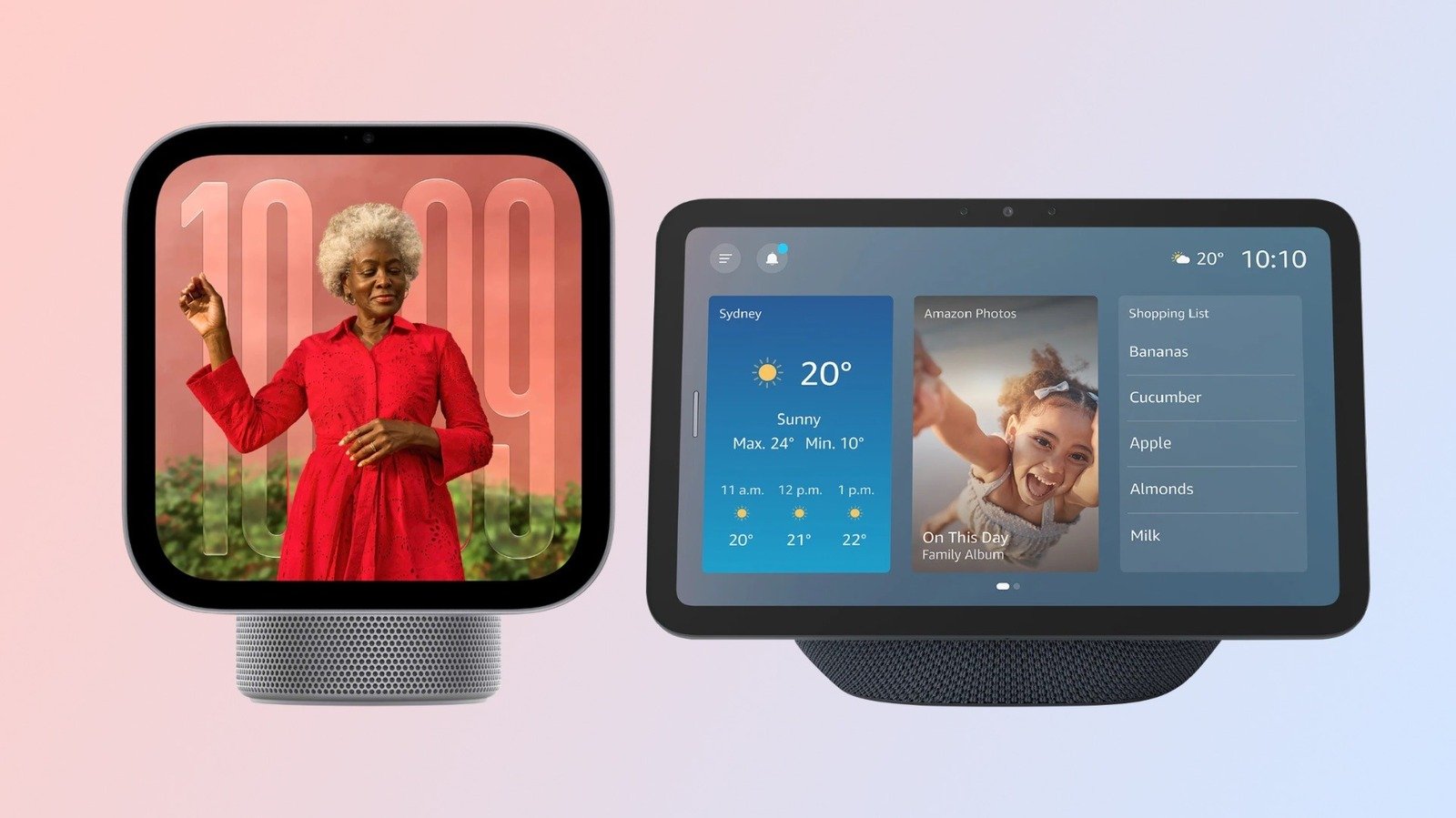
Technical Specifications and Architectural Breakdown
The engineering philosophy behind the Apple HomeView represents a departure from the industry standard of using low-cost, efficiency-tuned ARM processors. At the heart of the device lies the A18 chip, the same silicon powering the iPhone 16. This inclusion is significant because it shifts the paradigm from cloud-dependent smart displays to edge-computing hubs. By offloading voice recognition, image processing, and complex automation routines to the local A18 chip, Apple eliminates the latency typically associated with server-side processing.
From a hardware perspective, the device utilizes a Neural Engine capable of performing trillions of operations per second, which allows for real-time video analysis and advanced facial recognition without transmitting sensitive data to external servers. This architecture supports a fluid, high-refresh-rate interface that renders UI transitions with a level of smoothness previously unseen in the category. While the Echo Show series relies on custom-designed, task-specific silicon optimized for video streaming and basic IoT triggers, the Apple HomeView is essentially a high-performance computer masquerading as a wall-mounted display. The thermal management system, despite the A18’s efficiency, is more robust than its competitors, ensuring that the device maintains peak performance during sustained tasks like multi-camera security monitoring or high-fidelity video conferencing.
Industry Landscape and Competitive Comparison
The current market for smart displays is bifurcated between budget-conscious entry points and specialized wall-mounted units. Amazon has successfully captured the volume market by offering a wide range of price points, from the accessible Echo Show 5 to the expansive 21-inch Echo Show. Apple, conversely, is positioning the HomeView as a premium anchor for the HomeKit ecosystem. While Amazon’s strategy prioritizes breadth of utility, Apple focuses on depth of integration, particularly for users already invested in the Apple ecosystem.
| Feature | Apple HomeView | Amazon Echo Show 15 |
|---|---|---|
| Processor | Apple A18 (6-core CPU) | AZ2 Neural Edge |
| Primary OS | HomeOS (iOS-derived) | Fire OS |
| Local Processing | Full (Siri, FaceID, Automation) | Limited (Voice commands only) |
| Privacy Focus | Hardware-level encryption | Cloud-based telemetry |
The disparity in hardware capabilities dictates the user experience. Amazon’s Echo Show is designed to be an extension of the Alexa retail and media platform, often serving as a billboard for Amazon services. The Apple HomeView is designed as a control center. Its interface is less concerned with content consumption and more focused on the status of the home, utilizing the A18’s power to manage complex, multi-device “scenes” that would cause traditional smart displays to stutter or lag.
Practical Consumer & Enterprise Takeaways
For the average consumer, the decision to adopt the Apple HomeView rests on existing hardware investment. If a household is already populated with iPhones, iPads, and HomePods, the HomeView acts as a logical, albeit expensive, upgrade. The ability to hand off media, manage HomeKit-enabled security cameras with near-zero latency, and utilize the device as a high-quality intercom system provides a seamless experience that the Echo Show struggles to replicate. However, the cost of entry is substantially higher, and the device lacks the cross-platform flexibility that Amazon offers.
For enterprise users, particularly those managing small offices or boutique hospitality spaces, the Apple HomeView offers a secure, localized interface for controlling lighting, climate, and security. The privacy advantages of the A18 chip, which keeps sensitive video feeds and voice data local, provide a compelling argument for businesses concerned with data sovereignty. Conversely, those requiring deep integration with third-party, non-Apple enterprise software may find the closed nature of the Apple ecosystem restrictive compared to the more open, albeit less secure, Alexa API.
Frequently Asked Questions
Does the Apple HomeView support non-Apple smart home accessories?
Yes, the device fully supports the Matter standard. This allows it to communicate with a wide range of third-party smart bulbs, locks, and sensors, provided they are Matter-certified, effectively decoupling the display from being an Apple-only hardware controller.
Is the A18 chip overkill for a smart display?
While the A18 is undeniably powerful, its inclusion is intentional. Beyond basic UI navigation, the chip enables advanced on-device machine learning for real-time video processing, such as recognizing family members and triggering personalized home settings. It ensures the device remains performant for years, avoiding the planned obsolescence often seen in lower-powered smart displays.
How does the privacy of the Apple HomeView compare to the Echo Show?
Apple’s approach is built on local processing. Most voice commands and biometric data are processed on the device itself. Amazon’s Echo Show relies heavily on cloud-based processing, which requires sending audio and video streams to servers for analysis, creating a wider surface area for potential data exposure.
The Bottom Line
The Apple HomeView is a calculated strategic maneuver that elevates the smart display from a secondary peripheral to a primary home controller. By leveraging the A18 chip, Apple has successfully differentiated its product through sheer performance and on-device intelligence, effectively creating a “pro” tier in a market previously defined by commodity hardware. While Amazon continues to lead in market penetration and price variety, Apple has established a new benchmark for quality and privacy. For those who prioritize a seamless, secure, and responsive smart home experience, the HomeView is the new standard-bearer, provided the user is willing to pay the premium for an ecosystem-integrated future.