
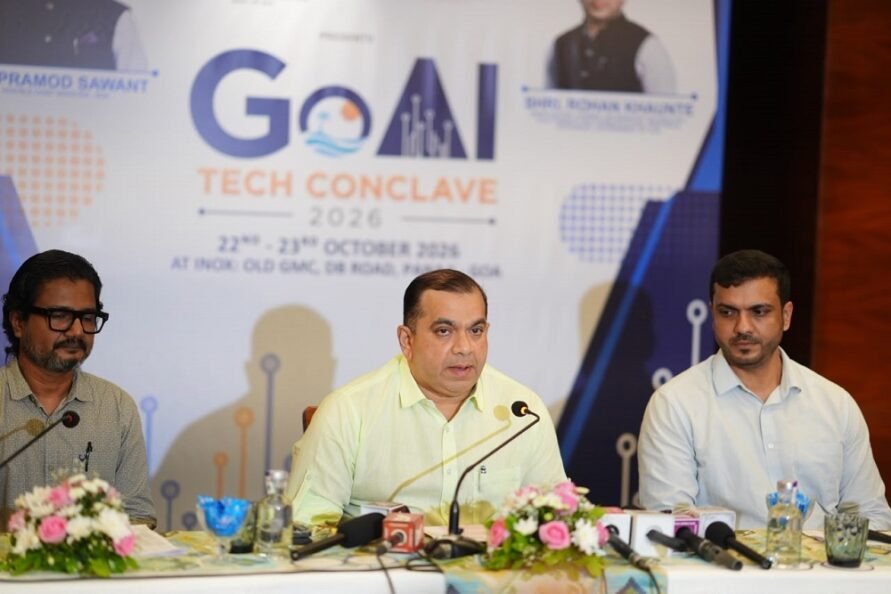
The global race to integrate artificial intelligence into public infrastructure has shifted from speculative pilot programs to a search for stable, scalable deployment environments. As regulatory bodies worldwide scramble to draft frameworks for machine learning, the state of Goa is positioning itself as a primary testing ground for these technologies. The upcoming Goa AI Tech Conclave, scheduled for October 22-23, represents a pivot from traditional conference models that favor abstract policy debates toward a pragmatic, engineering-first approach. By focusing on the intersection of ethical machine learning and real-world software delivery, the event aims to establish a blueprint for how regional governments can manage high-impact automation without sacrificing data integrity or public trust.
Technical Specifications and Architectural Breakdown
At its core, the Goa AI Tech Conclave is organized around the technical requirements of deploying Large Language Models (LLMs) and predictive analytics in resource-constrained environments. The event focuses on four primary architectural pillars designed to ensure that AI integration remains both performant and secure.
First, the conclave prioritizes the implementation of decentralized data pipelines. Engineering teams are looking at edge computing models that process sensitive public data locally rather than routing traffic to centralized cloud servers. This reduces latency and minimizes the attack surface for data breaches. Second, the event highlights the adoption of “privacy-by-design” frameworks, utilizing differential privacy techniques to ensure that training datasets cannot be reverse-engineered to identify individual citizens.
Third, there is a focus on model observability. Developers are moving away from “black-box” AI systems toward interpretability layers—tools that allow engineers to trace the decision-making path of an algorithm. This is critical for governance, where automated decisions regarding resource allocation or service eligibility must be auditable. Finally, the conclave addresses the challenge of scaling natural language processing for multilingual environments. By focusing on lightweight, modular architecture, the organizers are encouraging the development of models that can operate efficiently on lower-tier hardware, preventing the need for massive, energy-intensive data centers.
Industry Landscape and Competitive Comparison
Regional AI summits often fall into the trap of being “talk shops”—events characterized by high-level keynote speeches that lack actionable technical takeaways. The Goa AI Tech Conclave distinguishes itself by prioritizing interactive workshops and live demonstrations of software stacks. While neighboring regions have often pursued fragmented regulatory strategies, Goa is attempting to create a centralized, predictable environment for developers. This approach is designed to attract foreign direct investment by offering a stable, transparent regulatory sandbox.
The following table compares the strategic focus of the Goa AI Tech Conclave against typical regional tech summits and traditional enterprise-only conferences.
| Feature | Goa AI Tech Conclave | Standard Regional Summits | Enterprise-Only Conferences |
|---|---|---|---|
| Primary Focus | Practical Deployment | Policy/Theoretical | Vendor Sales/Marketing |
| Audience | Devs, Startups, Policymakers | Government Officials | C-Suite Executives |
| Output | Operational Benchmarks | White Papers | Product Roadmaps |
| Regulatory Stance | Proactive Sandbox | Fragmented/Reactive | Industry Self-Regulation |
Practical Consumer & Enterprise Takeaways
For startup founders and enterprise engineering leads, the conclave serves as a primary indicator of where the regulatory goalposts are moving. The push toward “responsible AI” is no longer just a corporate social responsibility talking point; it is becoming a functional requirement for government contracts and public sector partnerships. Organizations that align their development stacks with the standards discussed at the conclave—specifically regarding data sovereignty and model auditability—will likely face fewer hurdles when seeking to scale their operations across the subcontinent.
For developers, the advice is to focus on interoperability. The conclave emphasizes that proprietary, siloed AI systems are increasingly viewed as a liability. Instead, the industry is trending toward open-source frameworks that allow for easier integration and third-party security auditing. Attendees should pay close attention to the sessions on “ethical machine learning frameworks,” as these will define the compliance checklists for future software procurement processes. If your team is currently building an AI-driven product, now is the time to ensure your documentation and model transparency protocols are robust enough to withstand the scrutiny these new standards will impose.
Frequently Asked Questions
How does this conclave differ from standard industry trade shows?
Unlike trade shows that focus on marketing new hardware or software products, the Goa AI Tech Conclave is structured as a technical workshop. The emphasis is on the “how” rather than the “what,” with sessions dedicated to solving specific engineering challenges related to ethics, security, and scalability in public-facing software.
Will the standards discussed be mandatory for all regional startups?
While the conclave is not an immediate regulatory body, it provides the framework that state officials are using to draft future procurement policies. Startups that align with these standards now will be significantly better positioned to win government contracts and navigate the evolving compliance landscape in the coming years.
Is this event relevant for developers working outside of public services?
Yes. The technical challenges of ensuring model security, data privacy, and ethical output are universal. Developers working in fintech, healthcare, and retail will find the workshops on secure data pipelines and model interpretability highly applicable to their own commercial software delivery pipelines.
The Bottom Line
The Goa AI Tech Conclave is a significant test of whether a regional government can successfully bridge the gap between academic research and commercial software delivery. By creating a structured environment that prioritizes practical, ethical, and secure AI deployment, the organizers are attempting to move beyond the hype cycle that currently dominates the tech sector. For the developer community and enterprise stakeholders, the event offers a rare opportunity to influence and understand the regulatory standards that will govern software development for the foreseeable future. If the state can successfully translate these policy frameworks into actual, deployed systems, it will set a compelling precedent for other regions looking to balance innovation with public safety.