
Nvidia RTX Spark Outpaces Rivals in Local AI Benchmarks
The Nvidia RTX Spark platform has officially arrived, promising to redefine portable compute for serious developers and AI researchers. While many laptops struggle with demanding local models, these builder-class systems integrate potent CPUs and massive unified memory to handle heavy workloads. However, the premium pricing, which climbs well past $6,000 for top-tier configurations, suggests these machines are targeted exclusively at power users who prioritize raw performance over budget constraints.
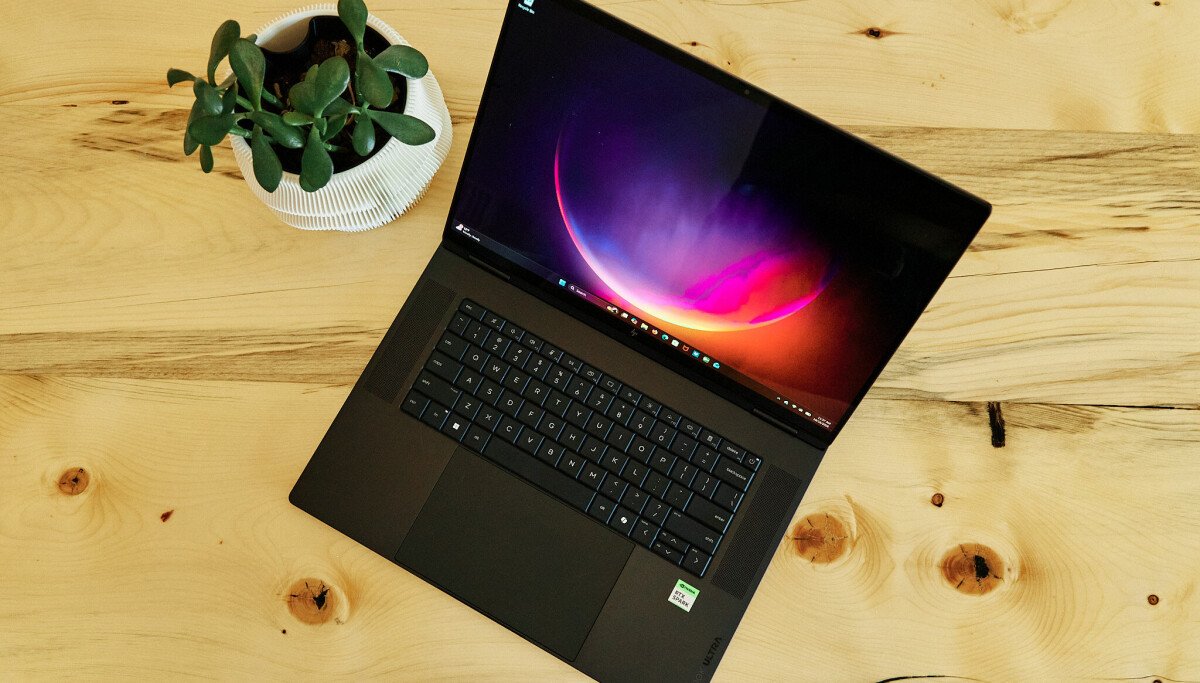
Specifically, the HP OmniBook Ultra serves as a primary showcase for the Nvidia RTX Spark architecture. During our rigorous testing, it outperformed nearly every other Windows-based notebook currently on the market. For professionals who require high VRAM capacity and prefer the CUDA ecosystem over alternatives like AMD’s ROCm, this hardware provides an unmatched foundation for agentic AI tasks. Furthermore, the system manages thermal output effectively, ensuring that the 20-core N1X SoC maintains peak performance during extended model inference cycles.
Design Choices in the Nvidia RTX Spark Ecosystem
Beyond the internal silicon, the physical design of the Nvidia RTX Spark systems reflects a premium focus. The OmniBook Ultra features a stunning 2880×1800 OLED touchscreen that offers exceptional color accuracy for creative professionals. Although some users remain skeptical of touch interfaces on professional-grade hardware, the implementation here feels intuitive and well-integrated. Additionally, the hinge mechanism is cleverly positioned to avoid blocking the rear exhaust vents, which is crucial given the high heat output of the onboard processors.
Moreover, HP has opted for a traditional keyboard layout rather than the low-profile chiclet style found on many competitors. This design choice results in a satisfying tactile experience for long-form typing tasks. The haptic trackpad is equally impressive, offering precision and responsiveness that justifies the luxury price point. While the onboard speakers powered by Cirrus Logic amplifiers sound excellent, they do not quite reach the acoustic depth of Apple’s flagship MacBook Pro lineup. Nevertheless, the overall build quality establishes the Nvidia RTX Spark platform as a serious contender for the premium notebook market.
Final Verdict on Nvidia RTX Spark Hardware
Ultimately, the value proposition of the Nvidia RTX Spark remains subjective. If your workflow demands extensive local compute power without relying on cloud-based APIs, the investment may be justified. On the other hand, casual users will likely find the entry price of $2,600 prohibitive. For those interested in the technical specifications, further details can be found at Nvidia’s official product page. In conclusion, these systems provide a glimpse into the future of high-performance local AI deployment, provided you have the budget to support it.
Nvidia Rtx Spark Market Impact and Industry Significance
The introduction of Nvidia Rtx Spark represents a pivotal shift in modern technological adoption across enterprise and consumer sectors alike. Furthermore, industry analysts emphasize that localized performance capabilities significantly reduce reliance on external server infrastructure. Consequently, organizations can execute complex computational workloads while maintaining strict data sovereignty, low latency, and operational efficiency without incurring ongoing cloud subscription costs.
Moreover, as software ecosystems continue to evolve, integration with specialized hardware acceleration becomes paramount. Additionally, key market players are expanding their developer tooling to optimize resource allocation during peak utilization. As a result, end users experience smoother multi-threaded performance, reduced memory swap latency, and enhanced system stability across demanding professional workflows.