
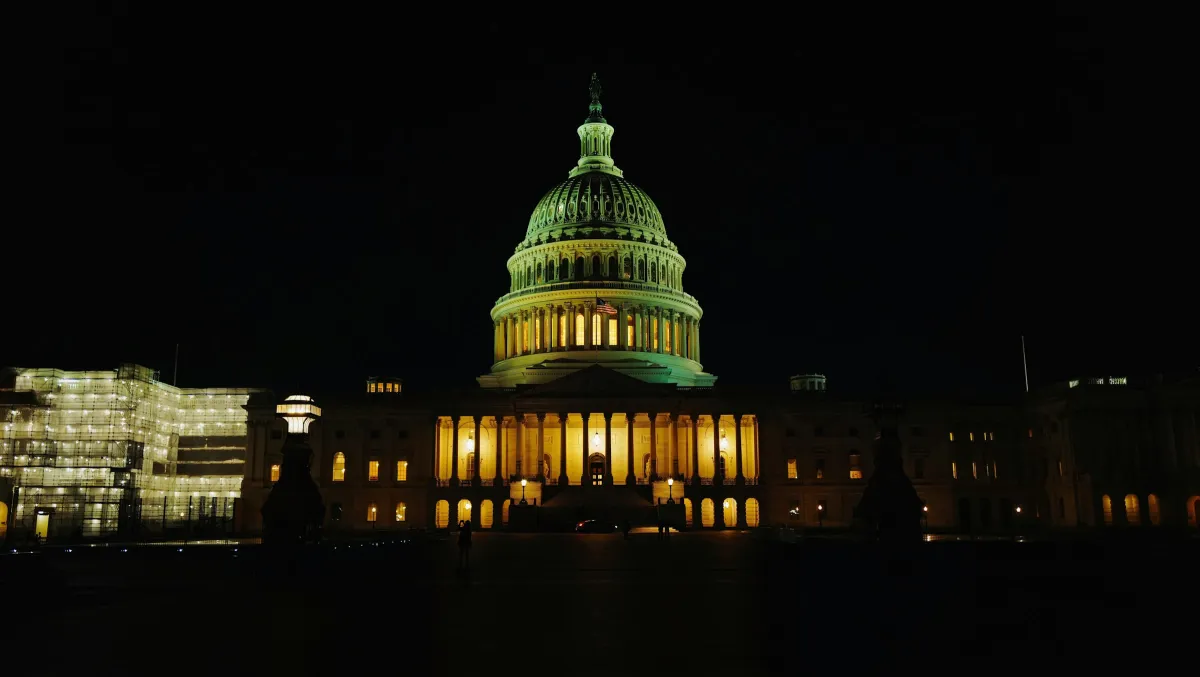
Local Voters Halt Massive Data Center Construction Plans
The recent midterm elections have transformed the data center into a high-stakes political battleground. With voters expressing deep concerns over the environmental and social costs of AI infrastructure, grassroots movements are successfully lobbying to halt planned facilities across the United States. This shift marks a notable departure from the previous era of unchecked growth for large-scale computing sites.
Data Center: The Rising Political Cost of AI Infrastructure
In many regions, the data center has become a symbol of corporate overreach. NBC exit polls indicate that nearly 80% of respondents oppose the construction of these facilities in their own neighborhoods. Furthermore, almost 60% of voters cited these massive computing hubs as a major factor in their ballot decisions. This sentiment is forcing politicians to reconsider their support for rapid AI expansion, as traditional campaign spending from pro-tech super PACs failed to sway local opinion.
For example, in Ohio, an entire county recently passed a ban on new data center projects. This decision directly impacts companies like Meta and OpenAI, which had eyed the region for massive investments. Analysts at Morgan Stanley suggest that this trend of localized resistance will continue, potentially delaying projects in states like Texas and Georgia as well.
Community Demands and Grid Upgrades
Beyond simple zoning, communities are demanding that tech giants pay for the necessary power grid upgrades instead of passing the financial burden to local taxpayers. The environmental impact is also a central concern, as highlighted by critics like Nadine Smith, who pointed to the emissions from gas turbines used to power AI supercomputers in residential areas. These data center sites are no longer viewed as purely beneficial economic engines but as neighbors that require strict regulation.
- Nearly 80% of voters oppose neighborhood facilities.
- Ohio counties are actively implementing construction bans.
- Goldman Sachs predicts significant project delays.
- Calls for developers to fund grid upgrades are growing.
What This Means for Future Tech Growth
The current political climate suggests that the rapid, unregulated expansion of the data center is coming to an end. Lawmakers are increasingly likely to support moratoriums or stricter environmental compliance laws. For tech companies, this means that future site selection will require far more community engagement and financial transparency. While the demand for AI processing power continues to grow, the ability to build the necessary infrastructure is now tied to the approval of the people living next door. Balancing national security needs with local quality of life remains the primary challenge for the industry moving forward.
For full official background and direct documentation, read the source coverage on techcrunch Reporting.