
Analog Photography Challenges AI Dominance in Daily Life
The ubiquity of automation has created a surprising counter-movement where professionals are rediscovering analog photography to reclaim their creative agency. While software can now fix framing or lighting in seconds, the tactile nature of film provides a distinct psychological reward. For many, the shift is not about rejecting progress but about curating a healthier balance between artificial convenience and human intent.
Analog Photography: The Tactile Appeal of Legacy Hardware
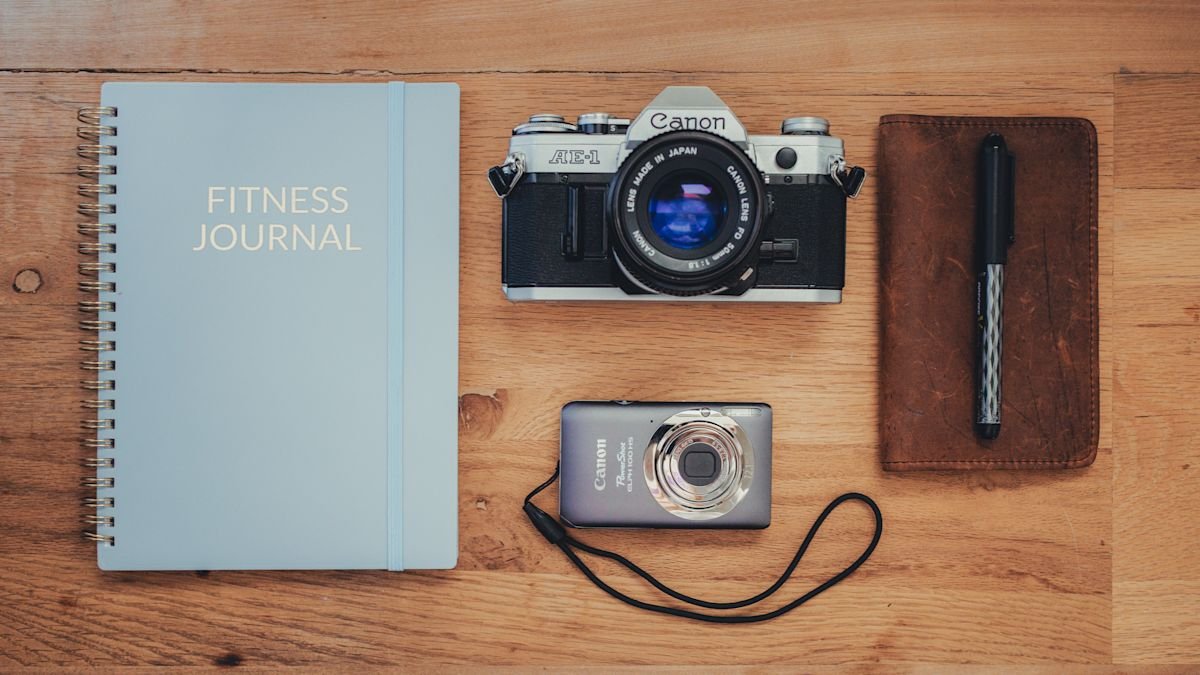
There is an undeniable satisfaction found in using legacy hardware like the Canon AE-1 or a classic Minolta XG-M. Unlike modern smartphone sensors that rely on computational processing, these devices require a mechanical understanding of light and shutter speed. This form of analog photography forces the user to slow down, making every shot a deliberate decision rather than a rapid-fire digital capture. While AI tools excel at optimizing pixels, they cannot replicate the physical sensation of advancing a roll of film.
Why Manual Processes Still Matter
- Deliberate Composition: Film limits the number of exposures, encouraging better framing.
- Chemical Permanence: The physical negative serves as a lasting archive of a moment.
- Skill Development: Understanding light meters builds foundational knowledge for all photographers.
Industry experts have noted that the resurgence of analog photography is often driven by a desire for unpredictability. In an age of perfection, the grainy, sometimes imperfect output of an expired roll of film feels authentic. It stands in stark contrast to the sterile, algorithmically corrected images that dominate social media feeds today.
Balancing Modern Tools with Offline Habits
Integrating analog photography into a modern workflow does not require abandoning digital convenience entirely. Many creators now use high-end AI editing for professional projects while reserving their weekends for film. This hybrid approach ensures that one can leverage the efficiency of software when necessary without losing the artistic satisfaction of traditional methods. It is about understanding when to let an algorithm handle the heavy lifting and when to rely on personal touch.
What This Means for Creative Professionals
The industry is currently seeing a shift where technology is viewed as a utility rather than a lifestyle. By embracing analog photography as a hobby, professionals are finding they can avoid burnout from constant screen time. As we look toward the future, the most successful creators will likely be those who can seamlessly navigate both the digital and physical worlds. The goal is to ensure that while our tools get smarter, our human connection to the craft remains intact.
For full official background and direct documentation, read the source coverage on Tech.yahoo.com Reporting.