
Freezer Hacks: Hackers Breach Medical Cold Rooms During Freezer Attacks
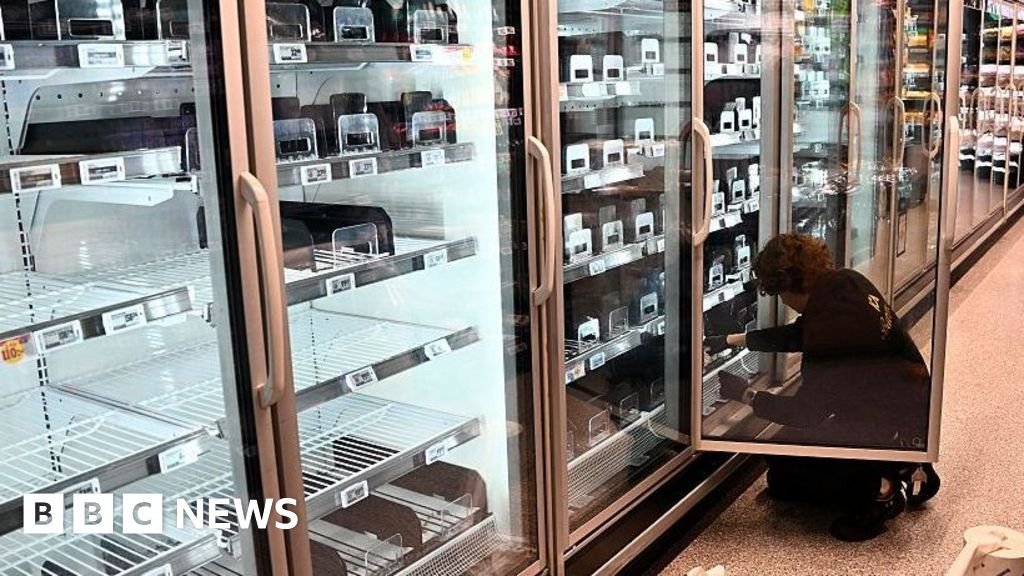
French medical facilities have recently faced a series of coordinated freezer hacks targeting critical blood storage units. While the French Blood Establishment (EFS) confirmed that temperatures in several cold rooms were manipulated by unknown actors, quick staff intervention ensured that no blood products were actually lost. This incident marks a significant escalation in the scope of attacks that previously plagued European supermarket chains.
The Growing Threat of Targeted Freezer Hacks
Security analysts are currently investigating whether these freezer hacks are the work of state-sponsored groups or decentralized hacktivists. While Russian-linked entities like Noname057(16) have claimed responsibility for attacks on industrial hardware manufacturers, experts remain cautious. Ryan Dewhurst, a researcher at Previdian, notes that the sophisticated nature of these attacks suggests a high level of planning. The perpetrators likely spent significant time mapping public IP addresses to create a precise target list before executing their digital assault.
The vulnerability often stems from poorly protected software with publicly available exploits. Because these devices are frequently managed via legacy systems, they present an easy target for bad actors looking to cause maximum disruption. Unlike generic malware, these freezer hacks appear to be timed for overnight execution, aiming to maximize damage by ensuring systems remained compromised for several hours before detection.
Deploying Honeypots to Trap Digital Intruders
To combat the rise of these freezer hacks, cybersecurity firms have deployed sophisticated ‘honeypots’. These digital decoys mimic vulnerable hardware to lure attackers into revealing their methods. By observing the traffic patterns directed at these fake systems, firms like Strathclyde-based Lupovis can monitor the hackers’ tactics in real-time without putting physical medical equipment at risk. This collaborative approach between security researchers and medical authorities is essential for identifying the fingerprints of the attackers.
Key Observations from Security Experts
- The attacks appear highly coordinated, suggesting advanced planning.
- Exploits utilized were based on known vulnerabilities, indicating a lack of basic security patching.
- Honeypot data reveals that scanning activity often precedes the actual breach by days.
- No direct health impact has been reported, thanks to manual oversight by medical staff.
The Bottom Line on Modern Infrastructure Security
As we move forward, the reality of these freezer hacks serves as a wake-up call for the healthcare sector. Securing industrial control systems is no longer optional. Medical facilities must prioritize patching known vulnerabilities and segmenting their networks to prevent unauthorized access to temperature-sensitive storage. For more information on emerging threats, visit TechOneApp for ongoing updates on digital infrastructure protection.