
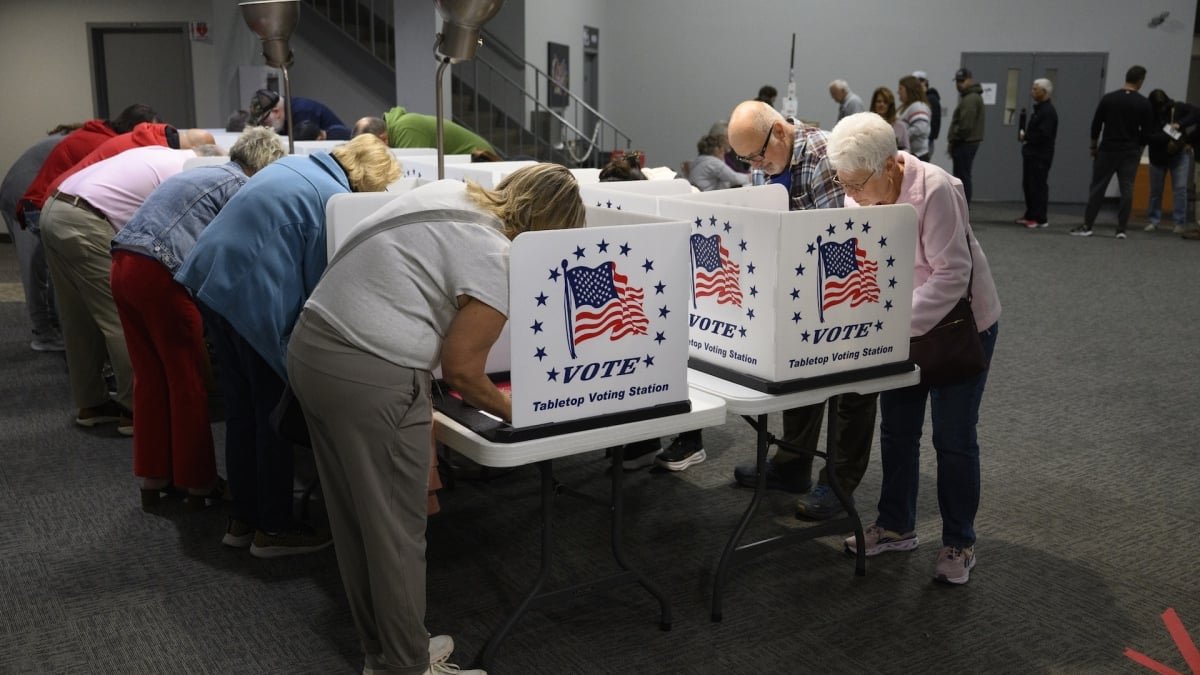
Voters Demand Strong AI Regulation After Midterm Results
The recent midterm elections delivered a decisive verdict on the future of technology, as voters overwhelmingly signaled a need for strong AI regulation. Across the country, candidates who prioritized public oversight of artificial intelligence and data center expansion saw significant success, marking a departure from previous hands-off policies. This shift represents a widespread public demand for accountability in an industry that has largely operated without traditional guardrails.
Strong AI Regulation: The Growing Backlash Against Big Tech
The push for strong AI regulation gained momentum following controversial moves by tech giants to integrate automated tools into sensitive environments. Hours before polls closed, Google confirmed it would maintain AI-driven search features in schools despite local opposition. This decision served as a flashpoint for many parents, who have grown increasingly wary of how these tools influence children. Exit polling from NBC News highlights this anxiety, noting that 65 percent of Democrats and 39 percent of Republicans identified AI and data center management as critical issues for their Congressional ballots.
Why Voters Are Concerned
- Public health and environmental impacts of massive data centers.
- Lack of transparency regarding AI usage in K-12 classrooms.
- Rising electricity costs linked to local computing infrastructure.
- Safety concerns regarding AI-driven medical and social interactions.
These concerns led to the approval of over 40 measures aimed at slowing or banning data center growth. Candidates like Michigan senator-elect Abdul El-Sayed successfully campaigned on platforms focused on strong AI regulation, defeating opponents who remained closely aligned with Silicon Valley interests. Analysts suggest this outcome is a direct rebuke of the pro-industry lobbying that defined the previous election cycle.
From Executive Orders to Legislative Rebuke
The tension between federal policy and local sentiment has been brewing for months. In December 2025, the Trump administration attempted to discourage state-level oversight by threatening to withhold federal funding from states that passed what it termed ‘onerous’ AI laws. However, that strategy appears to have backfired. Instead of retreating, states like New York have doubled down, with Governor Kathy Hochul signing some of the most aggressive chatbot legislation in the nation just days before the election.
This legislative activity underscores that strong AI regulation is no longer a fringe issue but a core pillar of modern policy. As Michael Kleinman from the Future of Life Institute stated, voters are demanding accountability to address the risks posed by unchecked development. With the election cycle concluded, the focus now shifts to how federal lawmakers will reconcile these competing pressures.
The Bottom Line for Future Policy
What this means going forward is a period of intense scrutiny for both tech executives and legislators. Companies can no longer assume that massive donations will shield them from public scrutiny. For consumers, the demand for strong AI regulation suggests that the next few years will see tighter controls over data center locations and stricter requirements for AI implementation in public sectors like education.
For full official background and direct documentation, read the source coverage on Mashable.com Reporting.