
Japanese Researchers Decode Happy Brain With New AI Tools
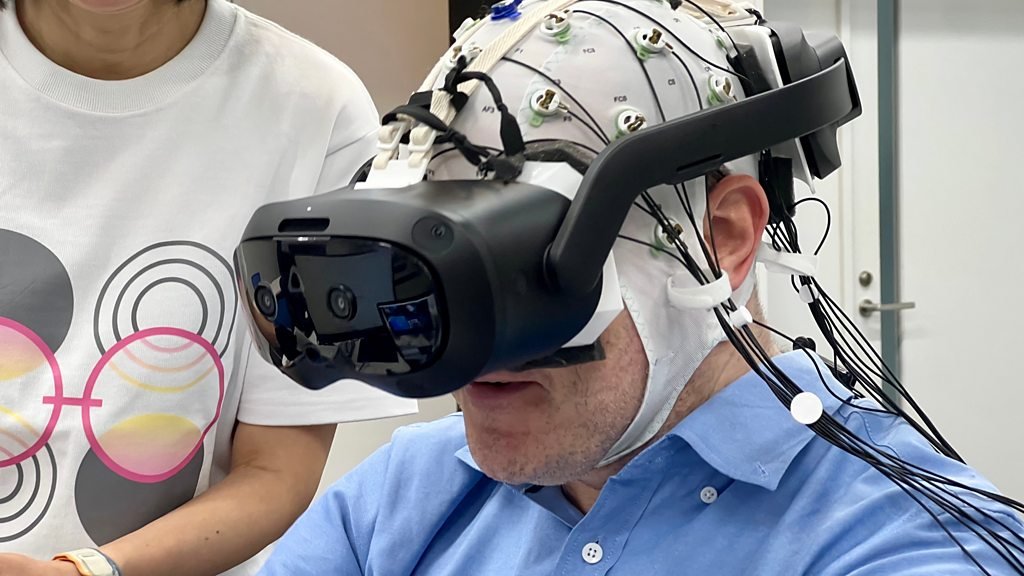
Japanese scientists are now mapping the happy brain using a combination of high-resolution neuro-scans, sophisticated AI algorithms, and immersive virtual reality exercises. The primary objective is to decode Maemuki, a specific forward-looking mindset that researchers believe acts as a biological buffer against psychological stress. By isolating the neural markers of a happy brain, the team aims to develop personalized interventions that could fundamentally shift how we approach mental health.
Happy Brain: Decoding the Maemuki Mindset Through Data
The study moves beyond traditional therapy by focusing on how physical variables—such as posture, breathing patterns, and even musical preferences—correlate with the happy brain states observed in trial participants. According to researchers, the happy brain is not merely a static biological condition but a dynamic process that can be triggered through external stimuli. Through the use of AI analysis, the team can identify subtle shifts in neural activity that occur when a subject engages with specific, forward-looking cognitive tasks.
Practical Applications for Mental Wellbeing
Unlike previous attempts to quantify mental health, this project focuses on actionable data. The researchers are currently testing how gaming environments can be used to reinforce positive neural pathways. Here are the key components of the current research framework:
- Neural Mapping: Using fMRI and AI to identify regions associated with resilience.
- Virtual Reality Integration: Creating environments that simulate challenges to measure the happy brain response.
- Biometric Feedback: Monitoring breathing and posture to predict emotional shifts in real-time.
By leveraging advanced neuro-technologies, the team is documenting how environmental changes contribute to long-term cognitive health. While the research is still in the experimental phase, the ability to decode the happy brain could lead to new software solutions for individuals struggling with anxiety or persistent negative thought patterns.
What This Means for Future Mental Health Tech
The shift toward using AI to decode emotional states represents a significant departure from standard psychological assessment tools. While traditional surveys often rely on subjective self-reporting, this hardware-driven approach provides objective biological data. Although the technology is not yet ready for consumer markets, the implications for wearable health devices are substantial. As the project matures, we may see a future where smart devices provide real-time guidance based on the biological signatures of a resilient and healthy mind.