
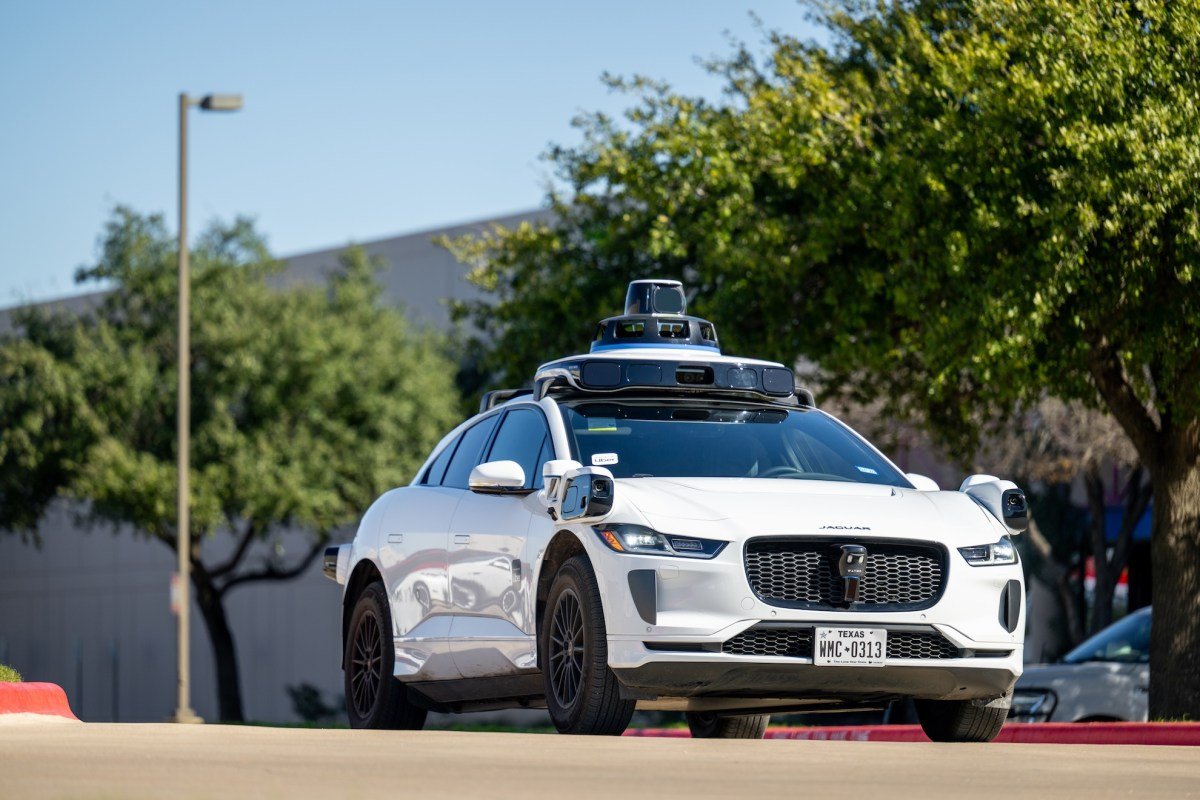
Waymo robotaxis Face Federal Probe Over Bus Safety Risks
Federal safety regulators are escalating their scrutiny of Waymo robotaxis following persistent reports of the vehicles illegally passing stopped school buses. Despite a software recall issued nearly a year ago, the National Highway Traffic Safety Administration (NHTSA) noted in a November 6 filing that many incidents occurred after the supposed fix was deployed. This development raises serious questions regarding the efficacy of current autonomous safety patches.
Why Waymo robotaxis Remain Under Regulatory Scrutiny
The NHTSA Office of Defects Investigation has initiated a formal recall query to assess whether the company’s previous software update was adequate. The initial probe began in October 2025 after video footage surfaced showing a vehicle maneuvering around a bus with its stop sign extended and lights flashing in Atlanta. Since then, authorities have documented multiple similar instances in Austin, where Waymo robotaxis continue to operate alongside public school transportation.
The Austin Independent School District reported at least five specific incidents involving these autonomous vehicles. These sightings suggest that the software update, which was intended to be completed by November 17, 2025, has failed to address the edge cases where the vehicles interact with school buses. The core issue involves the autonomous system failing to recognize the legal requirements associated with stationary buses that are actively loading or unloading students.
Technical Challenges Facing Autonomous Fleets
- NHTSA is investigating the adequacy of the November 2025 software remedy.
- Multiple incidents documented in Austin after the recall update was deployed.
- The investigation focuses on specific interactions with school buses and flashing red lights.
- Regulatory officials are demanding further proof of safety compliance from the company.
Compared to human-driven vehicles, which are trained to recognize the universal visual cues of a stopped school bus, Waymo robotaxis appear to struggle with the nuance of complex urban maneuvers. While other autonomous developers like Zoox or Tesla’s FSD suite face their own regulatory hurdles, the specific failure of Waymo robotaxis to maintain compliance after a recall is a significant setback for the company. The industry is currently watching to see if a secondary software update will suffice or if more structural changes to the driving logic are required.
The Bottom Line for Future Mobility
For commuters and parents, this investigation serves as a reminder that autonomous technology is still in a refinement phase. While Waymo robotaxis represent a leap forward in transportation, the inability to consistently adhere to fundamental school zone safety laws is a point of concern. Regulators will now decide if the existing software architecture is capable of handling these scenarios or if additional sensor input and logic overrides are necessary to ensure the safety of children on the road.