
Tensions Rise as EU Budget Battle Takes Center Stage
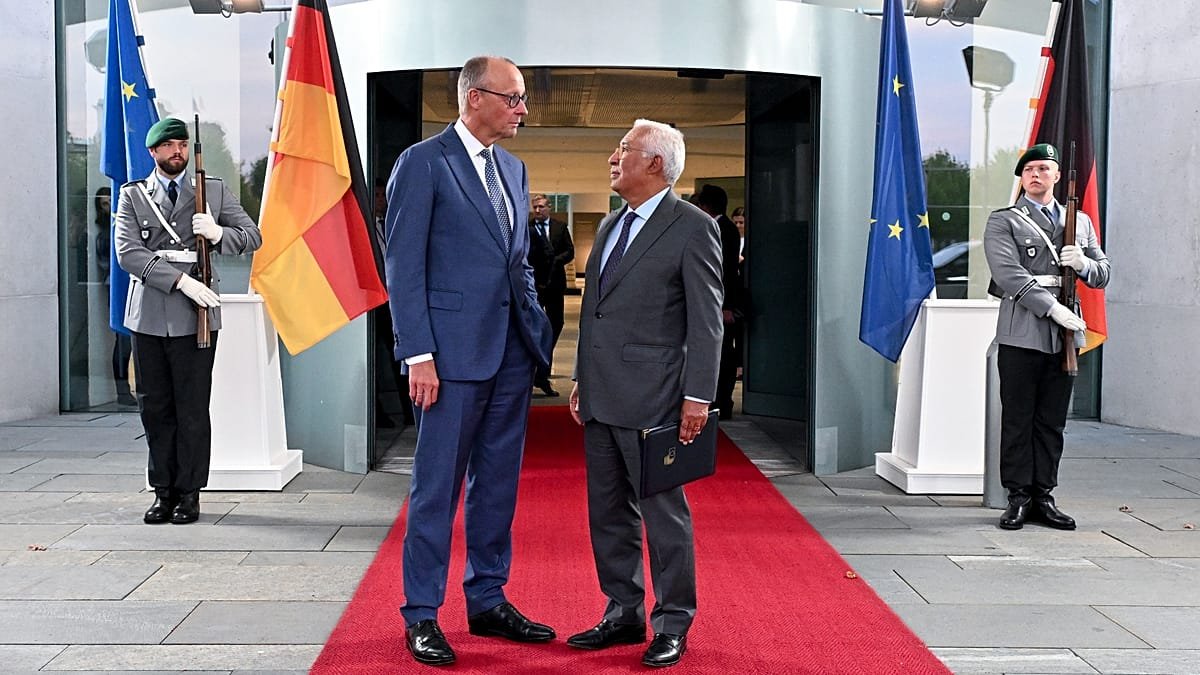
The EU budget battle has reached a critical boiling point following a high-stakes ultimatum issued by German Chancellor Friedrich Merz. By explicitly linking the approval of the next European Union budget to a definitive commitment for Ukraine financial aid, Merz has forced a confrontation that Council President António Costa is now scrambling to manage. This EU budget battle now threatens to stall legislative processes across the continent as member states weigh their security obligations against domestic economic pressures.
Costa Moves to De-escalate the EU Budget Battle
In response to the growing friction, António Costa has written to Merz, attempting to steer the conversation toward the upcoming special summit in Brussels. While Merz pushed for a debate during the informal Dublin gathering, Costa is aiming to delay the discussion until the European Commission presents formal proposals regarding Ukraine’s estimated €70 billion financial shortfall. The EU budget battle remains complex, as the bloc has pledged to cover approximately €45 billion of this gap, with joint debt instruments serving as a controversial, though leading, solution.
Defining the Core Financial Risks
The current impasse highlights deep divisions within the bloc. Merz argues that supporting Ukraine is an essential prerequisite for any long-term fiscal planning. However, the EU budget battle has drawn sharp criticism from nations like Slovakia, Hungary, Bulgaria, and the Czech Republic. Slovak Prime Minister Robert Fico has characterized the ultimatum as a form of blackmail, reflecting the resistance from states seeking to opt out of future loan obligations. The following points summarize the core tensions:
- The EU must address a €70 billion financial gap in Ukraine.
- Merz demands a binding aid agreement before approving the broader budget.
- Four member states have publicly rejected the ultimatum as coercive.
- Proposed solutions involve joint debt issuance to cover the €45 billion share.
What This Means for European Fiscal Stability
This EU budget battle represents a shift in how the bloc handles collective security and financial solidarity. Historically, the EU has relied on consensus-based decision-making, but this recent ultimatum challenges the sustainability of that model. If a resolution is not reached, the administrative functions of the union could face significant delays, impacting everything from infrastructure projects to research funding. Investors and policy analysts are closely watching the Brussels summit, as the outcome will dictate the Union’s financial direction for the coming years.
The Bottom Line
The outcome of this EU budget battle will likely determine the future of joint debt instruments in Europe. While some nations see this as a necessary step to maintain regional security, others fear that linking these issues permanently ties their fiscal sovereignty to unpredictable geopolitical needs. As the summit approaches, the pressure on Costa to find a middle ground that satisfies both the German demand for security and the resistance from smaller member states continues to mount.
For full official background and direct documentation, read the source coverage on Euronews.com Reporting.