
Technical Specifications and Architectural Breakdown
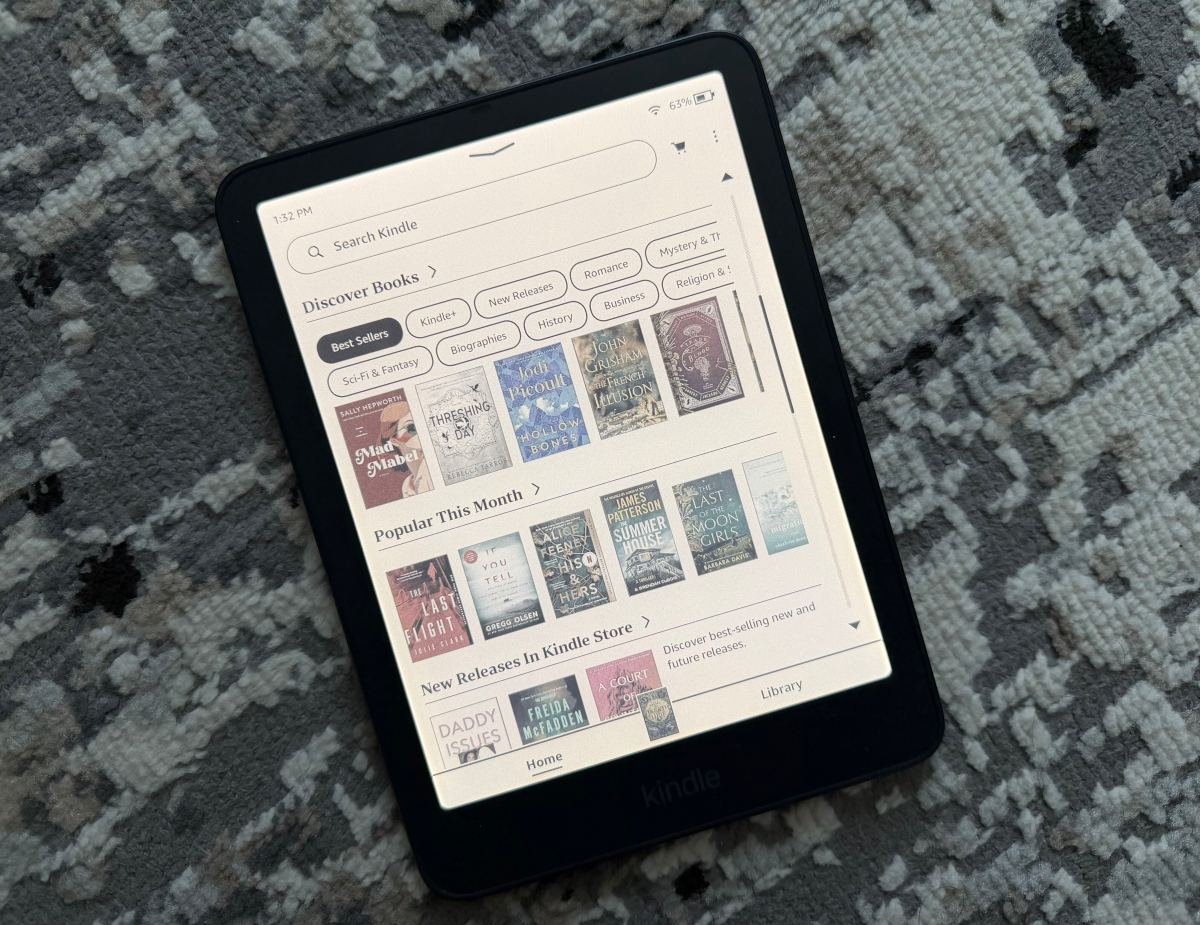
The engineering philosophy behind the Kindle Colorsoft centers on the integration of E Ink’s Kaleido 3 technology. This display architecture utilizes a color filter array positioned over a high-resolution monochrome backplane. The result is a 7-inch display that maintains a crisp 300 pixels per inch (ppi) for black-and-white text, ensuring that the primary function of the Kindle remains uncompromised. However, when rendering color, the resolution drops to 150 ppi. This technical limitation is a byproduct of the sub-pixel layout required to produce color, which effectively halves the addressable resolution for chromatic content.
Unlike traditional LCD or OLED panels, the Colorsoft does not emit light directly into the user’s eyes in the same manner as a smartphone. Instead, it employs a front-lighting system that directs illumination across the surface of the display. Amazon has optimized the light guide layer to minimize the “screen-door” effect often associated with earlier color E-Ink iterations. Power management remains a focal point, though the added complexity of the color layer impacts the battery profile. While monochrome Kindles have reached the 10-week threshold, the Colorsoft is rated for approximately 8 weeks. This reduction is attributed to the increased processing overhead required for color rendering and the more power-intensive front-light array required to maintain visibility through the color filter.
Industry Landscape and Competitive Comparison
The e-reader market has matured into a bifurcated ecosystem: one side prioritizes focused, distraction-free reading, while the other leans toward multimedia consumption. By entering the premium color space, the Kindle Colorsoft finds itself competing against established players like Kobo and Onyx Boox, as well as Amazon’s own internal lineup. Consumers must weigh the benefits of the Amazon ecosystem against the open-platform flexibility offered by competitors.
| Feature | Kindle Paperwhite | Kindle Colorsoft | Kobo Libra Colour |
|---|---|---|---|
| Display | 6.8″ B&W E-Ink | 7″ Color E-Ink | 7″ Color E-Ink |
| Resolution (Color) | N/A | 150 ppi | 150 ppi |
| Battery Life | 12 Weeks | 8 Weeks | Up to 40 Days |
| Price | $150 | $290 | $220 |
The comparison reveals a stark reality: the Kindle Colorsoft carries a significant price premium over both the standard Paperwhite and the Kobo Libra Colour. While the Amazon ecosystem provides seamless integration with the Kindle Store and Audible, the higher cost of entry requires users to place a high premium on color-coded highlights and cover art visualization. For the average reader, the Paperwhite remains the superior value proposition, whereas the Colorsoft targets a specific demographic of graphic novel enthusiasts and academic researchers who rely on color-coded annotations.
Practical Consumer & Enterprise Takeaways
For most consumers, the decision to upgrade to the Kindle Colorsoft should be predicated on usage patterns rather than hardware novelty. If your library consists primarily of prose novels, the technical advantages of the Colorsoft are negligible. The muted color palette—which lacks the saturation of a standard tablet—is designed for readability rather than high-fidelity media consumption. Consequently, those expecting an iPad-like experience for video or high-resolution photography will be disappointed by the slower refresh rates and limited color gamut.
However, for enterprise users or students who utilize highlighting as a primary study tool, the Colorsoft offers a tangible productivity boost. The ability to categorize notes and passages by color is a feature that has long been requested by power users. Furthermore, the device is a compelling option for those who consume technical manuals or cookbooks, where diagrams and illustrations provide critical context that is often lost in grayscale. Before purchasing, evaluate whether the $140 price jump over the Paperwhite aligns with the frequency of your color-dependent reading tasks.
Frequently Asked Questions
Is the Kindle Colorsoft suitable for reading high-resolution digital comics?
While the Colorsoft is superior to monochrome models for comics, it is not a replacement for a tablet. The 150 ppi color resolution means that fine detail and text in comics may appear slightly soft. It is best suited for casual comic readers rather than enthusiasts who demand high-fidelity color reproduction.
Does the color display affect the readability of standard text?
No. When reading standard black-and-white text, the device utilizes the full 300 ppi resolution of the monochrome backplane. The color filter does not interfere with text clarity, and the contrast remains comparable to the latest generation of the Kindle Paperwhite.
Can I use the color highlighting feature on all my existing Kindle books?
Yes, the color highlighting feature is a system-level function. You can apply different colors to text in any book within your library. These highlights will sync across your other Kindle devices and the mobile app, though they will appear as grayscale on non-color devices.
The Bottom Line
The Kindle Colorsoft is a sophisticated piece of hardware that successfully executes the transition to color without sacrificing the core Kindle experience. It is a niche device by design, catering to users who have reached the limits of monochrome utility. However, the pricing strategy creates a high barrier to entry that may alienate casual readers. While the engineering is sound, the market reality is that color E-Ink remains a premium feature with inherent limitations in resolution and saturation. For the majority of the market, the Paperwhite remains the standard-bearer for value and performance. The Colorsoft is an excellent tool, but it is one that requires a specific, color-centric use case to justify the investment.