
Technical Specifications and Architectural Breakdown
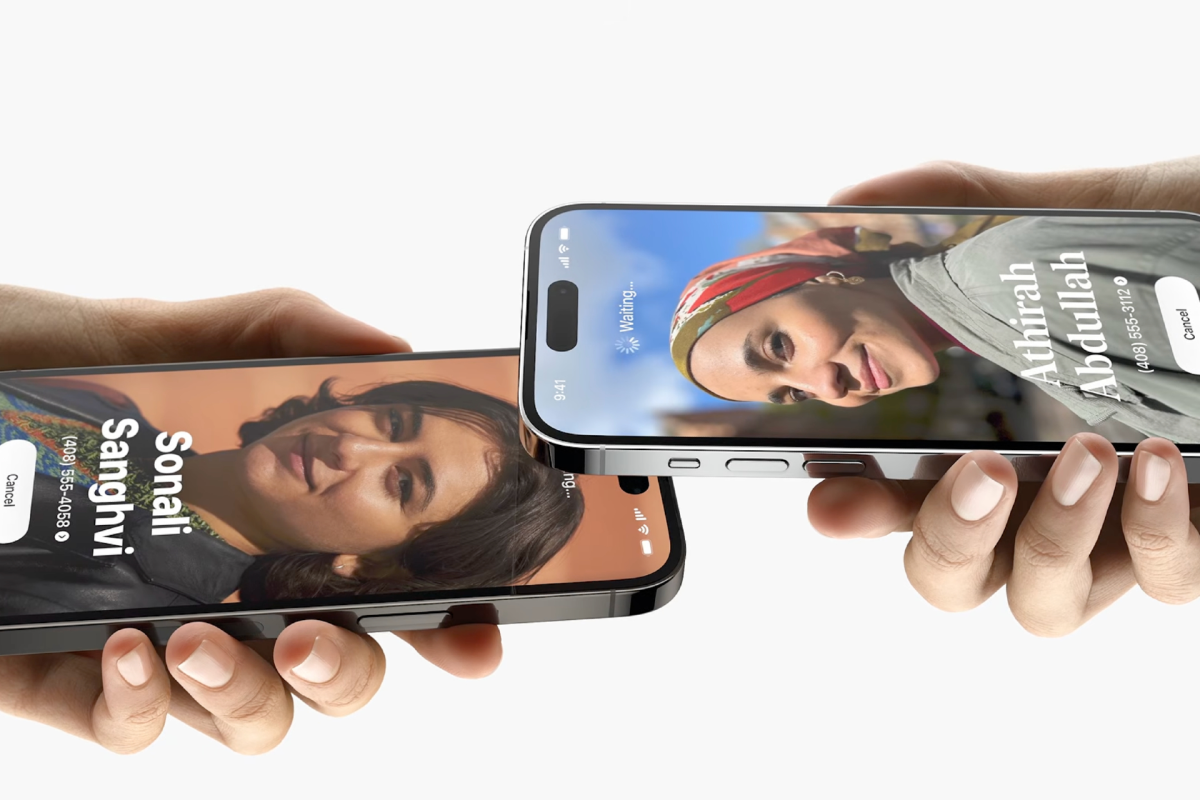
The core of the dispute rests on the mechanics of proximity-based data exchange. Apple’s implementation, introduced in iOS 17 and subsequently integrated into watchOS 10.1, relies on a sophisticated handshake protocol that leverages Near Field Communication (NFC) and Ultra-Wideband (UWB) technology. When two devices are brought into close proximity, the operating system initiates an automated discovery sequence. This process bypasses traditional manual pairing, utilizing the U1 or U2 chip to calculate the precise spatial relationship between devices, followed by an encrypted peer-to-peer data transfer over a localized Wi-Fi or Bluetooth channel.
GG Technologies maintains that its StayTouch architecture, which predates Apple’s rollout, utilizes a specific sequence of proximity detection and handshake validation that mirrors the claims protected by its July 2024 Indian patent. From an engineering perspective, the patent covers the method of “contactless identification and automated data synchronization” without requiring active user intervention in the pairing process. While Apple’s implementation is optimized for the closed-loop nature of the Apple ecosystem—utilizing AirDrop protocols and iCloud identity verification—the plaintiff argues that the underlying logic of the proximity-triggered exchange is structurally identical to their protected IP. The technical challenge for the court will be determining whether Apple’s proprietary implementation constitutes a distinct evolution of existing standards or an infringement on the specific workflow defined in the StayTouch patent filing.
Industry Landscape and Competitive Comparison
The market for proximity-based information sharing has transitioned from niche third-party utility apps to a standard feature set expected by modern consumers. Before the widespread adoption of native OS-level solutions, users relied on QR code scanning or manual NFC tag reading. The shift toward “tap-to-share” functionality reflects a broader industry trend toward reducing friction in social and professional networking. However, this shift has marginalized developers who built their business models on these specific workflows.
| Feature/Protocol | Apple NameDrop | StayTouch (GG Tech) | Traditional QR Exchange |
|---|---|---|---|
| Primary Protocol | NFC/UWB/AirDrop | Proprietary Proximity | Optical/Camera |
| Pairing Required | None (Automated) | None (Automated) | Manual Scan |
| Ecosystem | Apple Exclusive | Cross-Platform | Universal |
| Data Security | End-to-End Encrypted | Encrypted Vault | Unencrypted/URL-based |
The competitive landscape is now divided between platform-native features, which benefit from system-level integration, and third-party solutions that must navigate strict OS permissions. Apple’s advantage lies in its ability to integrate these features into the kernel of the operating system, ensuring low latency and high reliability. Conversely, third-party startups like GG Technologies often struggle to maintain parity when the platform owner introduces a native, free alternative that effectively renders their core product redundant.
Practical Consumer & Enterprise Takeaways
For the average consumer, this lawsuit serves as a reminder of the volatility inherent in proprietary software ecosystems. If the Bombay High Court were to grant an injunction, the availability of specific iPhone models in the Indian market could be impacted, leading to supply chain disruptions and potential price fluctuations for localized inventory. While an immediate ban on sales remains a low-probability outcome given the scale of Apple’s operations, the legal uncertainty may force enterprise users to reconsider their reliance on native features for sensitive contact management.
Enterprises should evaluate their reliance on “tap-to-share” features for internal networking. If a company mandates the use of contact-sharing tools, they must ensure that these tools comply with internal data governance policies. Furthermore, businesses should maintain a secondary, standardized method for contact exchange—such as digital business cards or CRM-integrated QR codes—to mitigate the risk of service interruption should legal challenges force a platform to disable specific features temporarily.
Frequently Asked Questions
Could this lawsuit lead to the removal of the feature on iPhones in India?
While the plaintiff is seeking an injunction, courts typically weigh the economic impact of such a move against the merits of the patent claim. It is more likely that the court would mandate a royalty agreement or a technical modification to the feature rather than a complete market withdrawal.
Does this patent dispute affect users outside of India?
Patent rights are territorial. The current litigation is specific to the Indian market. However, if GG Technologies holds similar patents in other jurisdictions, they could potentially open secondary fronts in the legal battle, though no such filings have been confirmed at this time.
What is the primary difference between Apple’s feature and third-party apps?
The primary difference is the level of OS-level integration. Apple’s feature operates as a system service, allowing for deeper access to hardware components like the UWB chip. Third-party apps are constrained by sandboxing, which limits their ability to trigger actions in the background without user consent or specific permission sets.
The Bottom Line
The litigation between GG Technologies and Apple is a classic example of the “platform versus developer” conflict that has defined the digital age. Regardless of the legal outcome, this case highlights the precarious position of startups that build features on top of mobile operating systems. Apple’s ability to “Sherlock” third-party functionality by integrating it into its native software is a well-documented business strategy, but it carries significant legal and reputational risks. For now, the tech industry will watch the Bombay High Court closely, as the ruling could set a significant precedent for how patent law applies to the automation of user-interface interactions in modern mobile ecosystems.