
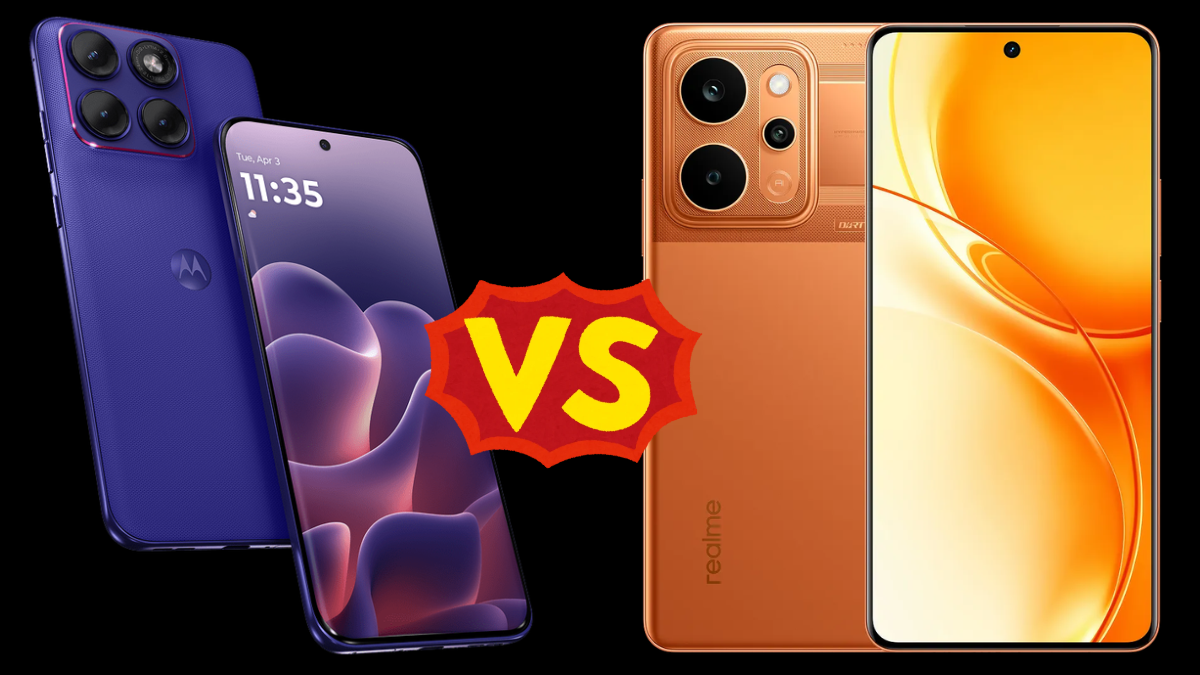
Technical Specifications and Architectural Breakdown
The engineering focus of the Motorola Edge 70 Fusion centers on visual fidelity and structural integrity. At its core, the device features a 6.8-inch Super HD Extreme AMOLED panel, operating at a resolution of 1,272 x 2,772 pixels. This density ensures a crisp, high-fidelity image, but the standout metric is the 144Hz refresh rate, which provides exceptional motion fluidity for both competitive gaming and high-resolution media consumption. Motorola has pushed the envelope on luminance, achieving a peak brightness of 5,200 nits, which effectively mitigates glare even under the most intense direct sunlight. Beyond the screen, the device is built to survive the rigors of daily use, carrying both IP68 and IP69 ratings. This dual-certification indicates a robust defense against dust ingress and high-pressure, high-temperature water jets, positioning the phone as a durable daily driver.
In contrast, the Realme P4 Power 5G adopts a utilitarian architectural approach. By housing a 10,001mAh battery—a capacity that would have been considered impossible for a standard smartphone form factor just two years ago—the device fundamentally changes the charging cycle for the average user. While the Motorola Edge 70 Fusion utilizes a 7,000mAh cell, the Realme device prioritizes multi-day autonomy. This comes at the expense of a more complex camera array; the Realme device opts for a simplified imaging system, focusing its thermal and physical footprint on the battery architecture rather than optical versatility.
Industry Landscape and Competitive Comparison
The sub-Rs. 35,000 segment has become the most contested territory for OEMs in India. Consumers are no longer satisfied with mid-range compromises; they demand flagship-grade displays or extreme battery life. The current market pressure stems from the rising cost of LPDDR5X RAM and UFS 4.0 storage, forcing brands to choose between “premium aesthetics” and “utility-first” designs. The following table illustrates how these two devices compare against the previous generation and the broader market expectations.
| Feature | Motorola Edge 70 Fusion | Realme P4 Power 5G | Previous Gen (Avg) |
|---|---|---|---|
| Display | 6.8″ AMOLED, 144Hz | 6.7″ AMOLED, 120Hz | 6.6″ AMOLED, 120Hz |
| Battery | 7,000 mAh | 10,001 mAh | 5,000 mAh |
| Peak Brightness | 5,200 nits | 2,800 nits | 2,000 nits |
| Durability | IP68/IP69 | IP66/IP68/IP69 | IP54 |
Practical Consumer & Enterprise Takeaways
For the average consumer, the choice between the Motorola Edge 70 Fusion and the Realme P4 Power 5G is a question of lifestyle. The Motorola device is tailored for the “media-first” user. If your daily routine involves extensive video editing, high-frame-rate gaming, or consuming high-dynamic-range content in varying lighting conditions, the display performance of the Edge 70 Fusion is currently unrivaled in this price bracket. The inclusion of IP69 certification is a significant value-add for outdoor professionals who require a device that can withstand harsh environments without sacrificing aesthetic appeal.
Conversely, the Realme P4 Power 5G is a specialized tool. It is the ideal candidate for field workers, logistics professionals, or users who prioritize uptime above all else. The 10,001mAh battery capacity effectively eliminates the “range anxiety” associated with modern smartphones. However, users must weigh this against the device’s weight and the potential lack of camera versatility. In an enterprise context, the Motorola Edge 70 Fusion offers a more balanced profile for general office use and client-facing roles, whereas the Realme P4 Power 5G serves as a ruggedized, task-specific asset.
Frequently Asked Questions
Does the 5,200-nit brightness on the Motorola Edge 70 Fusion negatively impact battery life?
While high brightness levels naturally consume more power, the device utilizes an adaptive LTPO backplane that dynamically adjusts the refresh rate and power draw based on content. Under standard usage, the 7,000mAh battery is optimized to handle these peaks, though users should expect faster drainage when the screen is locked to maximum brightness in outdoor environments.
Is the Realme P4 Power 5G significantly heavier due to the 10,001mAh battery?
Yes, the physical density of a 10,001mAh cell necessitates a larger chassis. Users will notice a distinct difference in heft compared to the Motorola Edge 70 Fusion. The Realme device is designed for utility, and the ergonomics reflect that, prioritizing a solid, rugged grip over the slim profile found in more traditional smartphones.
Which device is better suited for long-term ownership?
The Motorola Edge 70 Fusion holds a slight advantage in long-term relevance due to its superior display technology and more versatile camera system, which are features that typically age better. However, if the primary metric for “long-term” is the physical longevity of the battery cell and the device’s ability to survive accidental drops and liquid exposure, the Realme P4 Power 5G is the more resilient hardware choice.
The Bottom Line
The competition between the Motorola Edge 70 Fusion and the Realme P4 Power 5G highlights a healthy diversification in the Indian smartphone market. Motorola has successfully identified a niche for users who demand premium, high-fidelity visual experiences and professional-grade durability. By focusing on the display and structural build, the Edge 70 Fusion positions itself as a sophisticated, all-around performer. Realme, meanwhile, has doubled down on the one metric that remains a pain point for every mobile user: battery endurance. Neither device is objectively “better” in a vacuum; rather, they serve distinct operational needs. For those who prioritize the screen as their primary interface for work and play, the Motorola Edge 70 Fusion is the superior investment.