
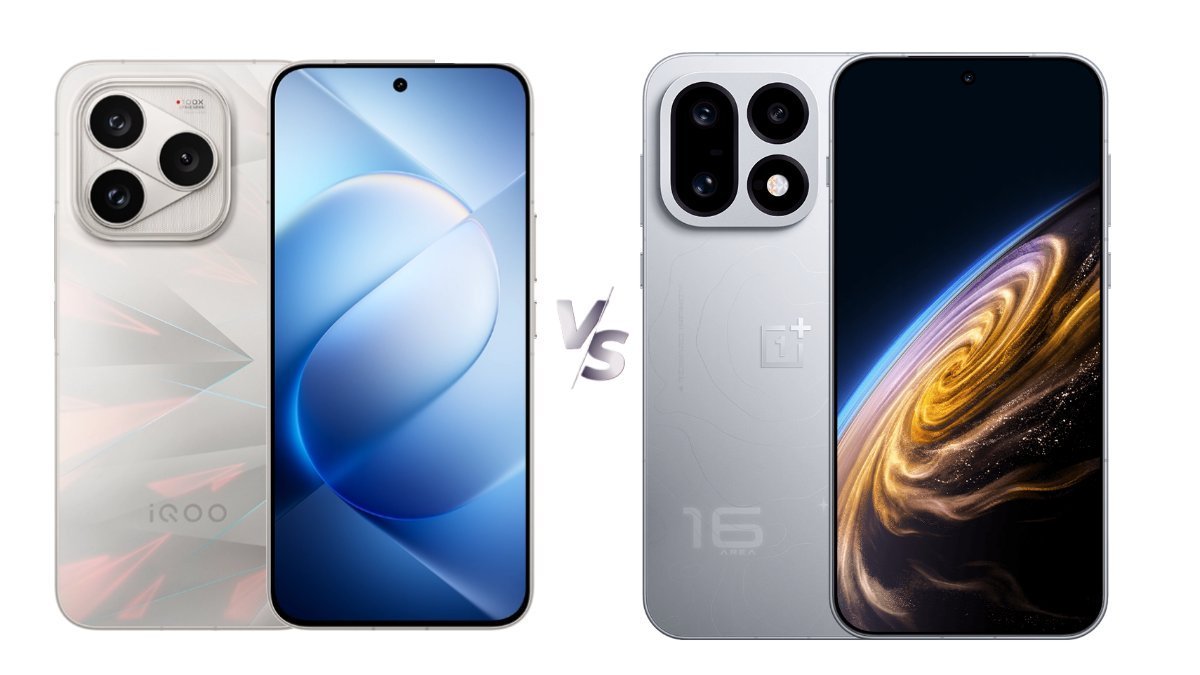
Technical Specifications and Architectural Breakdown
At the core of the OnePlus 16 is a commitment to sustained performance, a metric that separates flagship devices from mere high-spec handsets. Both the OnePlus 16 and the iQOO 16 deploy the latest generation of mobile silicon, featuring identical clock speeds that theoretically offer parity in raw computing power. Yet, the architectural implementation differs significantly when it comes to thermal management and power distribution.
OnePlus has engineered a multi-layered vapor chamber cooling system that spans a larger surface area than previous iterations, allowing the chipset to maintain peak performance without aggressive thermal throttling. This is critical for users who engage in prolonged sessions of titles like Genshin Impact or competitive shooters, where frame rate stability is paramount. The device features a 6.78-inch AMOLED panel that sets a new standard for fluidity, supporting a 185Hz refresh rate. This refresh rate is not just a marketing figure; it is supported by a sophisticated touch-sampling layer that minimizes input latency, a factor often overlooked by manufacturers focusing solely on pixel density.
Durability has also received a significant overhaul. The integration of “Crystal Shield Glass” represents a departure from standard industry materials, offering a higher Vickers hardness rating. This ensures that the display remains resistant to micro-scratches and impact damage, addressing a common pain point for users who carry their devices without bulky cases. Furthermore, the memory architecture utilizes the latest LPDDR5X RAM and UFS 4.1 storage protocols, ensuring that read/write speeds are optimized for the heavy demands of modern mobile gaming and multitasking.
Industry Landscape and Competitive Comparison
The competitive landscape in the premium segment is defined by a trade-off between pure gaming utility and daily usability. The iQOO 16 leans heavily into the “gamer aesthetic,” often prioritizing aggressive cooling designs and software features that cater specifically to e-sports enthusiasts. In contrast, the OnePlus 16 maintains a more subdued, professional design language that allows it to transition seamlessly from a gaming rig to a business tool. This versatility is its primary market advantage.
| Feature | OnePlus 16 | iQOO 16 | OnePlus 15 |
|---|---|---|---|
| Display Refresh Rate | 185Hz | 144Hz | 120Hz |
| Cooling Surface Area | 9,800 mm² | 8,500 mm² | 7,200 mm² |
| Build Material | Crystal Shield Glass | Standard Gorilla Glass | Standard Gorilla Glass |
| Primary Focus | Balanced Premium | Aggressive Gaming | General Flagship |
Practical Consumer & Enterprise Takeaways
For the average consumer, the decision to upgrade depends on the current device lifecycle. If you are currently using a device that is two or more years old, the jump to the OnePlus 16 provides a noticeable improvement in thermal efficiency and display fluidity. The cost-benefit analysis favors the OnePlus 16 for professionals who require a high-performance device that does not look out of place in a boardroom. The software skin, while feature-rich, remains relatively clean compared to the more bloated interfaces found on some gaming-focused handsets.
From an enterprise perspective, the device offers significant longevity. The robust cooling system reduces the likelihood of hardware degradation caused by heat, which is a common concern for organizations that deploy high-performance handsets to field engineers or creative teams. However, users should be aware that the 185Hz display, while impressive, necessitates a higher power draw. While the battery management software is highly optimized, power users should expect to utilize the rapid charging capabilities at least once during a heavy workday.
Frequently Asked Questions
Does the 185Hz refresh rate significantly impact battery life compared to a standard 120Hz display?
While a higher refresh rate inherently consumes more power, the OnePlus 16 utilizes an adaptive LTPO technology that dynamically adjusts the refresh rate based on the content being displayed. For static tasks like reading or web browsing, the screen drops to a lower frequency, which effectively offsets the drain caused by the high-performance gaming mode.
How does the OnePlus 16 handle sustained load compared to the iQOO 16?
Both devices utilize the same chipset, but the OnePlus 16 benefits from a more advanced vapor chamber design. In sustained stress tests, the OnePlus 16 demonstrates a lower rate of thermal throttling, meaning it can maintain a higher average frame rate over a 60-minute gaming session compared to the iQOO 16, which may start to dial back clock speeds sooner to manage heat.
Is the Crystal Shield Glass merely a marketing term, or does it offer tangible benefits?
Crystal Shield Glass is a proprietary formulation that improves the structural integrity of the display panel. In independent drop tests, it has shown a higher resistance to shattering compared to standard glass solutions. For users, this translates to a lower probability of screen replacement costs over the typical three-year ownership cycle.
The Bottom Line
The OnePlus 16 succeeds because it refuses to compromise on the identity of a flagship device. While the iQOO 16 is a formidable competitor for those who prioritize a niche, gamer-centric experience, the OnePlus 16 offers a more holistic package. It provides the necessary power for high-end gaming while maintaining a design and build quality that appeals to a broader demographic. By focusing on thermal efficiency, display innovation, and material science, OnePlus has crafted a device that stands as the current benchmark for what a premium Android handset should achieve in the current market.