
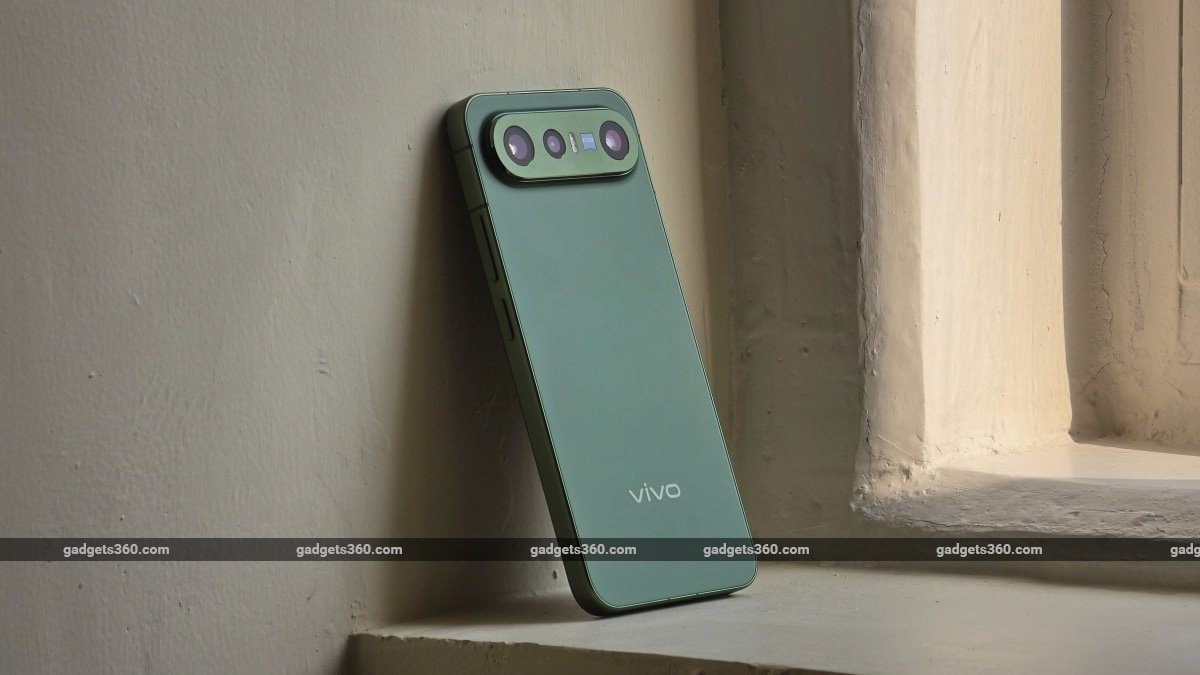
Technical Specifications and Architectural Breakdown
At the core of the Vivo X500 FE lies a sophisticated hardware configuration designed to maximize performance per watt. The device is built around a 6.31-inch LTPO AMOLED panel, a choice that underscores the manufacturer’s commitment to visual fidelity and energy management. The LTPO (Low-Temperature Polycrystalline Oxide) backplane allows for a variable refresh rate that scales dynamically up to 120Hz, ensuring smooth UI transitions while preserving power during static tasks.
The computational engine driving this display is the Snapdragon 8 Gen 5 chipset. This silicon represents a significant leap in architectural efficiency, utilizing a refined node process that minimizes thermal throttling during intensive tasks. Unlike previous generations, the 8 Gen 5 is optimized for sustained high-load operations, making it an ideal candidate for users who rely on their mobile devices for complex multitasking, mobile video editing, or high-fidelity gaming.
Perhaps the most noteworthy engineering decision is the integration of a 6,500mAh battery. In an era where most manufacturers have plateaued at the 5,000mAh mark, Vivo’s decision to utilize higher density cell technology is a distinct departure from industry trends. This massive capacity is complemented by 90W wired charging protocols, which effectively mitigate the increased charge time typically associated with larger batteries. The synergy between the power-efficient chipset and the high-capacity cell suggests that the X500 FE is engineered for two-day battery life, a metric that remains the “holy grail” for mobile power users.
Industry Landscape and Competitive Comparison
The mid-range and premium-entry segments are currently saturated with devices that prioritize thin profiles over longevity. The Vivo X500 FE enters this space as a direct response to the “battery anxiety” that continues to plague smartphone users. By positioning itself against established benchmarks, the device aims to provide a more robust hardware package without the price inflation often associated with “Ultra” or “Pro” branded flagships.
| Feature | Vivo X500 FE | Industry Average (Mid-Range) | Previous Gen (X400 series) |
|---|---|---|---|
| Battery Capacity | 6,500mAh | 5,000mAh | 4,800mAh |
| Charging Speed | 90W Wired | 45W – 65W | 67W |
| Display Tech | 120Hz LTPO AMOLED | 120Hz AMOLED | 120Hz LTPS |
| Chipset | Snapdragon 8 Gen 5 | Snapdragon 7+ Gen 3 | Snapdragon 8 Gen 2 |
When viewed against the current market, the X500 FE effectively renders many mid-range alternatives obsolete in terms of raw endurance. While competitors focus on thinness or camera sensor size, Vivo has opted for a “utility-first” approach. This strategy targets the segment of the market that prioritizes device reliability and longevity over aesthetic minimalism.
Practical Consumer & Enterprise Takeaways
For the average consumer, the Vivo X500 FE is a compelling argument for replacing aging hardware. Users currently operating devices from two or three years ago will notice a substantial improvement in both power efficiency and thermal management. The transition to a 6,500mAh battery provides a tangible improvement in daily quality of life, effectively removing the need for midday charging cycles.
From an enterprise perspective, the device offers a strong value proposition for fleets and mobile-first workforces. The combination of a high-refresh-rate display and a long-lasting battery is ideal for field technicians, sales representatives, and logistics personnel who require constant connectivity without proximity to power sources. While the device is not marketed as a ruggedized handset, its high-density battery and modern chipset provide the necessary performance headroom for enterprise software and secure communication tools for the next several years.
Frequently Asked Questions
Does the 6,500mAh battery significantly increase the physical thickness of the device?
While the inclusion of a 6,500mAh cell does add marginal volume compared to standard 5,000mAh batteries, advancements in battery chemistry and internal component stacking have allowed Vivo to maintain a profile that remains comfortable for one-handed use. Users will likely find the trade-off in thickness acceptable given the gain in total uptime.
Is the Snapdragon 8 Gen 5 chipset overkill for the average user?
While the chipset is high-performance, its primary benefit is efficiency rather than just raw speed. The 8 Gen 5 architecture allows the device to complete tasks faster and return to a low-power state more quickly, which ultimately contributes to the overall battery longevity of the Vivo X500 FE.
When can consumers expect the global release of the device?
Following the appearance on SIRIM and IMDA databases, the device is currently in the final stages of regional regulatory compliance. Typically, this indicates a launch window within the next 60 to 90 days, depending on the specific market and local distribution logistics.
The Bottom Line
The Vivo X500 FE represents a pragmatic evolution in smartphone design. By focusing on the fundamental pillars of battery capacity and processing efficiency, Vivo has crafted a device that addresses the most common limitations of modern mobile hardware. It does not attempt to redefine the smartphone through gimmicks; instead, it offers a reliable, high-performance experience that aligns with the actual habits of modern users. For those looking to invest in a device that prioritizes longevity and sustained power, the X500 FE is positioned to be one of the most practical options in the upcoming product cycle.