
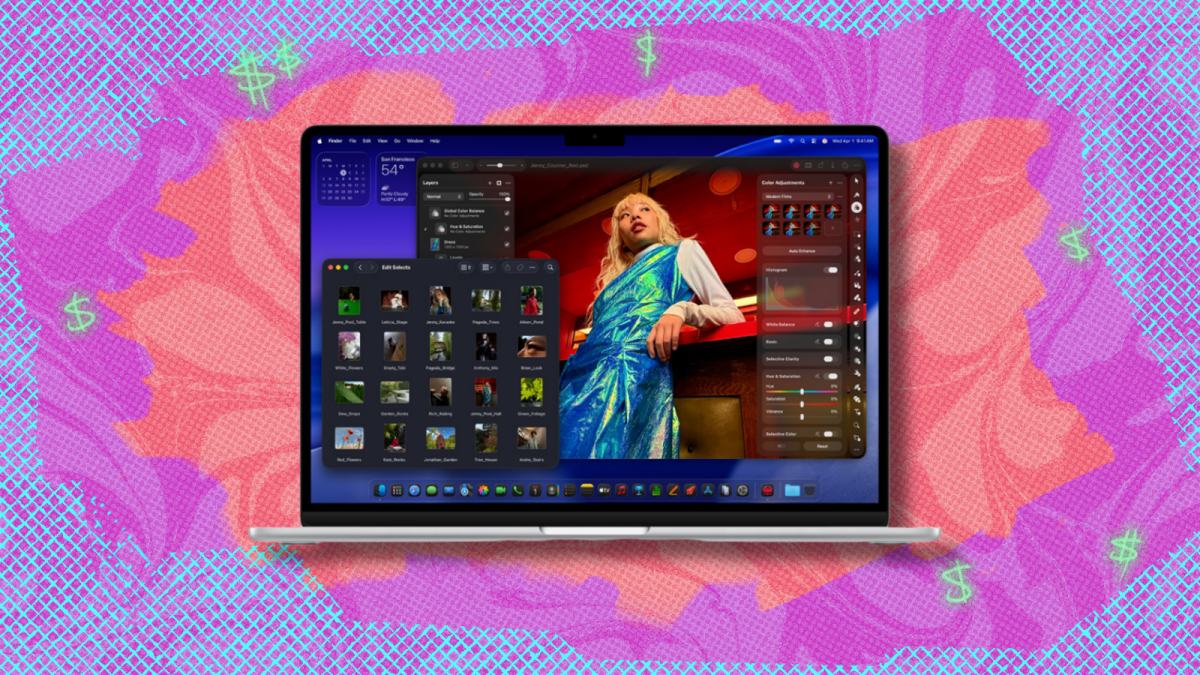
The consumer electronics market is currently navigating a period of volatility, characterized by fluctuating supply chain costs and shifting retail strategies. For the average user, the quest for a reliable, high-performance machine often hits a wall of premium pricing. However, a significant shift in retail strategy has arrived today as Amazon has initiated a $150 price reduction on the Apple M5 MacBook Air. While the industry remains fixated on the impending release of high-end professional hardware, this discount offers a rare moment of accessibility for the mainstream market. By bringing the entry-level cost down to $1,149, Amazon is effectively lowering the barrier to entry for one of the most capable ultraportable computers on the market. This move is particularly notable given the broad hardware price increases seen earlier this year, making this a strategic window for students, remote professionals, and everyday users to upgrade their gear without waiting for the seasonal volatility of Black Friday.
Technical Specifications and Architectural Breakdown
The Apple M5 MacBook Air is not merely a iterative update; it represents a significant refinement of the silicon-first philosophy that Apple has championed since the transition away from Intel architecture. At the heart of the machine lies the M5 chip, which leverages a sophisticated 3-nanometer fabrication process. This architectural choice allows for a higher transistor density, translating to improved performance-per-watt metrics that remain the industry standard for mobile computing.
The M5 silicon integrates a high-efficiency CPU architecture that excels in single-core performance, which is the primary driver for responsiveness in web browsing, document creation, and multimedia consumption. The unified memory architecture (UMA) remains a standout feature, allowing the CPU and GPU to access the same memory pool without the latency penalties associated with traditional discrete graphics setups. In real-world thermal testing, the fanless design of the MacBook Air remains a triumph of engineering. By utilizing the chassis as a passive heat sink, the laptop maintains peak performance during burst workloads—such as opening large applications or exporting high-resolution images—without the acoustic signature of cooling fans.
Furthermore, the display assembly and I/O capabilities have been modernized to meet current demands. The inclusion of a 12-megapixel webcam addresses long-standing criticisms regarding video conferencing quality, while the integration of MagSafe charging ensures that the two Thunderbolt/USB 4 ports remain available for peripheral connectivity rather than being occupied by power delivery cables.
Industry Landscape and Competitive Comparison
When positioning the Apple M5 MacBook Air against the current landscape, it is essential to look at both internal predecessors and external Windows-based alternatives. The market for thin-and-light laptops is crowded, yet few machines achieve the balance of battery efficiency and build quality found in the M5 series. The following table provides a comparative analysis of the current market segment.
| Feature | Apple M5 MacBook Air | Previous M3 Air | Dell XPS 13 (Snapdragon) |
|---|---|---|---|
| Processor | Apple M5 (3nm) | Apple M3 (3nm) | Qualcomm Snapdragon X Elite |
| Battery Life | Up to 18 Hours | Up to 18 Hours | Up to 15 Hours |
| Thermal Design | Fanless | Fanless | Active Cooling |
| Base Memory | 16GB Unified | 8GB Unified | 16GB LPDDR5X |
While the Dell XPS 13 serves as a strong competitor in the Windows ecosystem, the Apple M5 MacBook Air maintains a distinct advantage in software optimization. The tight integration between macOS and the M5 silicon results in a system that feels more responsive over time, with less degradation in battery health compared to competing platforms. For users already embedded in the Apple ecosystem, the continuity features—such as Universal Control and Handoff—provide a level of workflow efficiency that is difficult for competitors to replicate.
Practical Consumer & Enterprise Takeaways
For the prospective buyer, the current $150 discount on the Apple M5 MacBook Air serves as a clear signal. While deeper discounts are historically reserved for major shopping holidays, the current pricing reflects a stabilization of retail costs. For those currently using a machine that is more than three years old, the jump to the M5 architecture will be immediately palpable, particularly in terms of wake-from-sleep speed and battery longevity.
Enterprise users should also consider the MacBook Air as a viable fleet device. The transition to 16GB of unified memory as the standard configuration for this model makes it a long-term investment. Unlike previous generations where 8GB was the entry point, the current 16GB floor ensures that the machine will remain performant through the next several macOS update cycles. This reduces the total cost of ownership, as IT departments can extend the refresh cycle of these devices by an additional year or two compared to lower-spec predecessors.
Frequently Asked Questions
Is the 13-inch model sufficient for professional creative work?
The 13-inch M5 MacBook Air is highly capable for photo editing, graphic design, and moderate video production. However, if your workflow involves heavy 4K multi-stream video editing or complex 3D rendering, the thermal constraints of the fanless design may eventually lead to performance throttling during prolonged export sessions. For those tasks, a MacBook Pro remains the appropriate choice.
Should I wait for Black Friday to see if the discount increases?
While Black Friday often sees deeper price cuts, those discounts are frequently tied to specific configurations or limited inventory. If you require a machine immediately for school or work, the current $150 discount provides excellent value. Waiting for a potential $50 additional saving carries the risk of inventory shortages on popular configurations.
Does the 15-inch model offer better performance than the 13-inch?
The performance difference between the 13-inch and 15-inch models is negligible in terms of raw processing power, as they share the same M5 silicon. The 15-inch model provides a larger surface area for heat dissipation and a more immersive display, but the choice should be based on your preference for screen real estate rather than a requirement for higher performance.
The Bottom Line
The Apple M5 MacBook Air remains the most logical choice for the vast majority of computer users. It avoids the feature creep and exorbitant pricing of the “Pro” lines while delivering performance that exceeds the requirements of most office, academic, and creative tasks. By reducing the price by $150, Amazon has effectively removed the primary friction point for potential buyers. While it is always possible to wait for the next price fluctuation, the current value proposition—combining the 16GB memory floor with the efficiency of the M5 chip—makes this one of the most sensible technology investments currently available on the market.