
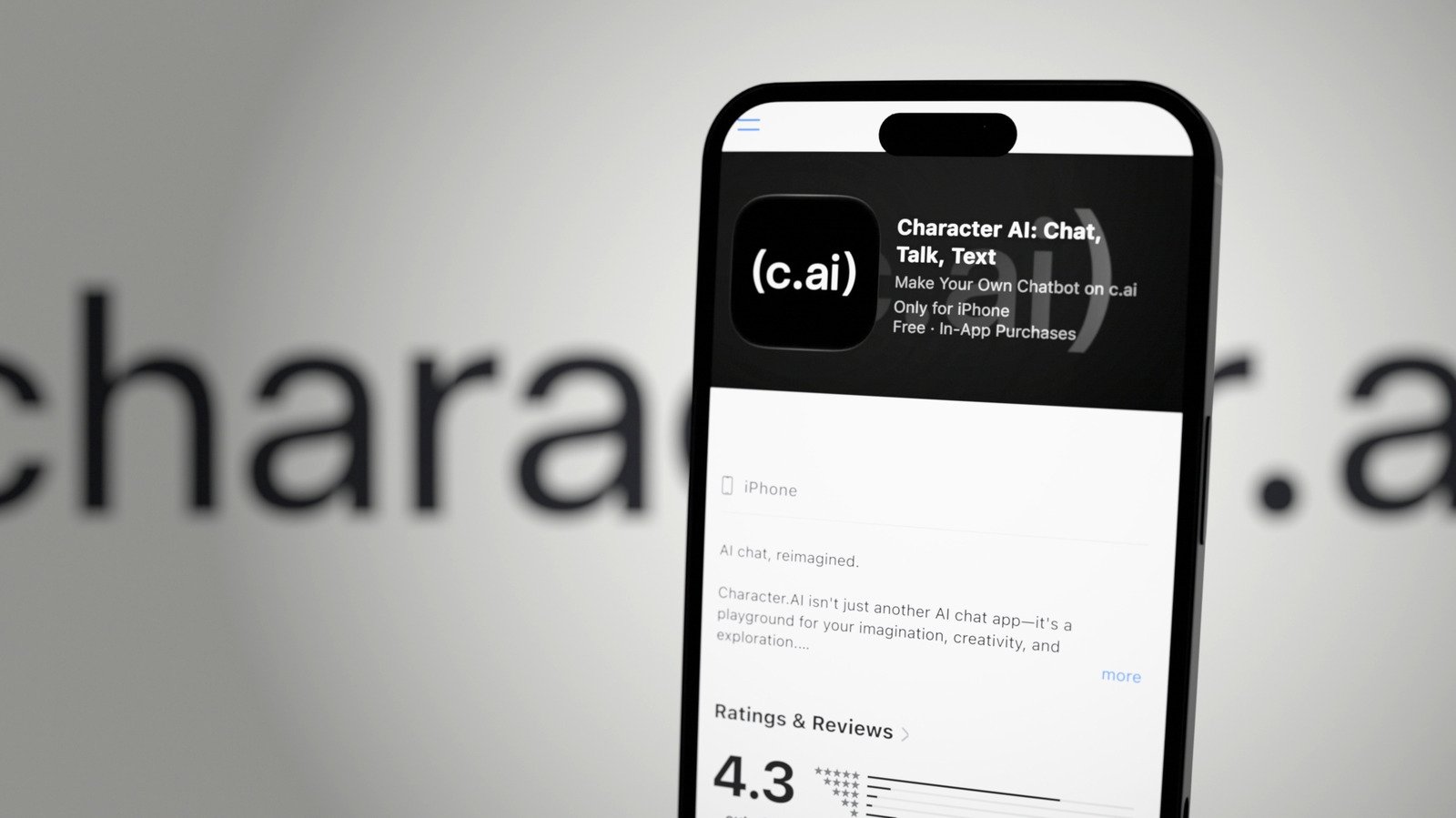
Technical Specifications and Architectural Breakdown
Character AI functioned as a complex multi-modal platform built upon proprietary Large Language Models (LLMs) fine-tuned for conversational persona simulation. Architecturally, the platform relied on a transformer-based stack optimized for low-latency inference. The data in question—the “assets” currently being auctioned—consists of unstructured text logs stored in distributed database clusters, likely utilizing a combination of NoSQL structures like MongoDB or Cassandra for rapid retrieval of chat histories, and relational databases for user account metadata.
From an engineering perspective, these logs are not mere text files. They are indexed records that map specific user IDs to persona-specific interaction vectors. The infrastructure was designed to maintain “statefulness” across long-running conversations, meaning the data includes historical context, emotional sentiment markers, and user-defined constraints. The auction proposes the transfer of these datasets, which are technically categorized as PII (Personally Identifiable Information) under various state statutes. The challenge in this liquidation is that the data is inextricably linked to the model’s fine-tuning history. By selling these logs, the company is effectively selling the “memory” of millions of users, which could be ingested by a successor entity to further train or bias future models without the original users’ consent or awareness.
Industry Landscape and Competitive Comparison
The auction of user data in bankruptcy is not unprecedented, but the nature of the data held by Character AI—specifically the high volume of sensitive content involving minors—places it in a unique regulatory crosshair. In the current generative AI market, platforms are differentiated by their “personality” engines and the depth of their user engagement. However, this competitive edge has now become a legal liability. The following table illustrates how different platforms approach data retention and asset liquidation protocols.
| Platform | Primary Data Focus | Privacy/Liquidation Stance | Risk Profile |
|---|---|---|---|
| Character AI | Persona-based chat logs | Asset-based liquidation | High (Sensitive PII/Minor data) |
| OpenAI (ChatGPT) | General purpose queries | Enterprise-grade retention | Moderate (Corporate/IP focus) |
| Anthropic (Claude) | Constitutional AI alignment | Privacy-first retention | Low (Focus on safety/security) |
The emergence of “Smirks and Pangs Acquisition LLC” as the primary bidder adds a layer of opacity that has drawn the scrutiny of regulatory bodies. Established only 24 hours prior to the auction filing, the entity lacks a track record of operational history or data stewardship. This raises significant concerns regarding the “data portability” and “right to be forgotten” clauses that users assumed were protected by the platform’s original terms of service.
Practical Consumer & Enterprise Takeaways
For the average user, the Character AI situation serves as a stark reminder that data stored in the cloud is rarely truly private once a company faces financial insolvency. Consumers should adopt a “zero-trust” approach to interactive AI platforms. Before engaging with services that require deep personal disclosure, users should evaluate the company’s history of data management and their stated policies regarding bankruptcy and asset transfer.
Enterprise users and developers should prioritize platforms that offer explicit contractual guarantees regarding data ownership. If a platform does not allow for the permanent deletion of chat logs upon request, or if their terms of service allow for the transfer of user data during a corporate acquisition or bankruptcy, that platform should be considered high-risk. Upgrading to enterprise-tier services that provide SOC2 compliance or HIPAA-level data protection is the only effective way to ensure that sensitive information remains under the control of the data owner, rather than becoming a pawn in a bankruptcy court.
Frequently Asked Questions
Can the court legally force the sale of private chat logs if the company’s privacy policy promised they would remain private?
Bankruptcy law generally prioritizes the repayment of creditors, and courts often view customer lists and data as valuable intangible assets. However, the attorneys general are arguing that the specific nature of this data—particularly logs involving minors and mental health—violates state-level privacy protections that supersede standard bankruptcy asset liquidation rules.
What happens to my data if the sale is blocked?
If the court grants the injunction requested by the attorneys general, the data would likely be ordered to be destroyed or anonymized to a degree where it no longer constitutes PII. This would prevent it from being sold as a usable asset, effectively ending the liquidation value of the user logs.
How can I protect my data on other AI platforms?
Regularly utilize the “delete account” and “clear chat history” functions. Furthermore, avoid sharing highly sensitive information—such as medical history, financial data, or identifying details—with any AI model, regardless of its stated privacy policy. Treat all AI interactions as if they are public records.
The Bottom Line
The attempt to auction Character AI’s user data is a watershed moment for the generative AI sector. It highlights the dangerous disconnect between the rapid monetization of user engagement and the slow, often inadequate, legal frameworks governing digital privacy. If the court allows the sale to proceed, it will set a perilous precedent that user trust is merely a temporary asset, subject to seizure and sale whenever a venture-backed startup fails to maintain profitability. The intervention by 42 state attorneys general is a necessary check on an industry that has long operated with the assumption that data is a permanent, liquid resource. Regardless of the outcome, the case serves as a definitive warning: in the current AI economy, your data is only as private as the company’s balance sheet allows.