
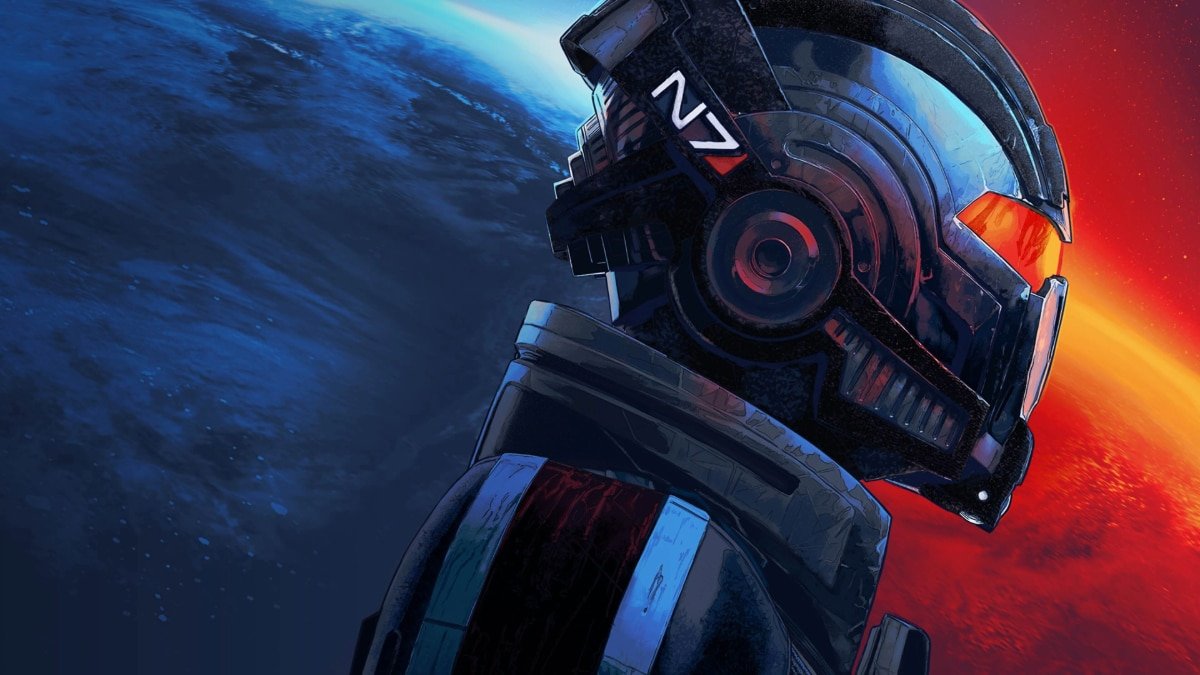
The video game industry experienced structural turbulence following Electronic Arts’ abrupt decision to halt development on the next chapter of the Mass Effect franchise alongside targeted workforce reductions across BioWare and affiliated publishing units. The project cancellation, which accompanied approximately 400 employee layoffs, triggered immediate resistance across the global gaming community. A petition hosted on Change.org crossed 200,000 signatures within days, boosted by public statements from core franchise voice actors Jennifer Hale and Mark Meer. This grassroots response brings critical visibility to the operational choices of major interactive entertainment companies, raising questions about how heritage intellectual properties are evaluated against modern corporate revenue models.
Technical Specifications and Architectural Breakdown
Technical details derived from leaked pre-production footage provide insight into the engineering direction BioWare established prior to the project termination. Following systemic development friction during the previous decade with EA’s internal Frostbite engine—a framework engineered primarily for first-person action titles—the development team migrated the Mass Effect pipeline to Epic Games’ Unreal Engine 5. Leaked assets confirmed early implementation of key technical features designed to leverage modern console and PC graphics hardware.
- Rendering Pipeline: Integration of Unreal Engine 5’s Nanite virtualized geometry system to render high-polygon environment assets without traditional Level-of-Detail (LOD) pop-in.
- Lighting and Reflections: Implementation of Lumen real-time global illumination for dynamic spatial lighting, bounce illumination, and hardware-accelerated ray tracing.
- Asset Streaming Requirements: Architectural dependency on DirectStorage APIs and high-throughput PCIe 4.0/5.0 NVMe storage to enable seamless planetary transitions without load screens.
- Memory Footprint: Target VRAM allocations ranged from 10GB to 16GB for 4K physical-based rendering (PBR) texture streaming, utilizing temporal upscaling frameworks like Nvidia DLSS 3.5 and AMD FSR 3.
Transitioning from Frostbite to Unreal Engine 5 required rebuilding core gameplay mechanics, inventory management systems, and dialogue trees from scratch. While this engine migration resolved historical toolchain bottlenecks, it extended the pre-production phase. Modern AAA development environments require significant capital outlay before full-scale production begins, making long-term engine transitions vulnerable to budget reallocation when corporate priorities shift.
Industry Landscape and Competitive Comparison
The decision to halt development reflects a broader reallocation of capital across the games industry. Large public publishers increasingly prioritize live-service ecosystems featuring recurring microtransactions over standalone single-player role-playing games. Despite high development costs, single-player titles continue to record strong market performance when paired with optimized technical delivery and compelling narrative design.
| Project / Product | Engine Architecture | Monetization Model | Target Hardware Pipeline |
|---|---|---|---|
| Canceled Mass Effect Project | Unreal Engine 5 | Premium Single-Player (Standard MSRP) | DirectStorage, PCIe 4.0 NVMe, Ray Traced Lumen |
| Mass Effect Legendary Edition (2021) | Modified Unreal Engine 3 | Buy-to-Play Remaster Bundle | Legacy Rasterization, High-Framerate DX11/DX12 |
| Baldur’s Gate 3 (Larian Studios) | Divinity Engine 4.0 | Premium Single-Player / Co-op | Vulkan / DX12, High CPU Core Scaling |
| Dragon Age: The Veilguard (BioWare) | Modified Frostbite Engine | Premium Single-Player | DirectX 12 Ultimate, Dynamic Mesh Shading |
Competitors like Larian Studios and CD Projekt Red have demonstrated that large-scale narrative RPGs remain commercially viable without multi-year live-service additions. However, publishers like Electronic Arts face structural pressure from shareholders to deliver predictable quarter-over-quarter growth, leading to strategic pivots away from narrative-heavy titles that require four to six years of dedicated production.
Practical Consumer & Enterprise Takeaways
The cancellation of major single-player projects carries tangible implications for hardware markets, software preservation, and industry labor dynamics:
- Hardware Demand Shifts: High-end graphical features like full-path tracing and complex mesh shading are predominantly driven by flagship single-player RPGs. Halting these projects shifts performance demand toward competitive online titles, which favor high framerates over advanced lighting pipelines.
- IP Preservation Risks: Inactive intellectual properties risk functional erasure when studios undergo downsizing. Intellectual property rights remain locked within corporate holdings, preventing original creators from continuing narrative arcs independently.
- Outsourcing and Licensing Opportunities: To mitigate internal development overhead, publishers may increasingly adopt external licensing frameworks, partnering with specialized third-party studios to develop single-player titles while retaining overall IP ownership.
Frequently Asked Questions
Why was the next Mass Effect project canceled despite strong fan interest?
Publisher decisions are driven primarily by long-term return-on-investment metrics. High pre-production costs, extended timeline requirements for modern engine migrations, and strategic shifts toward live-service multiplayer titles often lead corporate executives to reallocate capital away from single-player narrative projects.
What engine technology was the canceled game utilizing?
Leaked pre-production materials confirmed that BioWare had transitioned the project to Epic Games’ Unreal Engine 5, moving away from EA’s proprietary Frostbite engine to leverage advanced features like Nanite geometry and Lumen dynamic global illumination.
Can community petitions reverse game cancellation decisions?
While petitions collecting hundreds of thousands of signatures demonstrate active consumer demand, corporate reversals are rare without external funding or major restructuring. However, sustained community advocacy increases the likelihood that a publisher will license the IP to external studios or greenlight future remasters.
Is Electronic Arts likely to license Mass Effect to another studio?
Licensing established IPs to third-party developers is becoming more common across the industry to offset production risks. While EA has not officially announced external licensing plans, high public interest combined with internal studio downsizing makes strategic co-development or external licensing a plausible long-term option.
The Bottom Line
The closure of active development on the next Mass Effect entry highlights the current volatility within high-budget game development. While corporate strategy favors recurring revenue models over single-player narrative experiences, the swift mobilization of over 200,000 players proves that dedicated consumer demand for premium RPGs remains intact. Until publishers balance production efficiency with creative risk management, the industry will continue to see a rift between corporate portfolio management and community expectations.