
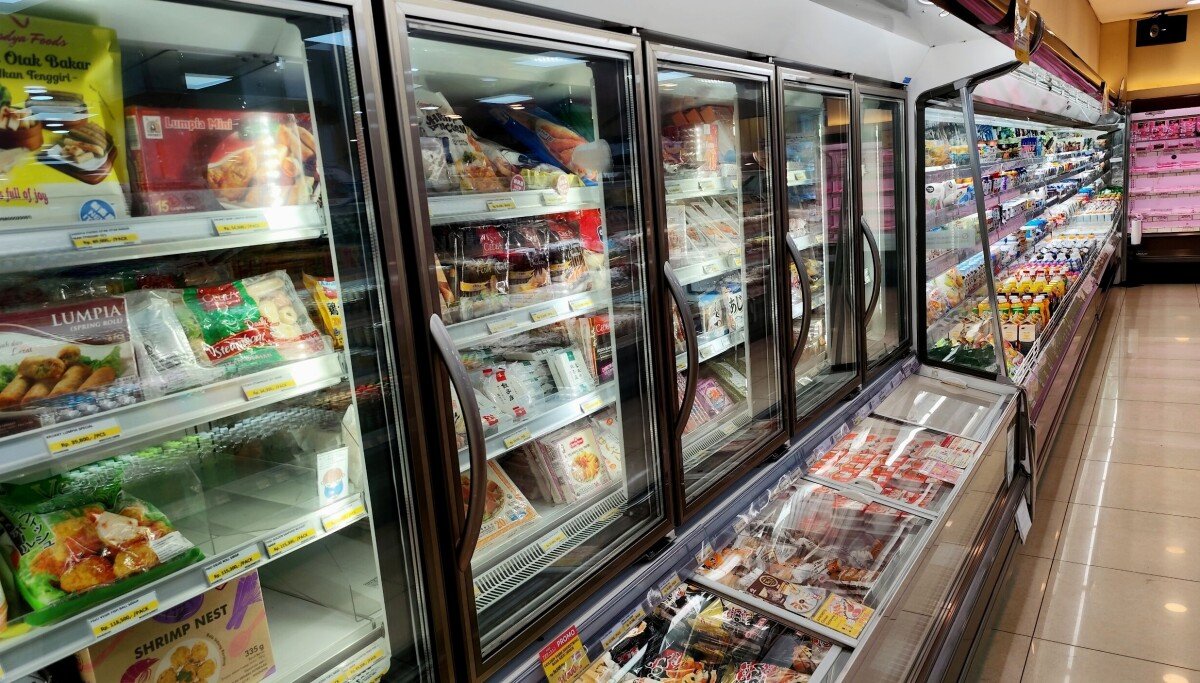
Rising Threats to Industrial Smart Freezers
Federal agencies are sounding the alarm for retail operators: your industrial smart freezers may be the next target for cybercriminals. Following a series of destructive attacks across Europe, the FBI, CISA, and other government bodies have issued a joint advisory urging businesses to audit their connections. The core of the issue lies in internet-exposed hardware that allows remote actors to manipulate internal temperatures.
Since mid-October, hundreds of grocery stores throughout France, Belgium, Ireland, Luxembourg, and Sweden have reported unauthorized access to their refrigeration units. In these incidents, hackers forced systems into continuous heating cycles, driving temperatures up to 50ºC (122°F). This not only destroys perishable inventory but also creates significant fire hazards within the facility. While US-based incidents remain less documented, the federal warning signals that the threat to industrial smart freezers is considered imminent.
How Attackers Compromise Industrial Smart Freezers
The technical advisory highlights that attackers are exploiting weak authentication and unpatched firmware to gain control over industrial smart freezers. By injecting arbitrary code or abusing default password configurations, these actors bypass standard security layers. Once inside, they can remotely alter settings to bypass safety limits, effectively weaponizing the cooling units against the store owners.
Government officials have provided a clear set of defensive measures to mitigate these risks. The most critical directive is to disconnect industrial smart freezers from the public internet entirely. Organizations are advised to:
- Disable remote access to control panels unless protected by secure VPNs.
- Change all default administrative credentials immediately.
- Apply the latest manufacturer security patches to firmware.
- Implement network segmentation to isolate refrigeration systems from general IT traffic.
The Broader Impact on Cold-Chain Logistics
The potential for damage extends far beyond lost produce. Temperature-sensitive medications and vaccines stored in similar supply chains remain at high risk if industrial smart freezers are left exposed. Recent reports suggest that even military bases in the US have faced unexplained freezer malfunctions, which investigators are now treating as potential cyber-tampering events. Ahold Delhaize, the parent company of major chains like Food Lion and Stop & Shop, also recently faced significant IT disruptions, highlighting how widespread these vulnerabilities have become in the modern retail landscape.
The shift toward connected hardware has provided retailers with better data, but it has also expanded the attack surface for malicious actors. As organizations move to integrate more sensors, the need for robust security architecture becomes paramount. Retailers must prioritize the hardening of their connected infrastructure to ensure that a simple internet connection does not turn into a liability. Operators who ignore these warnings face the dual threat of financial loss and potential safety hazards for their employees and customers.
For full official background and direct documentation, read the source coverage on theregister Reporting.