
Fossil Fuels Blocked the Next Glacial Period
Industrial activities and the widespread burning of fossil fuels over the past century may have unintentionally prevented Earth from slipping into another glacial period. According to a study published in Science, ancient vegetation and rock records show that a major North American ice cap began retreating rapidly as carbon emissions accelerated in the 1960s.
Fossil Fuels: Tracking the Barnes Ice Cap Through Beryllium-10
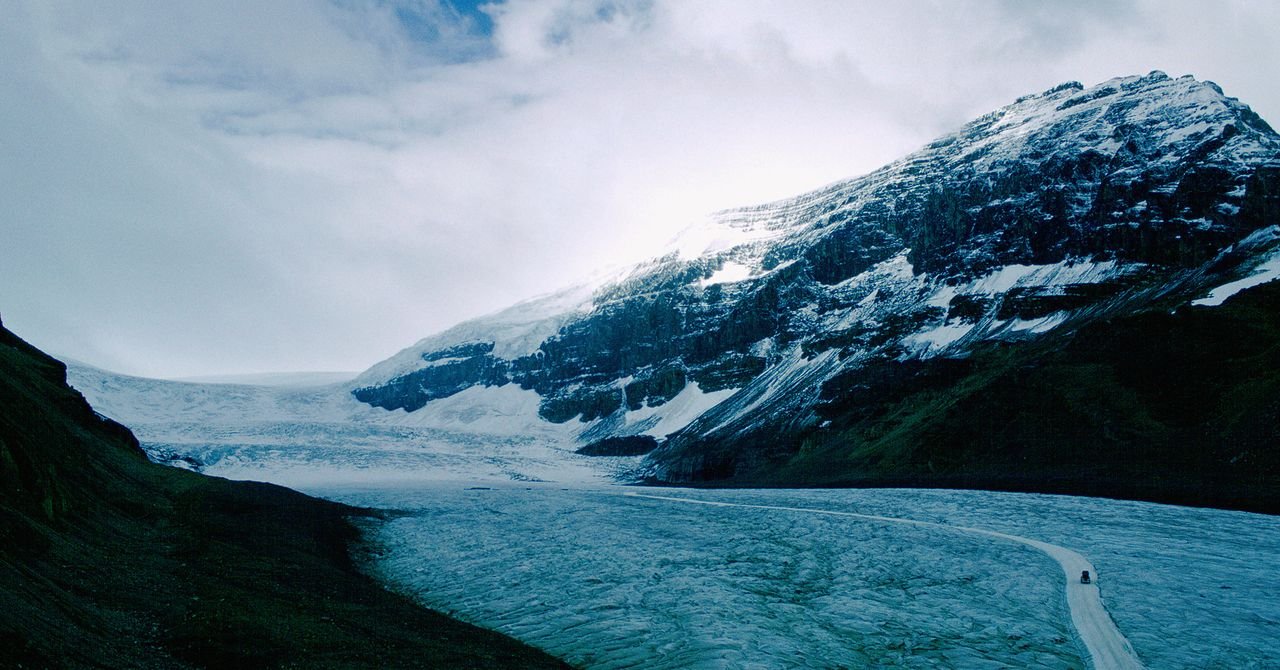
Researchers focused heavily on the Barnes Ice Cap on Canada’s Baffin Island, the last remaining remnant of the massive Laurentide Ice Sheet. By using Beryllium-10 exposure dating on rocks near the glacier, scientists calculated that the ice sheet reached its modern size around 3,600 years ago. Although natural Milankovitch Cycles dictate shifts in Earth’s orbit and rotation, human activity interrupted this predictable cooling timeline.
- Barnes Ice Cap covers an area roughly the size of Delaware.
- Laurentide Ice Sheet once extended as far south as New York.
- Carbon pollution since the 1960s reversed centuries of ice growth.
Moss and Lichen Reveal Ancient Ice Movements
Because the Barnes Ice Cap is frozen directly to the bedrock rather than sliding like typical glaciers, it preserved the delicate organic matter underneath it. When the ice advanced centuries ago, it crushed and killed local mosses. As temperatures shifted, scientists analyzed these preserved remains to map out historical ice expansions.
Instead of facing a natural progression toward a frozen landscape, our current climate reality is shaped entirely by industrial greenhouse gas output. Although burning fossil fuels altered natural planetary cycles, it introduced massive environmental challenges that scientists continue to study.
What This Means for Modern Climate Science
Understanding how early emissions impacted the Barnes Ice Cap gives researchers a clearer baseline for ongoing climate modeling. While avoiding a sudden glacial expansion might sound positive on the surface, the rapid warming caused by fossil fuels brings severe rising sea levels and extreme weather patterns across the globe.
Ultimately, this research highlights how profoundly human industry has altered planetary mechanics. As policymakers debate emissions targets, looking at how fossil fuels intervened in natural ice cycles offers a sobering perspective on humanity’s dominant role in shaping Earth’s geological future.