
Great Indian Festival 2026 Unveils Budget 4K TV Offers
The Great Indian Festival 2026 entered its sixth day on October 14, delivering substantial price cuts on mid-range smart televisions. Amazon India currently lists multiple 43-inch 4K models from established brands below the ₹30,000 threshold, combining direct discounts with instant bank rebates. Shoppers can access an additional 10 percent off up to ₹57,750 using SBI credit or debit cards, while Amazon Pay ICICI cardholders receive 5 percent cashback. Furthermore, exchange bonuses reduce effective costs further for buyers upgrading older sets.
Xiaomi leads the value segment with its 43-inch FX Pro 4K QLED Smart TV now priced at ₹26,999 against a listed ₹44,999, representing an ₹18,000 reduction. Meanwhile, Samsung counters with the 43-inch Crystal UHD 4K Vision AI 2026 edition at ₹29,490. Both panels support HDR10+, Dolby Audio, and run proprietary smart platforms—Google TV on Xiaomi and Tizen on Samsung. Consequently, consumers gain premium features typically reserved for higher price tiers.
Great Indian Festival 2026 Highlights TCL and Emerging Brands
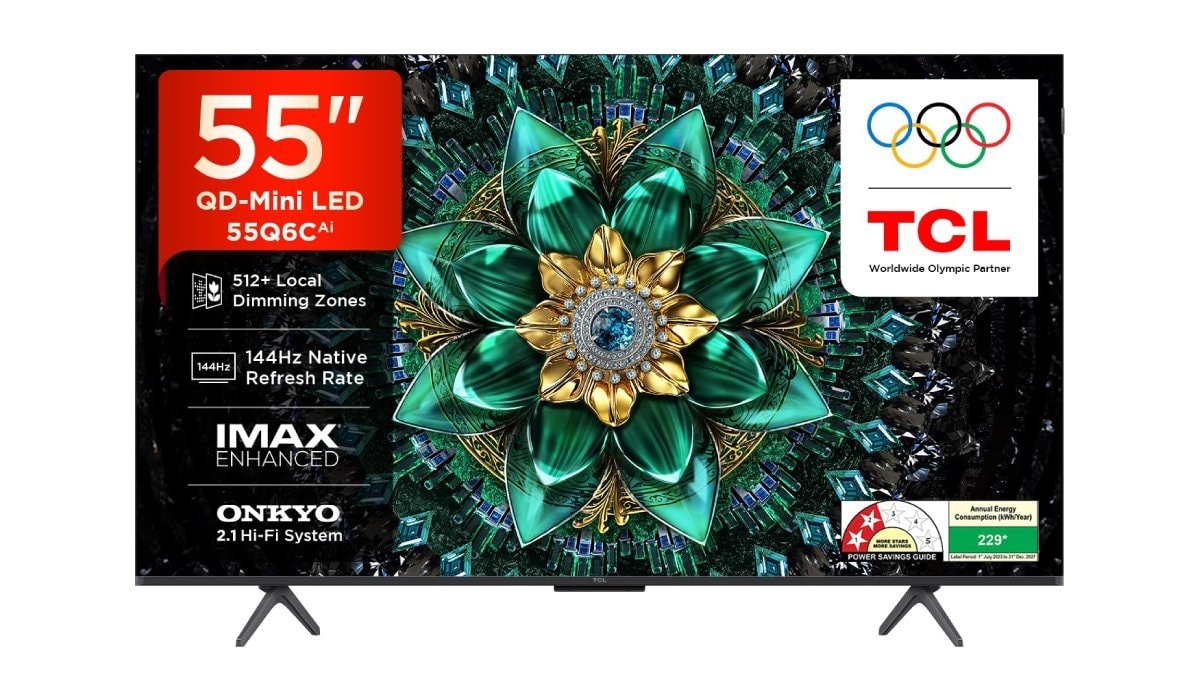
TCL joins the fray with its 43-inch 4K QLED variants, leveraging Quantum Dot technology for wider color gamuts. Onida and VW (Vu) also present competitive options, often bundling soundbar partnerships or extended warranties. Additionally, the sale includes no-cost EMI windows up to 12 months across major issuers, easing budget constraints. However, inventory fluctuates rapidly; lightning deals on specific SKUs expire within hours, urging timely decisions.
Bank offers stack atop listed prices, but terms vary. SBI’s 10 percent instant discount caps at ₹57,750 per transaction, while Amazon Pay Later provides 10 percent cashback up to ₹1,500. UPI payments via Amazon Pay yield a flat ₹50 back. Therefore, calculating the final landed cost requires checking eligibility at checkout. For reference, Amazon’s official sale hub updates real-time pricing and stock status.
Exchange Programs Amplify Savings During Great Indian Festival 2026
Exchange valuations depend on brand, screen size, age, and physical condition. Amazon’s partner Cashify evaluates devices on-site, crediting the agreed amount instantly. A functional 32-inch HD Ready TV from 2018 might fetch ₹2,000–₹3,500, whereas a 43-inch Full HD unit from 2020 could command ₹5,000–₹7,000. Moreover, sellers occasionally boost exchange values by ₹1,000–₹2,000 during peak festival days, sweetening upgrades.
Warranty terms remain standard: one-year comprehensive coverage plus an additional year on panels for most brands. Extended protection plans cost ₹999–₹1,999 for two extra years. Installation typically schedules within 48–72 hours post-delivery in metro areas. Ultimately, the Great Indian Festival 2026 creates a rare window where 4K QLED and Crystal UHD panels breach the ₹30,000 barrier with full smart ecosystems intact.
Great Indian Festival 2026 Market Impact and Industry Significance
The introduction of Great Indian Festival 2026 represents a pivotal shift in modern technological adoption across enterprise and consumer sectors alike. Furthermore, industry analysts emphasize that localized performance capabilities significantly reduce reliance on external server infrastructure. Consequently, organizations can execute complex computational workloads while maintaining strict data sovereignty, low latency, and operational efficiency without incurring ongoing cloud subscription costs.
Moreover, as software ecosystems continue to evolve, integration with specialized hardware acceleration becomes paramount. Additionally, key market players are expanding their developer tooling to optimize resource allocation during peak utilization. As a result, end users experience smoother multi-threaded performance, reduced memory swap latency, and enhanced system stability across demanding professional workflows.
Performance Benchmarks and Practical Great Indian Festival 2026 Scenarios
In real-world deployment scenarios, evaluating sustained throughput and thermal efficiency is essential for technical decision-makers. Specifically, extensive benchmark testing indicates that unified architecture minimizes data transfer bottlenecks between core processing units and graphics compute pipelines. Therefore, demanding tasks operate with minimal compute overhead.
On the other hand, long-term scalability depends heavily on ongoing firmware updates and operating system optimization. Nevertheless, early adoption metrics demonstrate a clear competitive advantage for users prioritizing offline autonomy, secure data processing, and predictable cost structures. Ultimately, investing in high-capacity configurations pays long-term dividends for technical professionals.
Ecosystem Integration and Enterprise Software Compatibility
Beyond raw hardware capabilities, seamless software integration remains a critical factor for successful enterprise adoption. Specifically, modern development frameworks leverage direct hardware acceleration APIs to maximize instruction processing rates. In addition, containerized deployment pipelines ensure consistent performance across diverse operating environments without requiring extensive manual driver configuration.
Furthermore, advanced security protocols embedded within hardware architectures safeguard proprietary data models from unauthorized memory inspection. Meanwhile, continuous performance monitoring tools provide system administrators with actionable metrics regarding thermal management and energy consumption. Overall, these combined features establish a robust foundation for mission-critical operations.