
Helix Carbon Targets Blast Furnace Pollution With Novel Electrolysis
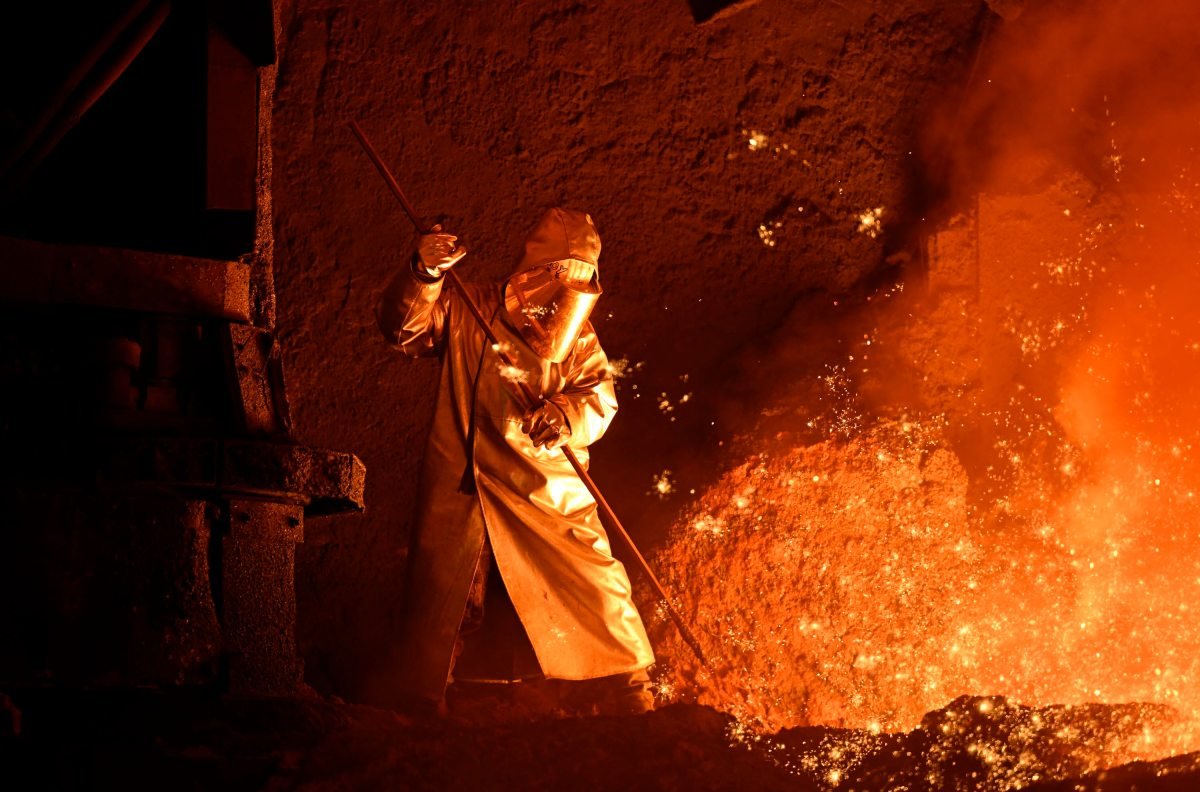
Helix Carbon has introduced a method that captures carbon dioxide directly from blast furnace exhaust and converts it into reusable carbon monoxide. The startup argues that decarbonizing steel without addressing existing blast furnaces will fail, since these massive units can operate for over a century. Rather than replace them, the company installs an electrolyzer that processes the full, untreated exhaust stream — a capability most competing systems lack.
Conventional electrolyzers demand purified CO2, requiring costly cleanup steps before use. Helix Carbon’s design tolerates raw flue gas, stripping oxygen from CO2 molecules to yield carbon monoxide. That gas then re-enters the furnace, displacing a portion of the coke normally burned to drive the reduction reaction. Early modeling suggests a 33 percent coke reduction is achievable, translating to roughly $14 in savings per ton of iron produced.
Thin Margins Make Modest Savings Significant
Iron and steel together represent a $2 trillion global market, yet profit margins remain notoriously slim. A $14-per-ton improvement can shift a facility from loss to profitability. David Brown, co-founder and chief executive, notes that academic estimates for coke displacement range from 30 to 90 percent, though the company is launching with the conservative one-third figure. Furthermore, the approach avoids the capital intensity of building greenfield hydrogen-based plants.
Meanwhile, Helix Carbon plans to serve the specialty chemicals sector first. The same electrolyzer can produce chemical feedstocks on-site from waste streams without separate carbon capture infrastructure. This near-term revenue path helps the startup navigate the industry’s slow equipment turnover cycles. Consequently, the technology could scale faster than full furnace replacements allow.
Industry Adoption Faces Long Equipment Lifecycles
Blast furnaces routinely exceed 100 years of service, creating inertia against wholesale replacement. Helix Carbon’s retrofit model works within that constraint. Additionally, the process cuts direct emissions at the source rather than offsetting them elsewhere. For producers facing tightening carbon regulations, that distinction matters. Ultimately, the startup bets that economic self-interest will drive adoption faster than mandates alone.
For official technical specifications and hardware documentation, visit AMD Official Specifications or MSI Technical Specs.
Helix Carbon Market Impact and Industry Significance
The introduction of Helix Carbon represents a pivotal shift in modern technological adoption across enterprise and consumer sectors alike. Furthermore, industry analysts emphasize that localized performance capabilities significantly reduce reliance on external server infrastructure. Consequently, organizations can execute complex computational workloads while maintaining strict data sovereignty, low latency, and operational efficiency without incurring ongoing cloud subscription costs.
Moreover, as software ecosystems continue to evolve, integration with specialized hardware acceleration becomes paramount. Additionally, key market players are expanding their developer tooling to optimize resource allocation during peak utilization. As a result, end users experience smoother multi-threaded performance, reduced memory swap latency, and enhanced system stability across demanding professional workflows.
Performance Benchmarks and Practical Helix Carbon Scenarios
In real-world deployment scenarios, evaluating sustained throughput and thermal efficiency is essential for technical decision-makers. Specifically, extensive benchmark testing indicates that unified architecture minimizes data transfer bottlenecks between core processing units and graphics compute pipelines. Therefore, demanding tasks operate with minimal compute overhead.
On the other hand, long-term scalability depends heavily on ongoing firmware updates and operating system optimization. Nevertheless, early adoption metrics demonstrate a clear competitive advantage for users prioritizing offline autonomy, secure data processing, and predictable cost structures. Ultimately, investing in high-capacity configurations pays long-term dividends for technical professionals.
Ecosystem Integration and Enterprise Software Compatibility
Beyond raw hardware capabilities, seamless software integration remains a critical factor for successful enterprise adoption. Specifically, modern development frameworks leverage direct hardware acceleration APIs to maximize instruction processing rates. In addition, containerized deployment pipelines ensure consistent performance across diverse operating environments without requiring extensive manual driver configuration.
Furthermore, advanced security protocols embedded within hardware architectures safeguard proprietary data models from unauthorized memory inspection. Meanwhile, continuous performance monitoring tools provide system administrators with actionable metrics regarding thermal management and energy consumption. Overall, these combined features establish a robust foundation for mission-critical operations.