
Technical Specifications and Architectural Breakdown
Mining at this depth requires sophisticated engineering to manage structural integrity, ventilation, and water displacement—elements entirely absent in the Bogor site. In a professional mining operation, a shaft of this depth (100 metres) requires a standardized geotechnical support system, including rock bolting, shotcrete application, and steel ribbing to prevent tunnel collapse. The Bogor site, by contrast, relied on rudimentary manual excavation, leaving the vertical shafts susceptible to the hydrostatic pressure exerted by the overflowing Ciseureuh River.
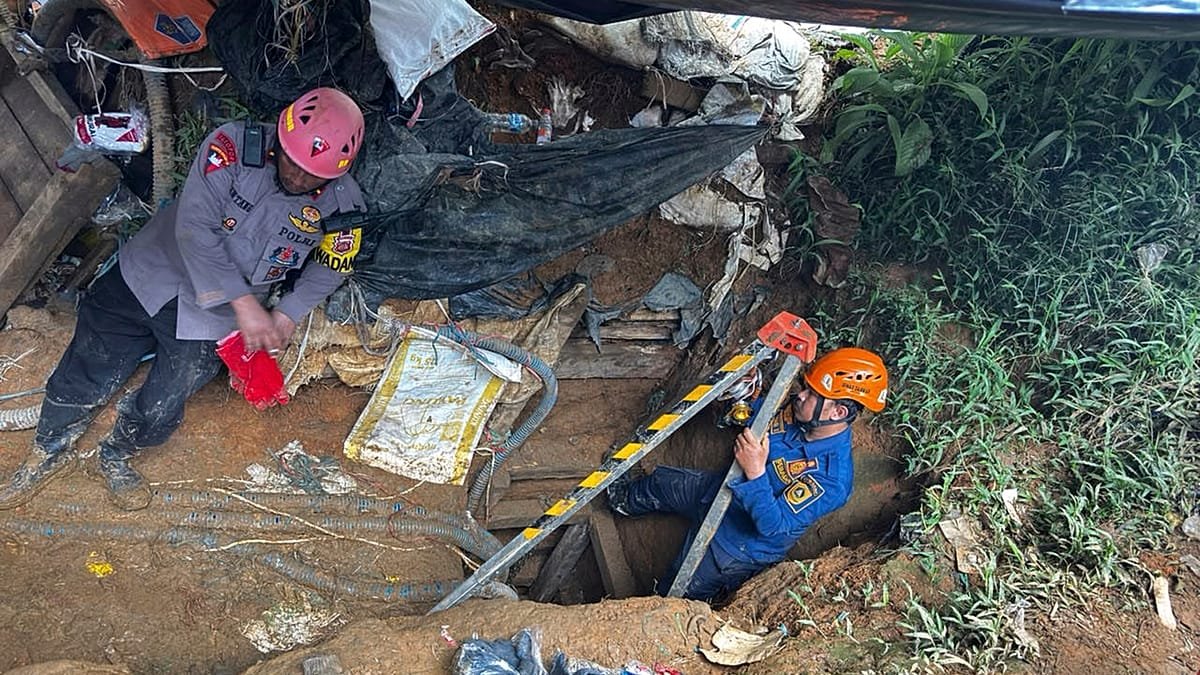
The rescue operation currently underway by the Jakarta Search and Rescue Agency involves 325 personnel utilizing high-capacity submersible pumps. These industrial-grade units are designed to move thousands of litres of water per minute, yet they face severe limitations. The subterranean architecture of the mine lacks the necessary drainage galleries found in modern mining, meaning water cannot be diverted from the primary shafts. Instead, rescuers are forced to pump from the bottom up, a process complicated by the unstable, water-logged geological strata. Rope-access teams are navigating these vertical voids, but the lack of digitized mapping or structural blueprints—standard in any legitimate mining enterprise—means rescuers are essentially operating in an environment of total uncertainty, where every movement risks triggering a secondary collapse.
Industry Landscape and Competitive Comparison
The disparity between the Bogor site and industrial-scale operations, such as the nearby PT Antam facilities, is not merely a matter of scale, but of fundamental safety architecture. Industrial operations utilize real-time seismic monitoring, automated gas detection, and comprehensive ventilation systems that are legally mandated by national mining laws. These facilities operate on a “safety-first” engineering model, where the cost of human life is mitigated by rigorous structural testing and emergency egress protocols.
The following table illustrates the stark operational differences between an unregulated, illegal gold mine and a standardized industrial facility.
| Feature | Illegal Gold Mine (Bogor) | Industrial Facility (e.g., PT Antam) |
|---|---|---|
| Structural Engineering | Ad-hoc, manual excavation | Geotechnical-certified, rock-bolted |
| Regulatory Reporting | None (16-hour delay in reporting) | Real-time telemetry/mandatory logs |
| Water Management | None; prone to flooding | Integrated drainage and diversion |
| Safety Protocols | Non-existent | Redundant emergency egress systems |
Practical Consumer & Enterprise Takeaways
For the broader mining and commodities sector, the Bogor tragedy serves as a grim case study in the risks of supply chain opacity. Enterprises that source gold or precious metals must implement rigorous “know your supplier” (KYS) protocols to ensure their materials are not sourced from artisanal or illegal operations. The cost-benefit trade-off of purchasing lower-cost, illicit gold is increasingly being outweighed by the reputational and legal risks associated with human rights violations and environmental devastation.
Investors and consumers should prioritize entities that adhere to the International Council on Mining and Metals (ICMM) guidelines. These standards mandate transparency in environmental management and worker safety. When a company bypasses these standards, the “cost savings” are effectively subsidized by the lives of the workers and the degradation of the local ecosystem. Upgrading to ethical supply chains is no longer an optional corporate social responsibility initiative; it is a fundamental requirement for risk management in the modern global market.
Frequently Asked Questions
Why is the rescue effort for the trapped miners experiencing such significant delays?
The delay is primarily due to the lack of structural documentation. Because the mine was illegal, there are no blueprints or maps of the subterranean chambers. Rescuers are forced to perform manual assessments of structural integrity while simultaneously managing the influx of floodwater, which significantly slows the deployment of submersible pumps and rope-access teams.
What are the specific geological hazards faced by the rescue teams?
The primary hazards include unstable soil composition, which is prone to liquefaction when saturated, and the risk of further flooding from the Ciseureuh River. The vertical shafts lack the reinforcement of a professional mine, meaning the vibration of heavy machinery or the movement of rescue personnel can trigger a collapse at any moment.
How can the industry prevent similar disasters in the future?
Prevention requires a combination of strict enforcement of mining laws and the formalization of artisanal mining. By bringing smaller operations into a regulated framework, authorities can mandate basic safety infrastructure, such as proper shoring and water diversion, while providing miners with the training necessary to identify and mitigate environmental risks.
The Bottom Line
The tragedy in the Bogor regency is a failure of governance and a testament to the lethal nature of unregulated industrial activity. While the Jakarta Search and Rescue Agency continues its heroic efforts, the underlying issue remains: the absence of safety protocols in an illegal gold mine creates a death trap that no amount of rescue technology can easily rectify. Moving forward, the focus must shift from reactive emergency response to proactive regulatory oversight. Until illegal mining operations are brought under the purview of national safety standards, the cycle of environmental and human catastrophe will inevitably continue, leaving both the landscape and its workers in a state of permanent peril.