
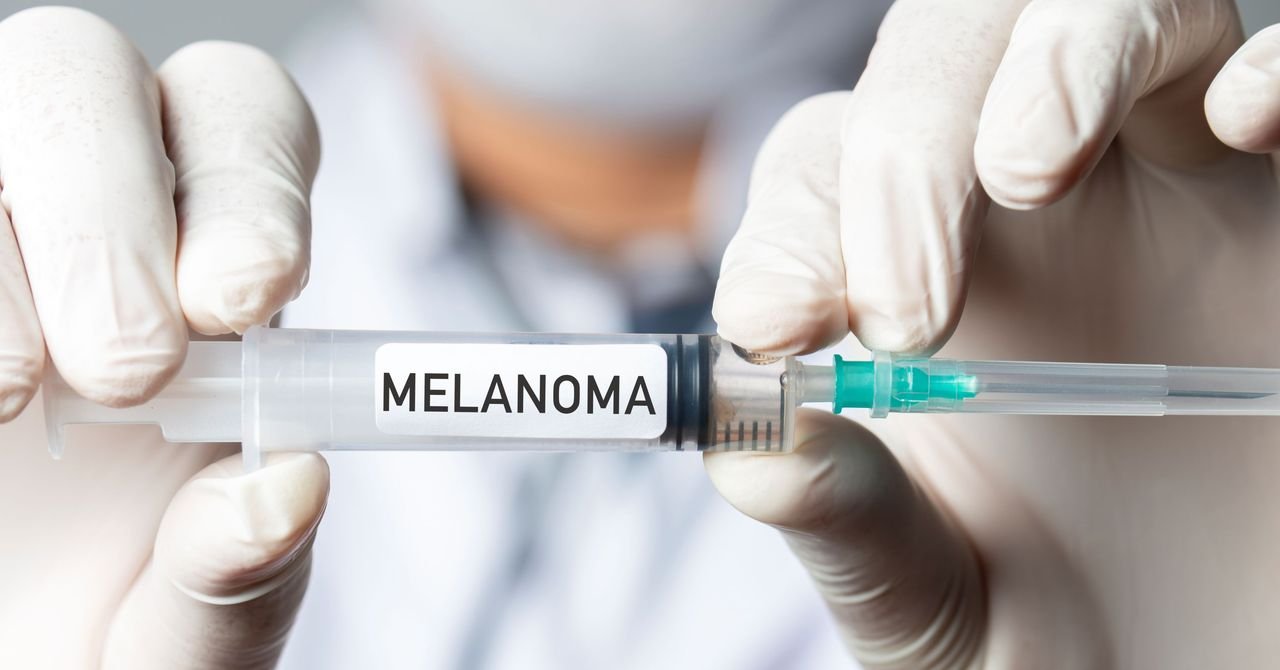
How the New mRNA Vaccine Targets Skin Cancer
Pharmaceutical giants Merck and Moderna are shaking up oncology with a personalized mRNA vaccine that significantly lowers disease recurrence. Designed for patients fighting aggressive skin cancer, the experimental treatment pairs with standard immunotherapy to outsmart stubborn tumor cells. In recent Phase 3 clinical data, this combination reduced the risk of cancer recurrence or death by an impressive 42 percent compared to standalone drug treatments.
Led by principal investigator Dr. Georgina Long at the Australian Melanoma Institute, the INTerpath-001 study tracked 1,137 high-risk patients who underwent surgery to remove their tumors entirely. Because conventional therapies often leave residual microscopic cells behind, researchers engineered a targeted solution. Instead of a one-size-fits-all approach, scientists analyzed individual tumor samples to isolate up to three unique molecular mutations unique to each patient.
Mrna Vaccine: Inside the INTerpath-001 Trial Results
During the nearly 25-month follow-up period, the clinical findings revealed massive real-world benefits for trial participants. Patients receiving both Pembrolizumab and the custom mRNA vaccine showed an 82.2 percent recurrence-free survival rate. Meanwhile, the control group receiving only the immunotherapy drug sat at 70 percent. Furthermore, the experimental treatment lowered the odds of the cancer spreading to distant body organs by 38 percent.
- Combination Therapy: Pembrolizumab plus Intismeran Autogene.
- Recurrence Reduction: 42 percent lower risk overall.
- Safety Profile: Mild side effects including fatigue, fever, and arm soreness.
Although participants reported typical injection-site aches and temporary fatigue, the safety data closely mirrored earlier Phase 2 trials. Because the side effects remained manageable, doctors are optimistic about wider clinical adoption.
What Personalized Biotech Means for Patients
In terms of Mrna Vaccine, This breakthrough marks a defining shift toward tailored medicine. For decades, oncologists relied on generalized chemotherapy and broad immunotherapy drugs that attacked healthy tissue alongside cancerous cells. By sequencing individual tumor signatures, modern laboratories can now train a patient’s immune system to hunt down specific protein markers.
As medical researchers push these therapies toward regulatory approval, the healthcare sector is entering an era of precision oncology. Although manufacturing individualized biological treatments remains costly and complex, the reduction in deadly cancer relapses justifies the logistical hurdles. Ultimately, this milestone proves that genetic sequencing and targeted immunization will drive the future of disease prevention.
For additional reporting, see wired Reporting.