
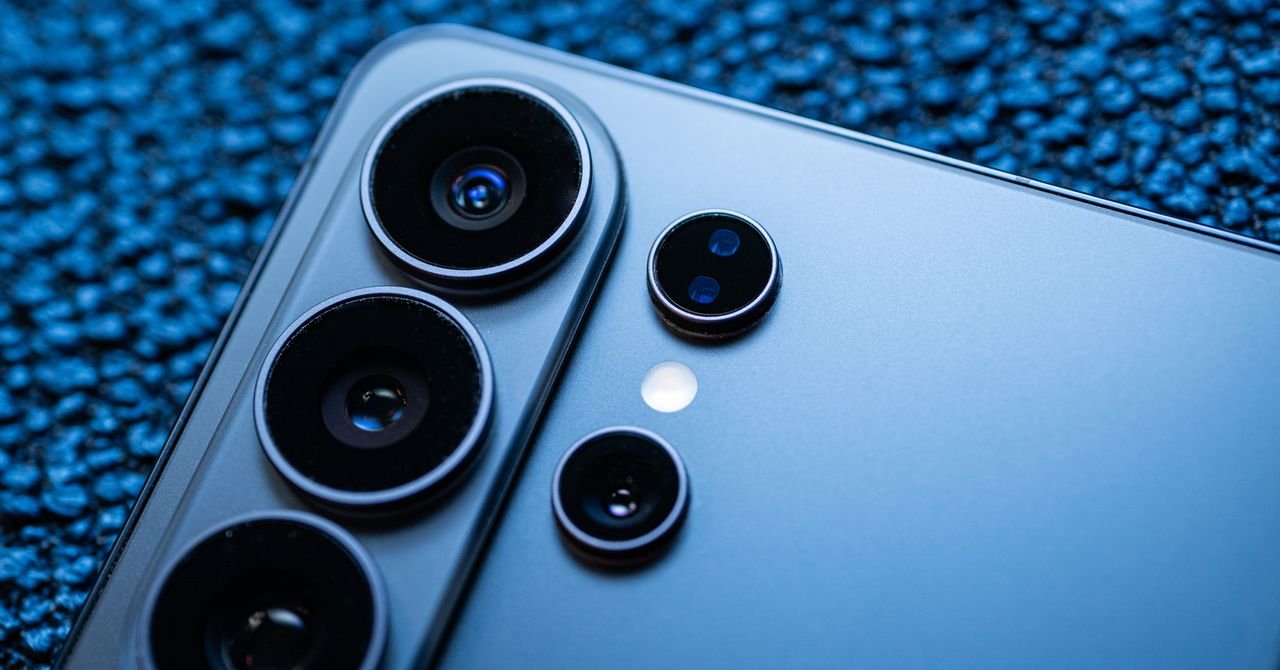
Metalenz Acquires PxE to Boost Smartphone Camera Power
The fundamental architecture of your smartphone camera power has remained stagnant since 1974, but that is about to change. Boston-based Metalenz has officially acquired Israeli startup PxE Holographic Imaging, a move set to transform how mobile devices capture light. By integrating PxE’s unique HoloCoder technology, the company aims to move past the limitations of the aging Bayer filter, which currently discards nearly 60 percent of incoming light.
Smartphone Camera Power: The End of Light-Absorbing Bayer Filters
For decades, the Bayer filter has been the industry standard, using a red, green, and blue layer to add color to digital images. However, this process is inherently wasteful. To create a single red pixel, the filter physically blocks green and blue light waves. This inefficiency significantly hampers smartphone camera power, especially in low-light environments where every photon counts. By replacing this absorption-based method with microscopic structures that diffract and bend light, the new HoloCoder layer ensures that more data reaches the sensor.
Capturing Depth Without Secondary Sensors
Beyond simple light collection, the integration of HoloCoder tech offers a secondary breakthrough. Currently, manufacturers rely on secondary cameras or AI-driven guesswork to calculate depth for portrait mode. The HoloCoder combines light sensing and 3D depth mapping into a single, slim layer. This consolidation is a massive win for smartphone camera power, as it simplifies the internal architecture of handsets, potentially saving space for larger batteries or other critical components.
Industry Impact and Future Roadmap
- Increased Light Sensitivity: The sensor can collect up to 2.5 times more light than traditional systems.
- Integrated Depth Sensing: Eliminates the need for bulky secondary depth-mapping cameras.
- Polarization Capabilities: Enables advanced security features like the upcoming Polar ID.
- Space Efficiency: Reduces the number of lens elements required, slimming down camera bumps.
Metalenz, which launched in 2021, has already shipped over 300 million metasurface optics. Their expertise in nanostructures, combined with PxE’s holographic imaging, creates a formidable pipeline for future hardware. While major players like Apple, Samsung, and Google continue to pour hundreds of millions into software processing, Metalenz is betting on physical hardware improvements to reclaim the light that traditional systems throw away.
What This Means for Future Flagships
As confirmed by CEO Rob Devlin, the goal is to unlock data that current sensors simply cannot reach. By patterning microscopic structures directly onto the sensor, the company is bypassing the software-heavy reliance of modern flagships. We can expect this smartphone camera power upgrade to appear in consumer devices as early as 2027, starting with the Polar ID biometric system developed in partnership with Qualcomm. This shift represents a return to fundamental optical physics, proving that even in an age of AI, the physical lens remains the most critical component of smartphone camera power.
For full official background and direct documentation, read the source coverage on wired Reporting.