
Mesh Wi-fi System: How Ethernet Cables Fix Slow Wireless Backhaul Connections
Upgrading your home network with a mesh Wi-Fi system is the easiest way to eliminate dead zones and maintain steady speeds in every room. However, standard wireless setups often bottleneck network performance. By default, routers use a wireless backhaul to shuffle data between nodes. That convenience comes with a major catch: distance reduces signal strength, which slashes bitrates and limits overall bandwidth. Instead of relying purely on airwaves, savvy users are turning to physical wires to maximize performance.
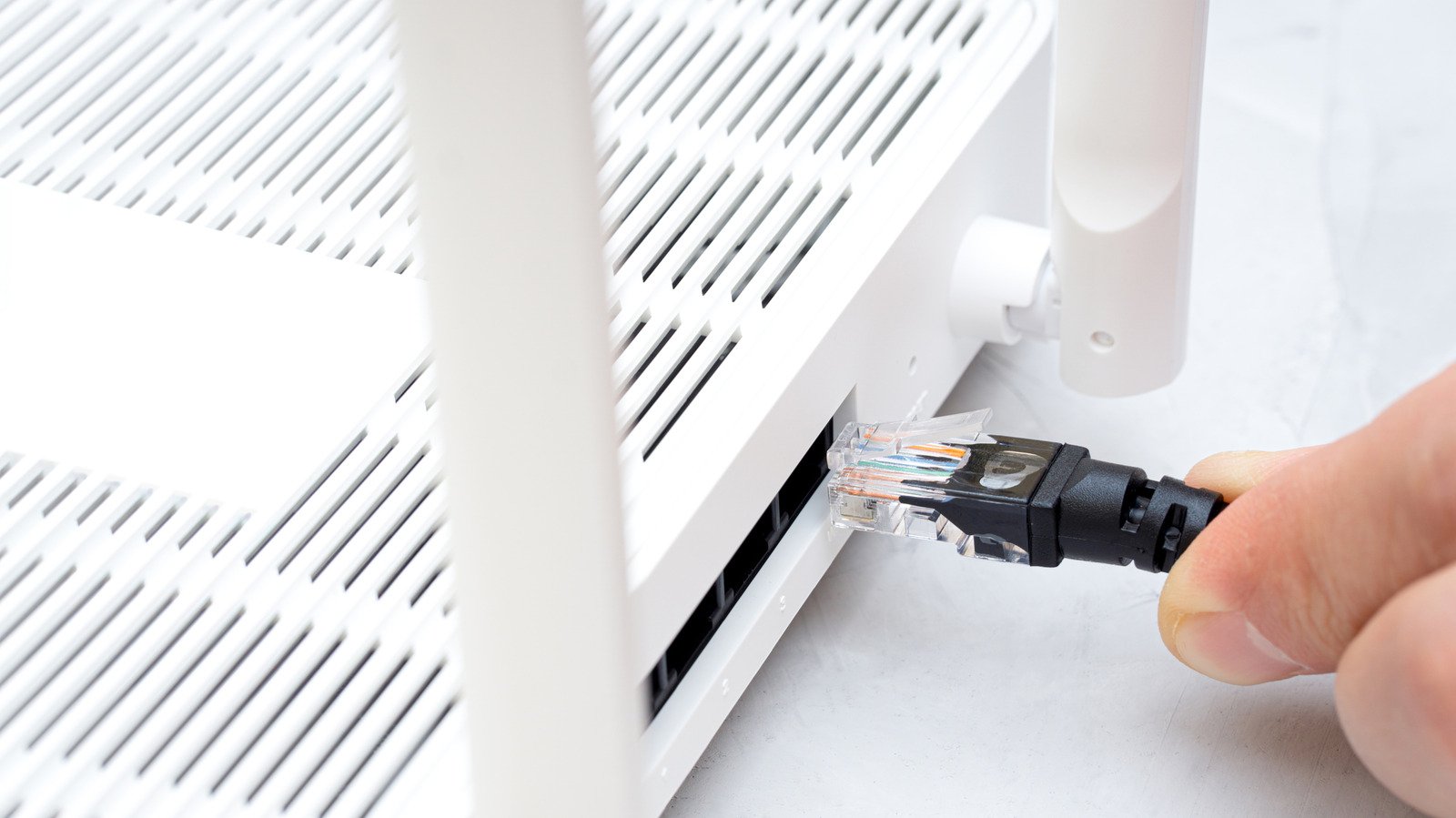
When signals travel through walls, performance drops by hundreds of megabits. Cheaper dual-band hardware compounds the issue by forcing user devices and node communication to share the exact same frequencies. That design choice throttles your connection before your phone or laptop even connects. Integrating a physical wire instantly bypasses this limitation. In fact, running a Cat 6 cable between nodes delivers a rock-solid 1 Gbps connection across the house without breaking a sweat.
Mesh Wi-fi System: The Practical Hurdle of Running Wires Through Walls
While physical wiring solves bandwidth starvation, it introduces a fresh set of logistical challenges. Stretching long cables through a multi-story house requires patience, cable clips, and sometimes drilling through drywall. Apartment dwellers might only need a few dozen feet of wire, but homeowners face a much larger installation burden. That friction explains why most consumers stick with default wireless configurations despite the performance penalty.
For those willing to put in the effort, the physical upgrade transforms home networking. Here are the primary benefits of switching to a wired backhaul:
- Instant elimination of wireless backhaul interference
- Consistent multi-gigabit speeds across every single node
- Full bandwidth availability for connected phones and laptops
- Maximized utility for high-end tri-band and quad-band hardware
That said, standard standalone routers still hold an edge if you prefer shoving bandwidth-hungry smart home accessories onto a far-reaching 2.4GHz band. But for heavy daily use, a wired mesh Wi-Fi system delivers superior stability.
The Bottom Line for Your Home Network
Ultimately, a high-performance mesh Wi-Fi system represents a major investment in daily digital comfort. Although running physical wires across your home takes time, the payoff in speed and reliability is massive. If your current setup struggles with streaming video or large downloads in remote rooms, check out PCMag’s network guide for more optimization tips. By ditching wireless congestion in favor of a wired backhaul, your network finally operates at peak efficiency.