
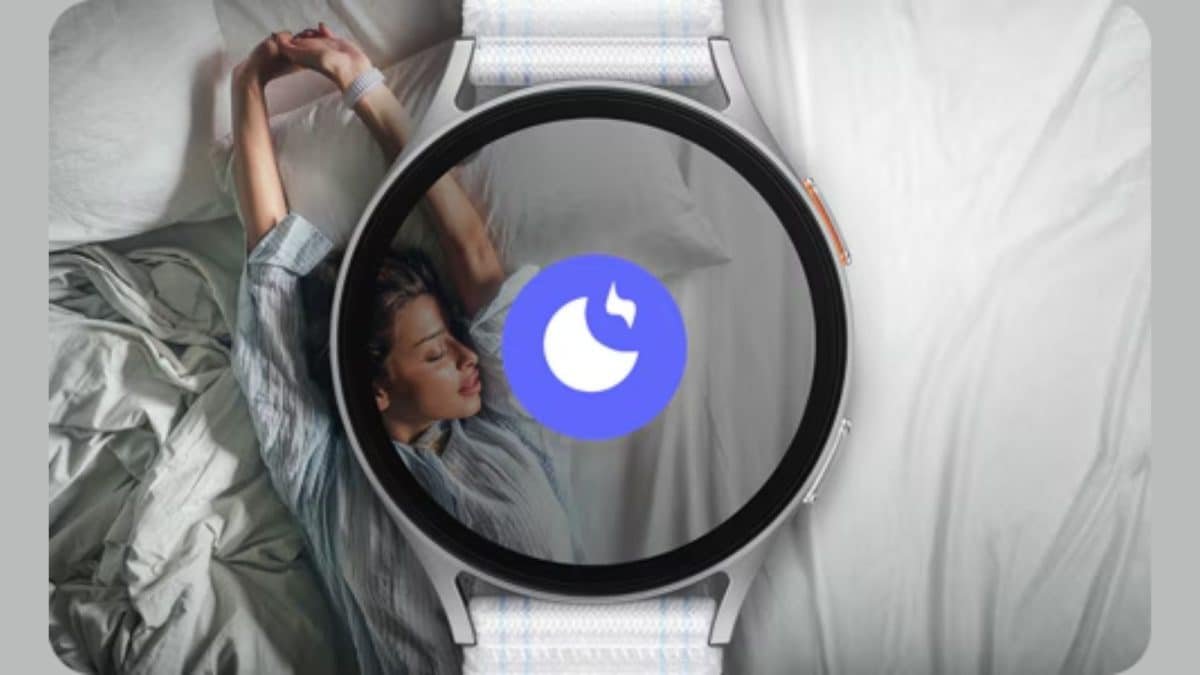
The evolution of wearable technology has reached a critical inflection point. For years, the consumer electronics industry has marketed smartwatches as fitness companions—tracking steps, calories, and heart rates. However, the recent move by Samsung to deploy an FDA-cleared sleep apnea detection algorithm marks a transition from passive activity tracking to active clinical monitoring. By integrating this sophisticated diagnostic tool into the Galaxy Watch ecosystem, Samsung is positioning its hardware not merely as a peripheral, but as a legitimate entry point into the healthcare pipeline. This shift addresses a massive, often undiagnosed global health burden: obstructive sleep apnea (OSA), a condition that affects millions yet remains largely undetected due to the high barrier to entry for traditional clinical sleep studies.
Technical Specifications and Architectural Breakdown
The efficacy of the new respiratory algorithm lies in its reliance on high-fidelity sensor fusion. Unlike legacy sleep trackers that rely solely on basic actigraphy—measuring movement to infer sleep states—the Samsung implementation utilizes the PPG (photoplethysmography) sensor array to monitor blood oxygen levels (SpO2) and heart rate variability (HRV) during nocturnal hours. The underlying architecture processes these data streams to identify the specific physiological signatures of apnea: the characteristic drops in oxygen saturation levels followed by rapid heart rate spikes as the body struggles to resume breathing.
The technical requirement of two five-hour sleep sessions within a ten-day window is a calculated engineering constraint. This duration ensures that the algorithm captures a statistically significant sample size, minimizing false positives that could arise from a single night of disrupted sleep caused by external factors like alcohol consumption or environmental noise. By requiring a ten-day observation period, the software establishes a baseline for the user’s normal respiratory rhythm, allowing the AI to isolate genuine breathing disturbances from transient anomalies. The data is processed locally on the device and synchronized with the Samsung Health platform, which performs the final analytical categorization—classifying results into mild, occasional, or frequent levels of severity based on the frequency of respiratory events identified during the observation period.
Industry Landscape and Competitive Comparison
Samsung is not operating in a vacuum. The race to capture the “clinical-grade” wearable market has intensified, with Apple and Oura aggressively pursuing similar diagnostic certifications. While Apple has opted for a thirty-day longitudinal analysis, Samsung’s tighter ten-day window offers a faster path to actionable data, though it requires more consistent nightly wear. The competitive landscape is currently defined by who can provide the most medical utility without inducing “alarm fatigue” in the user base.
| Feature | Galaxy Watch (New Models) | Apple Watch Series 10 | Legacy Galaxy Watch (4/5/6) |
|---|---|---|---|
| Sleep Apnea Detection | Yes (FDA Cleared) | Yes (Breathing Disturbances) | No |
| Required Data Window | 10 Days (2 sessions) | 30 Days | N/A |
| Sensor Reliance | PPG/SpO2/HRV | PPG/Accelerometer | Basic Actigraphy |
| Clinical Status | FDA Cleared | FDA Cleared | Consumer Wellness Only |
Practical Consumer & Enterprise Takeaways
For current owners of legacy hardware, this update presents a clear trade-off. The exclusion of the Galaxy Watch 4, 5, and 6 series from this feature set is a significant limitation. While these older devices possess the necessary PPG sensors, the computational overhead required to run the validated AI model—and the stringent regulatory requirements surrounding the software—means that users seeking this specific health insight will need to upgrade to the latest flagship hardware. This is a common strategy in the industry to ensure that sensor accuracy meets the high standards required for medical classification.
For those considering an upgrade, the value proposition is no longer about faster processors or brighter screens, but about long-term health risk mitigation. Obstructive sleep apnea is a known precursor to hypertension, cardiovascular disease, and metabolic disorders. By identifying these patterns early, users can provide their primary care physicians with objective data, potentially accelerating the path to a formal in-lab sleep study. However, users must remember that this is a screening tool, not a diagnostic replacement. It serves to inform the user that a conversation with a physician is necessary, rather than providing a definitive clinical diagnosis.
Frequently Asked Questions
Does this feature provide a medical diagnosis of sleep apnea? No. The Galaxy Watch tool is designed to detect signs of moderate to severe obstructive sleep apnea. It is intended for use as a screening aid. All results should be discussed with a qualified healthcare professional who can perform a formal sleep study to confirm a diagnosis.
Why are older Galaxy Watch models excluded from this update? The exclusion is primarily due to the strict regulatory validation required for the algorithm. Samsung has optimized the software for the sensor arrays and processing capabilities of the latest hardware to ensure the accuracy levels demanded by the FDA. Older models do not meet the current validation criteria for this specific medical-grade application.
Can I use this feature if I have a pacemaker or other heart-related devices? The current documentation for the Galaxy Watch sleep apnea feature advises users with existing cardiac conditions to consult their doctor before relying on the data. While the sensors are generally safe, the interpretation of the results may be complicated by underlying heart conditions, and a physician should determine if this tracking is appropriate for your specific health profile.
The Bottom Line
The rollout of the sleep apnea AI tool on the Galaxy Watch signifies the maturation of wearable technology. We are moving past the era of “wellness gadgets” and into the era of “preventative health companions.” While the requirement for newer hardware may frustrate owners of previous generations, the clinical value provided by this software is substantial. By democratizing access to respiratory data, Samsung has provided a meaningful tool for users to take agency over their own health. As long as users maintain a balanced perspective—viewing the watch as a screening assistant rather than a primary care physician—this update represents a genuine advancement in the utility of modern consumer electronics.