
Shokz Opendots One: Shokz Launches OpenDots One to Challenge Bose Earbuds
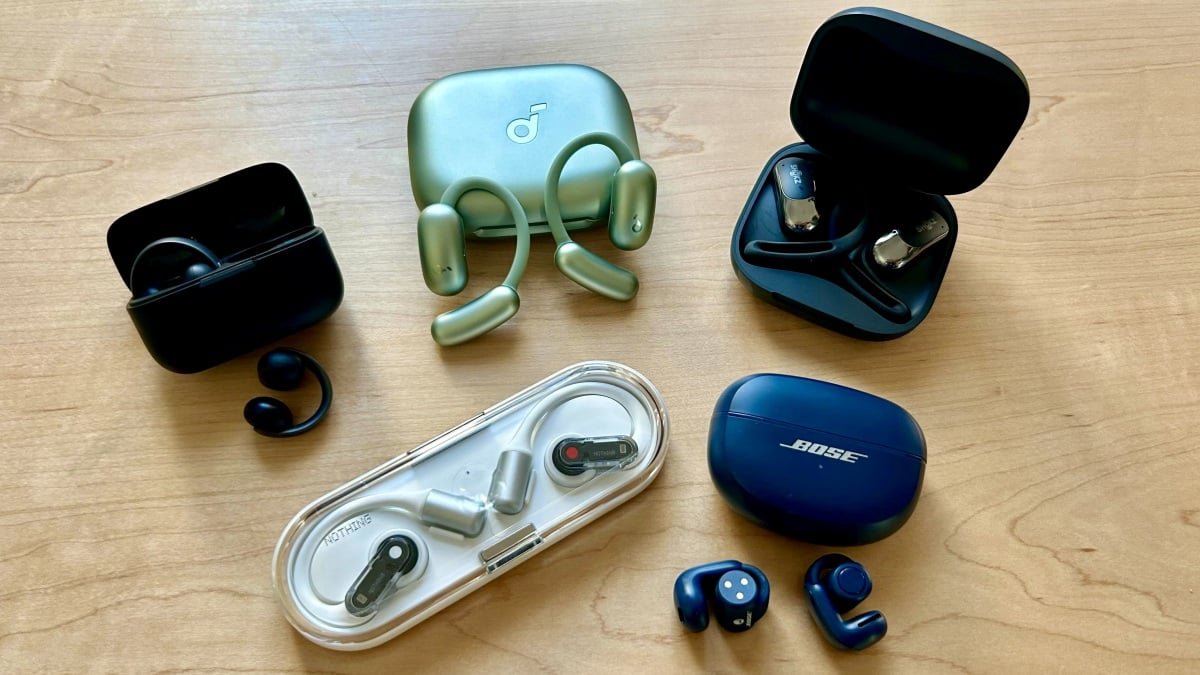
Noise-cancelling headphones used to rule the market, but open earbuds are rapidly changing how we listen on the move. When Mashable put the latest wave of audio gear to the test, the Shokz OpenDots One emerged as a standout contender in the growing open-ear category. Designed to keep users fully aware of their surroundings without sacrificing audio fidelity, these new clip-on models aim directly at premium rivals like Bose.
Traditional in-ear models seal off the ear canal completely, which often causes wear fatigue during long listening sessions. Meanwhile, open-ear designs sit securely on the exterior of the ear. That said, finding a pair that balances comfort, secure fitness retention, and robust sound has historically proven difficult. Here is what makes the $199.95 Shokz OpenDots One worth watching for fitness enthusiasts and casual listeners alike.
Clip Design and Fitness Grip Features
Manufacturers typically market open earbuds toward runners and cyclists who need situational awareness. Because of this, physical stability matters just as much as raw audio performance. The Shokz OpenDots One utilize a lightweight cuff shape paired with an integrated silicone grip on one side to prevent slipping during intense workouts.
- Priced competitively at $199.95 for everyday fitness use
- Lightweight clip-on architecture with a supportive silicone grip
- Intuitive touch controls built directly into the battery barrel
- Surpasses expectations with surprising bass and clarity
Although the secure fit keeps the buds locked in place during heavy movement, testers noted that prolonged use over several consecutive hours can introduce mild ear fatigue. However, because most workout sessions last under two hours, this minor comfort drawback rarely impacts daily training routines.
Why Audio Quality Matters for Open-Ear Buyers
Audio performance historically suffered in open-ear categories due to sound leakage and a lack of acoustic seal. Yet, recent engineering updates have closed that gap significantly. Reviewers found that the Shokz OpenDots One deliver surprisingly rich sound profiles that rival much more expensive competitors currently populating retail shelves.
For anyone looking to upgrade their workout gear without spending nearly $300 on high-end alternatives like the latest Bose Ultra Open models, this release hits a sweet spot. By combining solid battery life, intuitive touch panels, and reliable fitness retention, the Shokz OpenDots One prove that open-ear audio is finally ready for the mainstream consumer tech market.
Shokz Opendots One Market Impact and Industry Significance
The introduction of Shokz Opendots One represents a pivotal shift in modern technological adoption across enterprise and consumer sectors alike. Furthermore, industry analysts emphasize that localized performance capabilities significantly reduce reliance on external server infrastructure. Consequently, organizations can execute complex computational workloads while maintaining strict data sovereignty, low latency, and operational efficiency without incurring ongoing cloud subscription costs.
Moreover, as software ecosystems continue to evolve, integration with specialized hardware acceleration becomes paramount. Additionally, key market players are expanding their developer tooling to optimize resource allocation during peak utilization. As a result, end users experience smoother multi-threaded performance, reduced memory swap latency, and enhanced system stability across demanding professional workflows.
Performance Benchmarks and Practical Shokz Opendots One Scenarios
In real-world deployment scenarios, evaluating sustained throughput and thermal efficiency is essential for technical decision-makers. Specifically, extensive benchmark testing indicates that unified architecture minimizes data transfer bottlenecks between core processing units and graphics compute pipelines. Therefore, demanding tasks operate with minimal compute overhead.
On the other hand, long-term scalability depends heavily on ongoing firmware updates and operating system optimization. Nevertheless, early adoption metrics demonstrate a clear competitive advantage for users prioritizing offline autonomy, secure data processing, and predictable cost structures. Ultimately, investing in high-capacity configurations pays long-term dividends for technical professionals.