
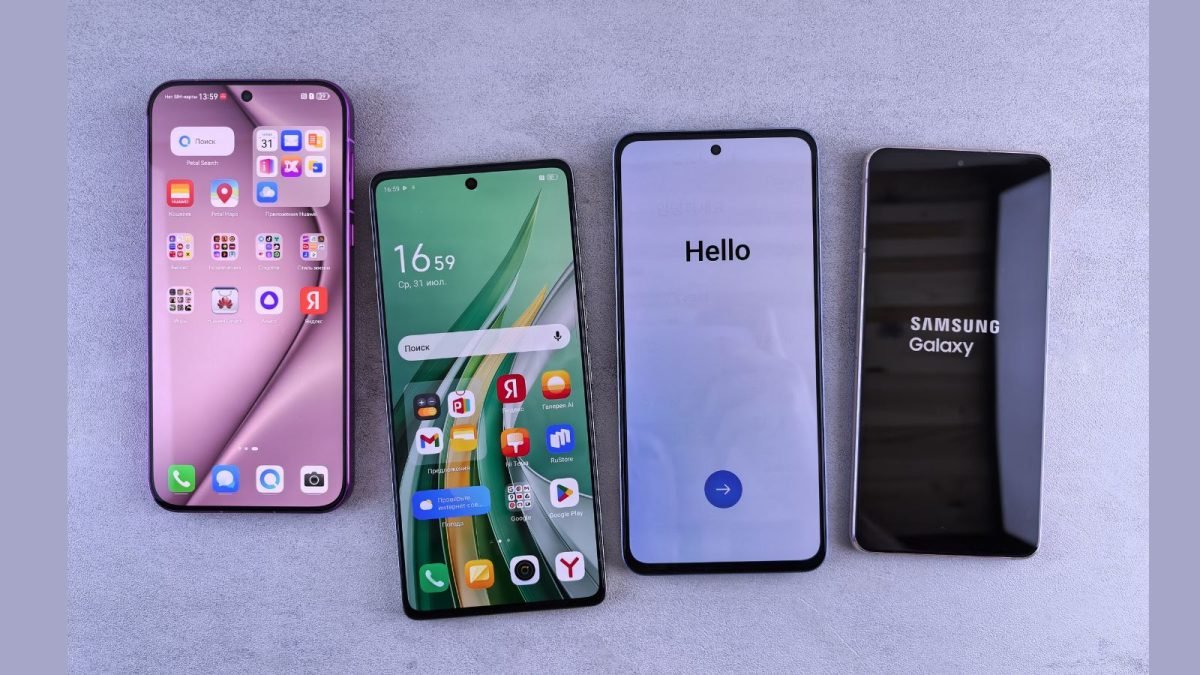
The global electronics supply chain has long operated on the assumption of perpetual growth, a model predicated on the idea that consumers will consistently upgrade their handsets every two to three years. However, the latest data from Counterpoint Research reveals a stark departure from this trajectory. Smartphone shipments across India plummeted by 20% year-on-year during the third quarter of 2026, marking the lowest distribution levels in a decade. This contraction is not merely a seasonal anomaly; it represents a fundamental shift in the relationship between manufacturers, component suppliers, and the end user. As inflationary pressures and technical bottlenecks collide, the era of the “unlimited upgrade” is being replaced by a period of cautious, value-driven consumption.
Technical Specifications and Architectural Breakdown
The root cause of this market stagnation lies deep within the bill of materials (BOM). Smartphone shipments have historically been driven by the democratization of high-end features—such as high-refresh-rate AMOLED displays and sophisticated multi-camera arrays—into the sub-Rs 20,000 tier. This was made possible by the stabilization of memory pricing and the maturation of 5G chipsets from vendors like MediaTek and Qualcomm.
In 2026, the cost of silicon and volatile memory (DRAM and NAND flash) surged due to geopolitical supply constraints and increased demand from the burgeoning AI server sector. When component costs rise, manufacturers face a binary choice: erode their margins or pass the costs to the consumer. Many have chosen a third, more subtle path: hardware degradation. We are seeing a shift in architectural priorities where manufacturers are opting for older, more power-efficient 6nm or 7nm fabrication processes rather than the latest 3nm nodes to save on production costs. Furthermore, to maintain price points, brands are reverting to eMMC 5.1 storage instead of the faster UFS 3.1 or 4.0 standards, which directly impacts read/write speeds, application loading times, and overall system longevity. This “spec-shaving” approach ensures that the device meets a specific retail price, but it compromises the user experience, leading to handsets that feel sluggish after only a few months of use.
Industry Landscape and Competitive Comparison
The competitive landscape has shifted significantly as brands attempt to navigate this volatility. Samsung’s return to the top spot, capturing 17% of the market, suggests that brand equity and supply chain diversification remain the most effective defenses against market downturns. In contrast, brands that rely heavily on aggressive pricing within the budget segment—where the 47% drop in shipments was most acute—have struggled to maintain their foothold.
The following table outlines the current strategic divergence among major players, comparing their approach to the 2026 market climate:
| Brand | Primary Strategy | Hardware Focus | Market Positioning |
|---|---|---|---|
| Samsung | Supply Chain Resilience | Balanced, reliable internals | Premium/Mid-range stability |
| Vivo | Design & Camera Focus | High-spec optics, lower CPU | Youth-oriented aesthetics |
| Xiaomi | Inventory Optimization | Performance-per-dollar | Mass-market value seeker |
The data indicates that while brands like Vivo and Xiaomi are attempting to maintain volume through aesthetic appeal and niche feature sets, the market is increasingly favoring brands that can guarantee software support and build quality over those that simply pack the highest numbers into a spec sheet.
Practical Consumer & Enterprise Takeaways
For the average consumer, the current market climate necessitates a change in purchasing strategy. If you are in the market for a new device, the primary takeaway is that the “budget” tier has become a minefield of compromises. A device priced at Rs 18,000 today likely offers less raw performance and slower storage than a device at the same price point two years ago.
For enterprise users, the recommendation is to extend the lifecycle of existing fleets. Given that hardware innovation has plateaued and price-to-performance ratios have worsened, the cost of replacing devices now outweighs the incremental gains in productivity. Organizations should prioritize software maintenance and battery health programs to keep current hardware operational for an additional 12 to 18 months. If an upgrade is unavoidable, prioritize devices with UFS 3.1 storage and at least 8GB of RAM, as these components are essential for maintaining system responsiveness under modern Android workloads.
Frequently Asked Questions
Why are smartphone prices rising despite the technology becoming older?
The price of a smartphone is determined by the global cost of raw materials, including rare earth metals, silicon wafers, and memory chips. When global supply chains are disrupted, these costs rise. Manufacturers are currently passing these increased overheads to consumers to protect their bottom lines, often while using slightly older, cheaper components to keep the retail price from ballooning further.
Should I buy a 4G phone in 2026 to save money?
While 4G devices are cheaper, they are nearing the end of their viability. As network providers prioritize 5G infrastructure, 4G spectrum efficiency is likely to decline in urban areas. Unless your budget is strictly capped, a 5G-enabled device remains a better long-term investment for connectivity and resale value.
Is it better to buy a refurbished flagship or a new budget phone?
In the current market, a refurbished flagship from two years ago often outperforms a brand-new budget device in terms of build quality, camera performance, and processor speed. If you can verify the battery health and the seller’s warranty, a refurbished high-end handset is the superior choice for most users.
The Bottom Line
The 20% decline in smartphone shipments serves as a sobering reminder that the mobile industry is not immune to the laws of economic gravity. The era of rapid, low-cost hardware evolution has hit a wall, defined by rising component costs and a saturation of the budget segment. For manufacturers, the path forward requires a shift from chasing volume to prioritizing sustainable margins and product longevity. For consumers, the message is clear: the days of “cheap and fast” are over. Buyers must now be more discerning, prioritizing long-term reliability and software longevity over the fleeting appeal of entry-level hardware that risks becoming obsolete within a year.
4 thoughts on “Smartphone Shipments Drop 20% As Component Costs Surge”