
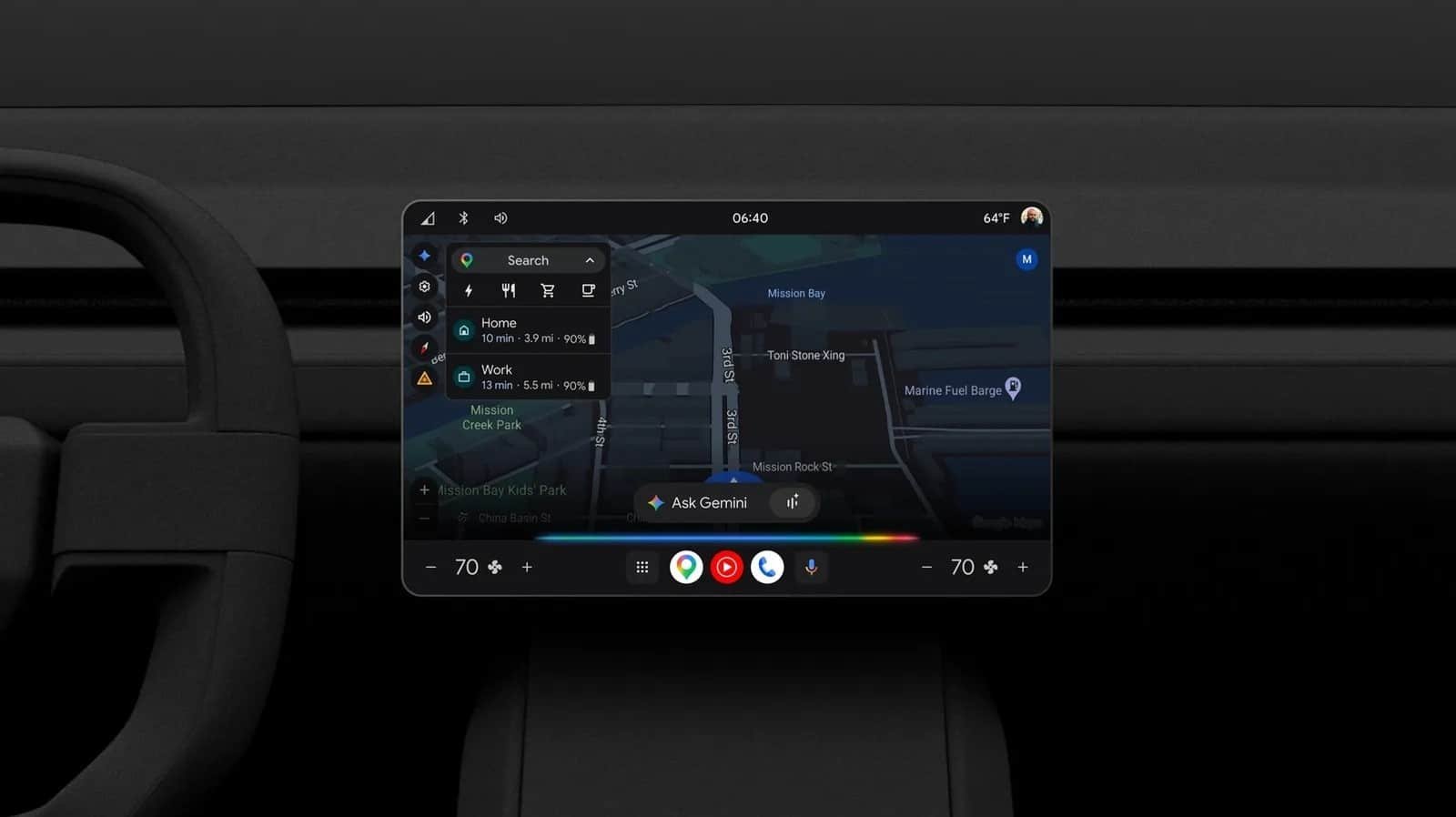
Understanding Android Automotive Google Built-in Systems
Car manufacturers are shifting away from phone mirroring toward native infotainment platforms, and the Android Automotive Google Built-in distinction matters for every driver. Unlike Android Auto which simply projects a phone screen, both systems operate independently without requiring a connected device. General Motors adopted this approach in 2023, replacing Android Auto with a licensed Google solution. Some motorists worry these changes prioritize data collection or subscription revenue over genuine usability improvements.
Google now powers two distinct in-vehicle software stacks. The first is an open-source foundation that automakers customize extensively. The second is a branded application suite licensed separately. Understanding which system your vehicle runs determines everything from interface design to available features and long-term update support.
How Android Automotive Google Built-in Architecture Differs
Android Automotive serves as a complete operating system managing radio, climate controls, cameras, mirrors, lighting, seat adjustments, and instrument clusters. Manufacturers build proprietary interfaces atop this open-source base, adding custom apps and unique layouts. Rivian demonstrates this flexibility—its Rivian OS relies on the architecture yet carries zero Google branding. Drivers often never realize Google technology underpins their dashboard.
Conversely, Google Built-in represents a curated application package including Google Maps, Google Assistant, and the Gemini AI model. Automakers integrate these apps into their Android Automotive implementations through licensing agreements. This arrangement delivers familiar Google services while preserving manufacturer control over core vehicle functions. The separation allows brands like Volvo and Polestar to offer Google navigation alongside proprietary vehicle management tools.
Practical Impact on Daily Driving Experience
Vehicle owners encounter tangible differences depending on which configuration their car employs. Systems built purely on the open-source stack may lack Google Maps or Assistant unless separately licensed. Those with the full application suite provide seamless voice control, real-time traffic routing, and Play Store access for third-party apps like Spotify or Waze. However, manufacturers retain authority over system updates, meaning feature rollouts vary significantly between brands.
Phone compatibility remains broad across both approaches. Neither requires an Android handset—iPhone users connect via Bluetooth for calls and media while the car handles navigation independently. Signing into a Google account syncs preferences, saved locations, and payment methods across devices, though this step remains optional.
Industry Trends Shaping Future Development
Automakers increasingly favor native platforms over projection modes like CarPlay or Android Auto. Native systems enable deeper vehicle integration—displaying battery status on navigation routes or adjusting climate settings via voice commands without phone intermediaries. This shift also creates opportunities for over-the-air updates that improve functionality years after purchase.
Critics argue the transition enables monetization strategies including feature subscriptions or targeted advertising based on driving patterns. Proponents counter that native platforms deliver superior reliability, faster response times, and richer feature sets impossible with phone mirroring. The debate continues as more 2025 model-year vehicles launch with Google-powered infotainment as standard equipment.
For car shoppers, verifying which system a specific trim includes has become essential. Dealership specifications often list “Google Built-in” as a feature line item, while “Android Automotive” may appear only in technical documentation. Test-driving the interface reveals whether the experience aligns with personal preferences for voice assistants, app ecosystems, and update policies.
Android Auto remains available in many vehicles alongside native systems, offering a familiar fallback. Meanwhile, Android Automotive documentation provides technical details for developers building automotive applications.
Android Automotive Google Built-in Market Impact and Industry Significance
The introduction of Android Automotive Google Built-in represents a pivotal shift in modern technological adoption across enterprise and consumer sectors alike. Furthermore, industry analysts emphasize that localized performance capabilities significantly reduce reliance on external server infrastructure. Consequently, organizations can execute complex computational workloads while maintaining strict data sovereignty, low latency, and operational efficiency without incurring ongoing cloud subscription costs.
Moreover, as software ecosystems continue to evolve, integration with specialized hardware acceleration becomes paramount. Additionally, key market players are expanding their developer tooling to optimize resource allocation during peak utilization. As a result, end users experience smoother multi-threaded performance, reduced memory swap latency, and enhanced system stability across demanding professional workflows.
Performance Benchmarks and Practical Android Automotive Google Built-in Scenarios
In real-world deployment scenarios, evaluating sustained throughput and thermal efficiency is essential for technical decision-makers. Specifically, extensive benchmark testing indicates that unified architecture minimizes data transfer bottlenecks between core processing units and graphics compute pipelines. Therefore, demanding tasks operate with minimal compute overhead.
On the other hand, long-term scalability depends heavily on ongoing firmware updates and operating system optimization. Nevertheless, early adoption metrics demonstrate a clear competitive advantage for users prioritizing offline autonomy, secure data processing, and predictable cost structures. Ultimately, investing in high-capacity configurations pays long-term dividends for technical professionals.