
Highway Speed Impact on EV Battery Drain
EV battery drain accelerates dramatically at highway speeds compared to city driving. According to Recurrent data, 2026 models now average 325 miles of real-world range, yet fast highway driving remains the single biggest threat to that figure. Aerodynamic drag increases exponentially above 65 mph, forcing the powertrain to consume significantly more energy per mile. Furthermore, regenerative braking — which can recover up to 20% of energy in stop-and-go traffic — becomes virtually nonexistent on open highways. Drivers who maintain steady speeds around 55-60 mph often see 15-25% better range than those cruising at 75-80 mph.
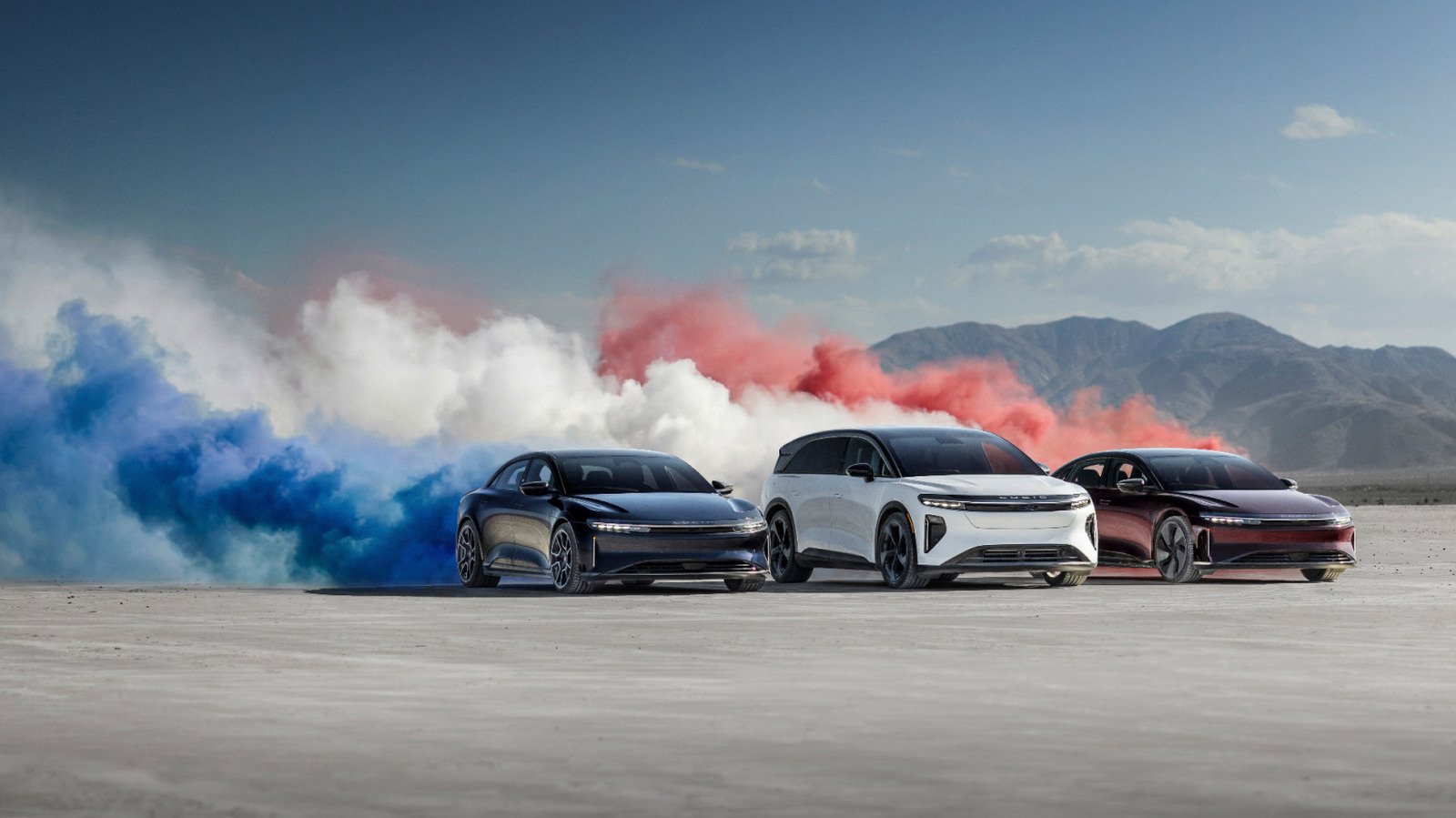
Sudden acceleration events compound the problem. Each hard throttle application draws peak current from the pack, generating heat that further reduces efficiency. Consequently, smooth driving habits pay dividends. The Lucid Air and Chevrolet Silverado EV can exceed 400 miles under ideal conditions, but those numbers plummet when drivers treat on-ramps like drag strips. Planning routes with fewer high-speed segments helps preserve charge for when you truly need it.
Climate Control and EV Battery Drain
Cabin comfort systems represent the second-largest contributor to EV battery drain. Air conditioning can consume 3-5 miles of range per hour, while resistive heating in winter draws even more — often 5-7 miles per hour. Heat pump-equipped models fare better, cutting heating energy use by roughly 40%. However, many affordable EVs still rely on resistive elements. Pre-conditioning the cabin while plugged in eliminates this penalty entirely. Most modern vehicles support scheduled departure times via smartphone apps, warming or cooling the interior using grid power before you unplug.
Seat and steering wheel heaters offer a more efficient alternative to cabin heating. They warm occupants directly using a fraction of the energy. Meanwhile, the infotainment system, navigation, and USB ports have negligible impact — typically less than 0.5 miles per hour combined. Drivers should prioritize heated seats over blower heat whenever possible.
Weight and Weather Effects on EV Battery Drain
Excess cargo weight increases rolling resistance and inertia, demanding more energy for every acceleration event. Removing unnecessary items from the trunk and roof rack improves efficiency measurably. A 2025 Recurrent study found that temperatures below freezing can slash range by nearly one-third across popular models. Cold electrolyte chemistry slows ion movement, while cabin heating compounds the loss. Conversely, extreme heat above 95°F triggers battery thermal management systems that draw additional power.
Tire pressure plays an underappreciated role. Underinflated tires increase contact patch deformation, raising rolling resistance by 5-10%. Checking pressure monthly — especially during seasonal transitions — costs nothing and returns immediate gains. For road trips, inflate to the manufacturer’s maximum recommended PSI for loaded conditions.
Simple Fixes to Reduce EV Battery Drain
Several practical strategies minimize EV battery drain without sacrificing convenience. First, use eco or efficiency driving modes that limit throttle response and climate output. Second, leverage route planners like A Better Routeplanner or the vehicle’s native navigation to identify optimal charging stops. Third, charge to 80% for daily use and 100% only before long trips — this preserves long-term pack health. Finally, park in shaded or garage spaces during temperature extremes to reduce thermal management loads.
Understanding these factors transforms range anxiety into range confidence. The technology continues improving — 800-volt architectures now add 100 miles in under 10 minutes at compatible chargers — but driver behavior remains the most powerful variable. Small adjustments yield outsized results. For deeper technical analysis, review the Recurrent research library or consult the DOE Alternative Fuels Data Center for comprehensive EV efficiency resources.
EV Battery Drain Market Impact and Industry Significance
The introduction of EV Battery Drain represents a pivotal shift in modern technological adoption across enterprise and consumer sectors alike. Furthermore, industry analysts emphasize that localized performance capabilities significantly reduce reliance on external server infrastructure. Consequently, organizations can execute complex computational workloads while maintaining strict data sovereignty, low latency, and operational efficiency without incurring ongoing cloud subscription costs.
Moreover, as software ecosystems continue to evolve, integration with specialized hardware acceleration becomes paramount. Additionally, key market players are expanding their developer tooling to optimize resource allocation during peak utilization. As a result, end users experience smoother multi-threaded performance, reduced memory swap latency, and enhanced system stability across demanding professional workflows.
Performance Benchmarks and Practical EV Battery Drain Scenarios
In real-world deployment scenarios, evaluating sustained throughput and thermal efficiency is essential for technical decision-makers. Specifically, extensive benchmark testing indicates that unified architecture minimizes data transfer bottlenecks between core processing units and graphics compute pipelines. Therefore, demanding tasks operate with minimal compute overhead.
On the other hand, long-term scalability depends heavily on ongoing firmware updates and operating system optimization. Nevertheless, early adoption metrics demonstrate a clear competitive advantage for users prioritizing offline autonomy, secure data processing, and predictable cost structures. Ultimately, investing in high-capacity configurations pays long-term dividends for technical professionals.