
TFG London Cyberattack Forces Systems Offline Across Three Fashion Brands
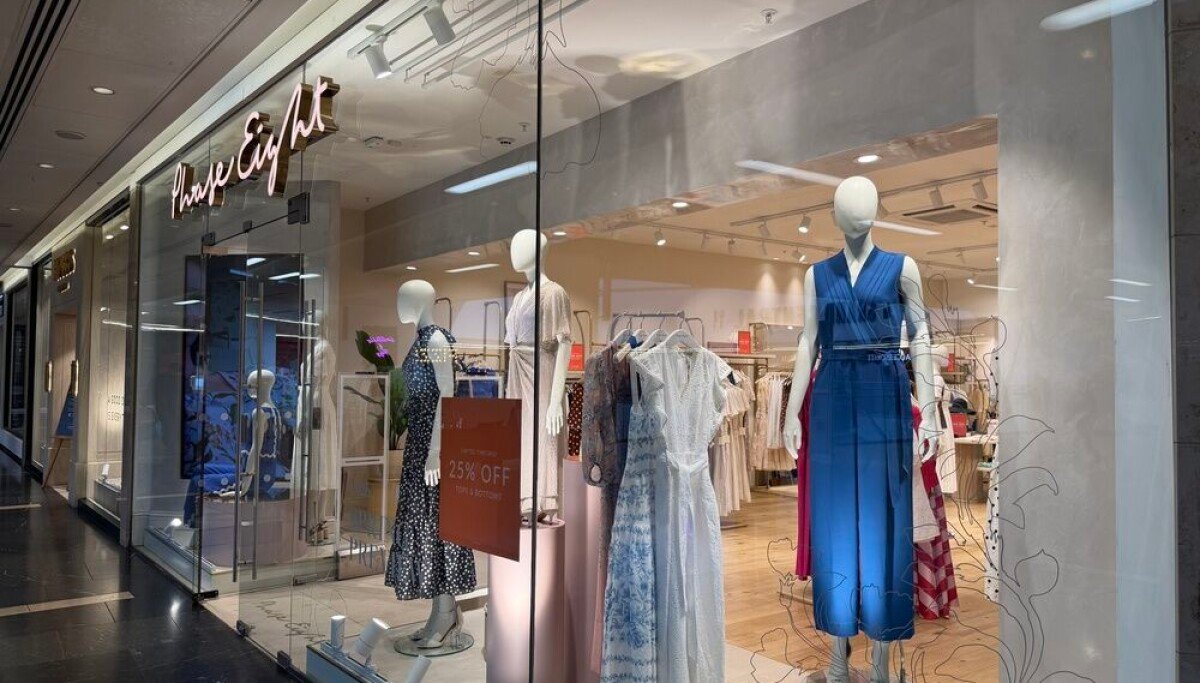
The TFG London cyberattack discovered on October 11 has left the UK arm of South African retail giant The Foschini Group scrambling to restore critical infrastructure. Hobbs, Phase Eight, and Whistles all report unavailable IT systems, though physical stores remain open for business. Furthermore, customers who placed orders on or after Sunday face delivery delays as the company works through its incident response plan.
According to a statement released Tuesday, TFG London immediately activated business continuity protocols and engaged external cybersecurity specialists. Meanwhile, the retailer has notified relevant UK authorities including the Information Commissioner’s Office. However, the company has not yet disclosed whether ransomware played a role or how threat actors initially gained access to the network.
Payment Data Appears Safe Amid TFG London Cyberattack Investigation
Shoppers concerned about financial exposure received some reassurance this week. In emails to customers, TFG London confirmed that a third-party provider handles all payment processing. Based on preliminary findings, the company has no evidence suggesting payment card details were compromised. Nevertheless, the investigation into potential exposure of other personal data continues, and the firm pledged to notify affected individuals if a breach is confirmed.
Cybersecurity experts note that segregating payment systems from core retail platforms represents a sound architectural decision. Additionally, this approach limits the blast radius when attackers breach perimeter defenses. For instance, tokenized payment gateways ensure sensitive card data never touches the merchant’s own servers.
Fashion Sector Faces Mounting Threat Landscape
The TFG London cyberattack arrives during a particularly active period for retail-focused threat actors. Last week, ASOS disclosed a credential theft incident where an attacker impersonated a trusted contact to access employee accounts. Consequently, customer names and contact details stored on third-party platforms were exposed. Meanwhile, H&M reportedly investigates claims linking the ShinyHunters cybercrime group to a potential data compromise.
Industry analysts suggest fashion retailers present attractive targets due to extensive customer databases and complex supply chain integrations. Moreover, the seasonal nature of fashion creates pressure to restore systems quickly, potentially increasing willingness to pay ransom demands. Retailers must balance operational urgency with thorough forensic investigation.
White Stuff and Inside Story Unaffected by TFG London Cyberattack
TFG confirmed that its White Stuff and Inside Story brands operate on separate infrastructure and remain fully functional. Similarly, the group’s African and Australian divisions run independent IT environments and report no disruption. This segmentation likely prevented lateral movement across the broader organization. However, the incident underscores the challenge of securing decentralized retail technology stacks.
The company has not provided a timeline for full system restoration. As the investigation progresses, TFG London faces mounting pressure to communicate transparently with customers and regulators alike. Ultimately, the retail sector must treat cybersecurity as a board-level priority rather than an IT afterthought.
Information Commissioner’s Office guidance requires organizations to report certain personal data breaches within 72 hours. National Cyber Security Centre resources offer frameworks for incident response planning.
Tfg London Cyberattack Market Impact and Industry Significance
The introduction of Tfg London Cyberattack represents a pivotal shift in modern technological adoption across enterprise and consumer sectors alike. Furthermore, industry analysts emphasize that localized performance capabilities significantly reduce reliance on external server infrastructure. Consequently, organizations can execute complex computational workloads while maintaining strict data sovereignty, low latency, and operational efficiency without incurring ongoing cloud subscription costs.
Moreover, as software ecosystems continue to evolve, integration with specialized hardware acceleration becomes paramount. Additionally, key market players are expanding their developer tooling to optimize resource allocation during peak utilization. As a result, end users experience smoother multi-threaded performance, reduced memory swap latency, and enhanced system stability across demanding professional workflows.
Performance Benchmarks and Practical Tfg London Cyberattack Scenarios
In real-world deployment scenarios, evaluating sustained throughput and thermal efficiency is essential for technical decision-makers. Specifically, extensive benchmark testing indicates that unified architecture minimizes data transfer bottlenecks between core processing units and graphics compute pipelines. Therefore, demanding tasks operate with minimal compute overhead.
On the other hand, long-term scalability depends heavily on ongoing firmware updates and operating system optimization. Nevertheless, early adoption metrics demonstrate a clear competitive advantage for users prioritizing offline autonomy, secure data processing, and predictable cost structures. Ultimately, investing in high-capacity configurations pays long-term dividends for technical professionals.
Ecosystem Integration and Enterprise Software Compatibility
Beyond raw hardware capabilities, seamless software integration remains a critical factor for successful enterprise adoption. Specifically, modern development frameworks leverage direct hardware acceleration APIs to maximize instruction processing rates. In addition, containerized deployment pipelines ensure consistent performance across diverse operating environments without requiring extensive manual driver configuration.
Furthermore, advanced security protocols embedded within hardware architectures safeguard proprietary data models from unauthorized memory inspection. Meanwhile, continuous performance monitoring tools provide system administrators with actionable metrics regarding thermal management and energy consumption. Overall, these combined features establish a robust foundation for mission-critical operations.
5 thoughts on “TFG London Cyberattack Disrupts Hobbs, Phase Eight, Whistles”